
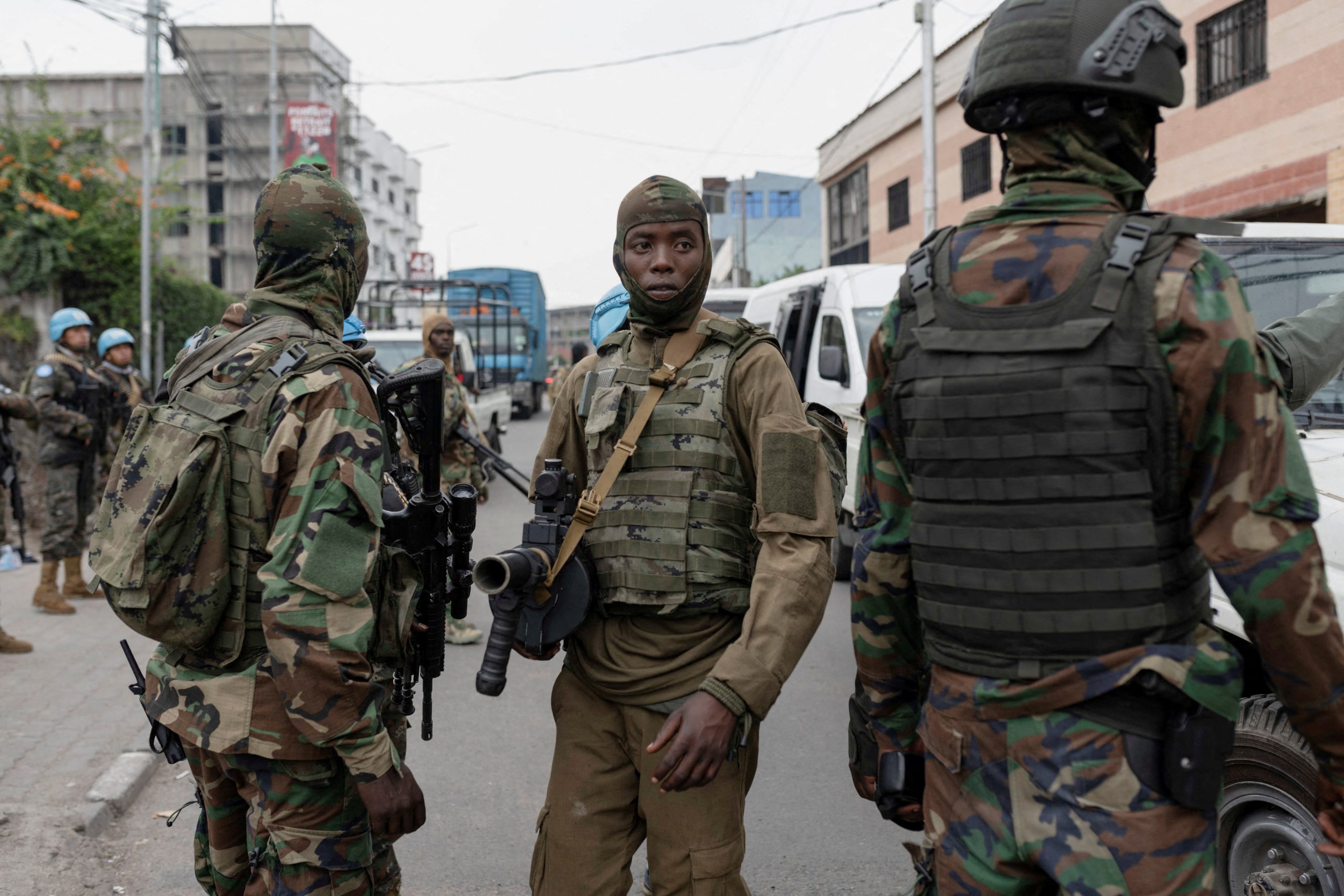
Crime Crackdown efforts are set to escalate in South Africa as the South African National Defence Force (SANDF) prepares to deploy within the next 10 days. Acting Police Minister Firoz Cachalia confirmed in Cape Town that final operational plans have been completed, paving the way for military support in provinces hardest hit by violent crime.
The intervention follows mounting pressure on law enforcement agencies to stabilise communities experiencing persistent criminal activity.
What Happened?
Cachalia announced that planning discussions between senior police and military officials have concluded, clearing the path for troop deployment.
The coordination meeting included:
- Fannie Masemola, National Commissioner of the South African Police Service (SAPS)
- Lawrence Mbatha, Chief of the SA Army
According to the Acting Minister, the meeting focused on finalising logistics, operational zones, command structures, and the integration of SANDF units into ongoing policing efforts.
The crime crackdown strategy will prioritise areas experiencing high levels of violent crime, although specific provinces have yet to be formally named.
Why a Military-Backed Crime Crackdown?
South Africa continues to grapple with serious criminal challenges, including:
- Gang violence
- Armed robberies
- Murder and attempted murder cases
- Illegal firearms circulation
- Organised syndicate activity
Police resources have faced sustained pressure, with some communities reporting ongoing instability despite intensified patrols.
The Constitution permits internal deployment of the SANDF to assist civilian authorities when the security situation requires additional support.
Cachalia stressed that the decision reflects the urgency of the situation and the need for decisive action.
What Officials Said
Speaking in Cape Town, Cachalia confirmed that deployment preparations are on schedule and will begin within 10 days.
“The operational framework has been aligned between SAPS and the army,” he said, underscoring the collaborative nature of the crime crackdown.
National Commissioner Masemola has previously acknowledged that extraordinary measures may be required to stabilise certain high-risk zones.
Lieutenant General Mbatha’s involvement signals direct military oversight at senior command level.
Authorities reiterated that soldiers will support policing functions under strict legal guidelines and defined rules of engagement.
How the Crime Crackdown Will Work
Security experts suggest the SANDF’s role in the crime crackdown could involve:
- High-visibility patrols
- Joint operations with SAPS
- Roadblocks and stop-and-search operations
- Rapid-response backup during raids
- Securing key infrastructure
Military personnel are not expected to take over standard policing duties but will provide operational reinforcement.
Joint command centres are likely to be established to ensure coordination and accountability throughout the deployment period.
Public Reaction and Concerns
The announcement of a military-backed crime crackdown has sparked mixed reactions.
Supporters argue that visible troop presence can:
- Deter violent criminals
- Restore public confidence
- Strengthen overstretched police units
Others caution that reliance on military intervention should remain temporary and carefully monitored.
Civil society groups have called for transparency regarding:
- Duration of deployment
- Oversight mechanisms
- Measurable outcomes
Balancing public safety with civil liberties remains a key concern in discussions surrounding the deployment.
Crime Trends Driving the Decision
Recent crime patterns have highlighted ongoing challenges in several provinces, particularly in urban centres and economically distressed areas.
Police data has pointed to:
- Escalating gang conflicts
- Organised robbery syndicates
- Firearm-related offenses
- Attacks on businesses and transport networks
These factors have intensified calls for stronger enforcement measures.
The crime crackdown signals government recognition that conventional policing alone may not be sufficient in certain contexts.
Political and Policy Implications
The SANDF deployment carries significant political weight.
It reflects:
- Government acknowledgment of severe crime pressures
- A willingness to escalate state intervention
- Increased collaboration between law enforcement and military structures
However, policy analysts note that long-term crime reduction requires structural reforms, including:
- Improved intelligence gathering
- Expanded detective capacity
- Stronger community policing initiatives
- Economic development in vulnerable communities
Short-term deployments can stabilise hotspots but may not resolve underlying causes.
Operational Timeline
Over the next 10 days, authorities will finalise:
- Troop mobilisation
- Equipment allocation
- Joint training sessions
- Legal authorisation procedures
Deployment could begin immediately after logistical preparations conclude.
Officials have not disclosed how long troops will remain in affected provinces, but similar past deployments have been reviewed periodically.
Further announcements are expected once operational details are confirmed.
Impact on Communities
For residents living in high-crime zones, the crime crackdown may offer renewed hope.
Community leaders have expressed cautious optimism, stating that any effort to curb violence is welcome.
However, expectations are high. Citizens will likely judge the operation based on measurable improvements in safety and visible reductions in criminal activity.
Public cooperation with authorities may also play a critical role in the deployment’s success.
What Happens Next?
Once troops are deployed, attention will shift to monitoring outcomes.
Authorities will likely track:
- Crime rate fluctuations
- Arrest numbers
- Community feedback
- Operational efficiency
The success of the crime crackdown will depend not only on visible enforcement but also on sustained follow-up measures.
Government leaders may face pressure to present clear evidence of impact.
Conclusion
The crime crackdown announced by Acting Police Minister Firoz Cachalia marks a significant step in South Africa’s battle against violent crime.
With SANDF deployment scheduled to begin within 10 days, security forces are preparing for intensified operations in high-risk provinces.
While the move has generated both support and concern, it underscores the seriousness of the country’s crime challenges.
As soldiers prepare to join SAPS in stabilising affected areas, communities across South Africa will be watching closely — hopeful that this decisive intervention will bring measurable improvements in safety and restore confidence in law enforcement.