
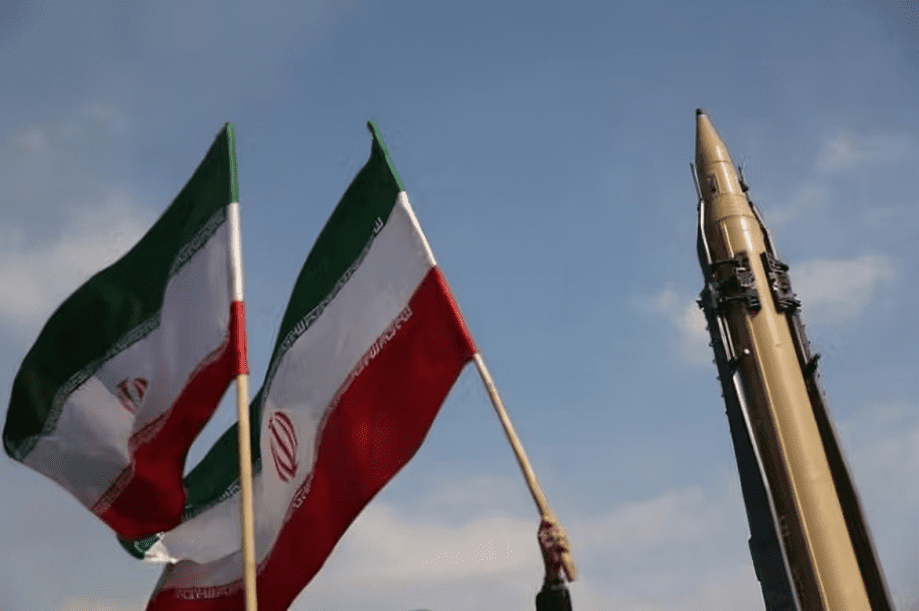
Nuclear Talks between Iran and the United States are showing potential progress as Tehran reportedly signals willingness to make concessions on its nuclear programme. The discussions, aimed at preventing a US military strike, have focused on Iran’s right to enrich uranium and the lifting of economic sanctions, according to multiple diplomatic sources. Officials indicate that while differences remain, the negotiations may provide a pathway to reduce escalating tensions in the Middle East.
What Happened?
Iran has publicly indicated that it is prepared to engage in meaningful compromise with the United States to prevent military conflict. Reports suggest that Tehran may:
- Limit certain uranium enrichment activities
- Allow more extensive International Atomic Energy Agency (IAEA) inspections
- Explore regional nuclear cooperation frameworks
- Accept partial sanctions relief in exchange for verifiable commitments
The statements come as a new round of nuclear talks is scheduled to take place in Geneva, facilitated by Oman, signaling that diplomacy is being prioritized over confrontation.
Iran’s Stance on Concessions
Iranian officials stress that concessions do not mean abandoning the country’s sovereign nuclear rights. Core aspects of Iran’s position include:
- Maintaining a right to peaceful nuclear enrichment
- Ensuring gradual lifting of US sanctions to support the domestic economy
- Providing guarantees on transparency and monitoring for international observers
According to analysts, these offers are aimed at balancing domestic political pressures with international expectations while minimizing the risk of military escalation.
The US Perspective
The United States has cautiously welcomed the dialogue but remains firm on key security and verification measures. Washington’s priorities include:
- Ensuring limits on high-enriched uranium stockpiles
- Securing strict oversight mechanisms
- Coordinating regional security assurances with allies
US officials have also stressed that any failure to meet verification criteria could revive military contingencies, highlighting the delicate balance between diplomacy and defense readiness.
Regional Implications
Although the discussions focus on Iran and the US, the implications extend globally:
- Oil markets are closely watching potential agreements for their impact on supply stability
- Middle Eastern nations monitor Iran’s nuclear stance, assessing regional security risks
- Neighboring countries, including South Africa’s policymakers and media, track developments as part of international diplomacy awareness
Analysts argue that success in these nuclear talks could reduce regional tensions and avoid escalation that would impact international trade and security.
Possible Outcomes of the Talks
Several scenarios may emerge from the ongoing nuclear negotiations:
- Incremental Agreement: Iran could agree to stepwise concessions with phased sanctions relief.
- Comprehensive Deal: A full framework recognizing enrichment rights while ensuring strict monitoring.
- Stalemate: If disagreements persist, the risk of targeted military action remains.
Officials note that each scenario carries significant implications for regional stability, US foreign policy, and Iran’s economic trajectory.
Economic and Political Context
The ongoing sanctions have heavily impacted Iran’s economy, affecting:
- Oil exports
- Banking and finance
- Domestic investment opportunities
Economic pressures, combined with internal political dynamics, are pushing Iran toward negotiating in good faith. At the same time, the US faces domestic scrutiny over military preparedness, emphasizing that both sides have strong incentives to reach an agreement.
Global Diplomatic Reactions
International organizations and countries, including the UN and European powers, have welcomed continued talks, highlighting the importance of:
- Avoiding military escalation
- Preserving the global non-proliferation framework
- Strengthening multilateral diplomacy
Experts note that Iran’s willingness to discuss concessions, if genuine, could pave the way for renewed international cooperation on nuclear security.
Public and Political Pressure
Inside Iran, public sentiment and internal political factions exert significant influence on the negotiating stance:
- Hardliners remain wary of concessions that could be seen as capitulation
- Moderate voices push for economic relief and reduced international isolation
- Civil society and business groups advocate for stability to support economic recovery
Balancing these internal pressures is critical for Iran to maintain credibility while negotiating with the United States.
Next Steps in the Nuclear Talks
The upcoming Geneva meeting, scheduled later this week, is expected to:
- Clarify the extent of Iran’s concessions
- Define the timeline and conditions for sanctions relief
- Establish monitoring and verification protocols
Diplomats emphasize that continued engagement is vital, as missteps or miscommunications could escalate tensions quickly.
Challenges and Risks
Despite positive signals, challenges remain:
- Disagreements over sequencing of concessions and sanctions relief
- Concerns over Iran’s regional missile programme
- Possibility of domestic political backlash in both countries
Successful negotiation will require careful diplomacy, trust-building measures, and transparent communication to avoid misinterpretation.
Why It Matters for South Africa
South Africa, like other nations, monitors global nuclear developments due to:
- Implications for international security frameworks
- Impact on energy markets and commodity prices
- Precedent for nuclear diplomacy applicable in Africa and beyond
Understanding these negotiations helps South African policymakers anticipate shifts in global policy and regional stability.
Conclusion
Nuclear Talks between Iran and the US are advancing cautiously, with Tehran signaling readiness to offer concessions on its nuclear programme. The focus remains on preventing a US military strike, lifting sanctions, and recognizing Iran’s right to enrich uranium for peaceful purposes. While differences remain, diplomacy continues to provide a potential pathway to reduce tensions, secure international oversight, and avoid conflict.
The coming weeks will be critical in shaping the next phase of these high-stakes negotiations.