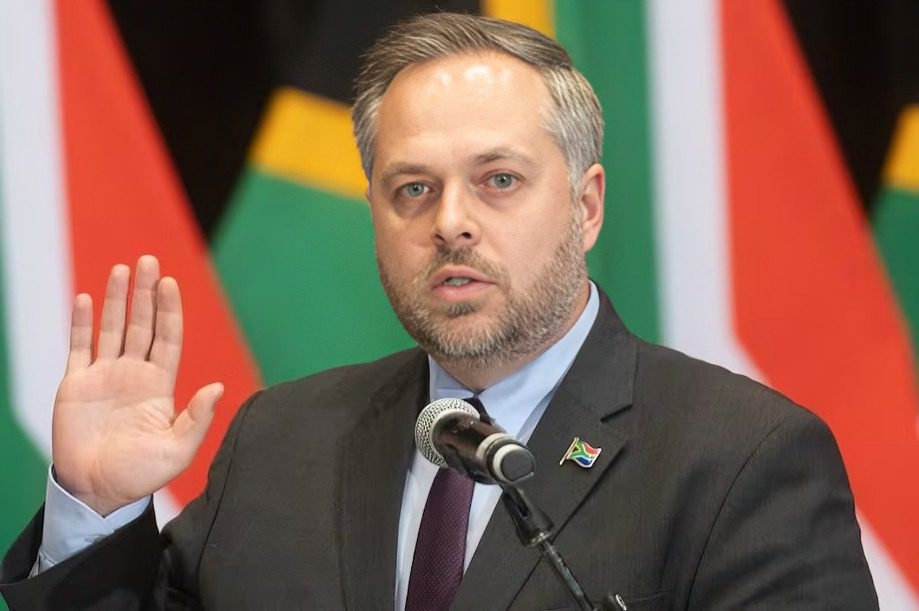
Home Affairs Minister Leon Schreiber confirmed that more than 2,000 visas are under review for possible revocation. The decision follows an investigation by the Special Investigating Unit (SIU), which uncovered recurring schemes involving falsified documents, irregular work permits, and organized facilitation networks enabling unauthorized entry into South Africa.
The development signals a significant escalation in government efforts to restore integrity within the country’s immigration system.
What Happened?
The Department of Home Affairs announced it is examining internal procedures that allowed over 2,000 visas and permits to be issued under questionable circumstances.
Minister Schreiber said the Visa Fraud findings point to systemic weaknesses that may have been exploited repeatedly over time. Authorities are now reviewing individual cases to determine whether the permits should be legally revoked.
The review process could affect work visas, business permits, and other immigration categories.
Inside the SIU Investigation
The SIU investigation reportedly focused on patterns rather than isolated incidents.
According to officials, investigators found evidence of:
- Forged supporting documentation
- Fraudulent employment confirmations
- Manipulated digital records
- Third-party intermediaries facilitating approvals
The findings suggest organized networks may have operated to bypass legal immigration checks.
The SIU has submitted recommendations aimed at tightening oversight and preventing recurrence.
How the Visa Fraud Schemes Worked
While investigations remain ongoing, early indications suggest that some schemes involved coordinated efforts between applicants and facilitators.
Common tactics reportedly included:
- Submitting falsified qualifications
- Presenting fabricated job offers
- Altering application data within internal systems
- Exploiting administrative loopholes
In some cases, facilitators allegedly charged substantial fees to secure approvals.
Authorities are investigating whether any officials were complicit or whether oversight gaps were exploited externally.
What Revocation Means for Visa Holders
If confirmed as fraudulent, affected visas may be:
- Officially cancelled
- Declared invalid retroactively
- Subject to deportation proceedings
- Added to immigration watchlists
However, immigration law requires due process. Individuals must be notified and given the opportunity to respond before final decisions are implemented.
Legal experts emphasize that each case must be assessed independently.
Government’s Response
Minister Schreiber described the Visa Fraud revelations as a serious breach of administrative trust.
He stated that strengthening internal controls is a top priority and that new verification systems are under consideration.
Among the measures being discussed:
- Enhanced biometric verification
- Automated document cross-checking
- Independent compliance monitoring
- Internal disciplinary proceedings
The Minister stressed that restoring system credibility is essential to maintaining lawful migration.
Immigration and National Security
Visa Fraud does not only raise administrative concerns — it also touches on national security.
Immigration systems are central to regulating entry, protecting labor markets, and ensuring public safety.
Weak oversight can create vulnerabilities that may be exploited by criminal networks.
Authorities argue that stricter enforcement will reinforce South Africa’s border integrity.
Economic and Diplomatic Implications
South Africa’s visa regime plays a critical role in attracting skilled workers, investors, and tourists.
Revelations of Visa Fraud could impact:
- Investor confidence
- Diplomatic relations
- International mobility agreements
- Business permit credibility
Government officials have reassured stakeholders that the crackdown targets illegal practices, not legitimate migrants.
Maintaining a balance between enforcement and openness will be essential.
Public Reaction
The announcement has triggered strong public debate.
Some South Africans have welcomed the action, viewing it as necessary to combat corruption and protect local employment opportunities.
Others caution against blanket measures that could unfairly affect lawful visa holders.
Civil society groups have called for transparency in how the review process unfolds.
Structural Weaknesses Identified
The SIU findings point to broader structural vulnerabilities in visa processing.
These reportedly include:
- Heavy reliance on manual verification
- Limited digital integration across departments
- Inadequate audit trails
- Insufficient real-time oversight
Addressing these weaknesses may require long-term modernization investments.
Reform Agenda Moving Forward
In response to the Visa Fraud probe, the Department of Home Affairs is considering reforms such as:
- Fully digitized application platforms
- Real-time inter-agency data sharing
- Risk-based screening models
- Stronger anti-corruption compliance units
Modernization efforts could reduce human discretion and minimize opportunities for manipulation.
Legal and Administrative Challenges
Revoking 2,000 visas is not a simple administrative task.
Authorities must:
- Verify evidence
- Ensure procedural fairness
- Manage appeals
- Coordinate with law enforcement
The process may unfold over several months.
Officials have indicated that transparency updates will be provided as the review progresses.
Broader Anti-Corruption Context
The Visa Fraud investigation aligns with broader anti-corruption initiatives within South Africa’s public institutions.
Over recent years, government agencies have faced increasing pressure to strengthen governance and accountability.
Immigration integrity is seen as a key component of broader institutional reform.
What Happens Next?
The Department of Home Affairs is expected to issue formal notifications to affected visa holders.
Further SIU findings may also be made public.
If criminal conduct is confirmed, prosecutions could follow.
Authorities say their goal is not only to revoke fraudulent permits but also to prevent future abuse.
Conclusion
The Visa Fraud investigation involving more than 2,000 permits marks a turning point for South Africa’s immigration governance. Minister Leon Schreiber’s confirmation of possible revocations underscores the seriousness of the findings uncovered by the SIU.
While due process protections remain critical, the crackdown reflects a firm stance against document fraud and systemic manipulation.
The coming months will determine how effectively reforms are implemented — and whether they succeed in restoring public confidence in South Africa’s visa system.