
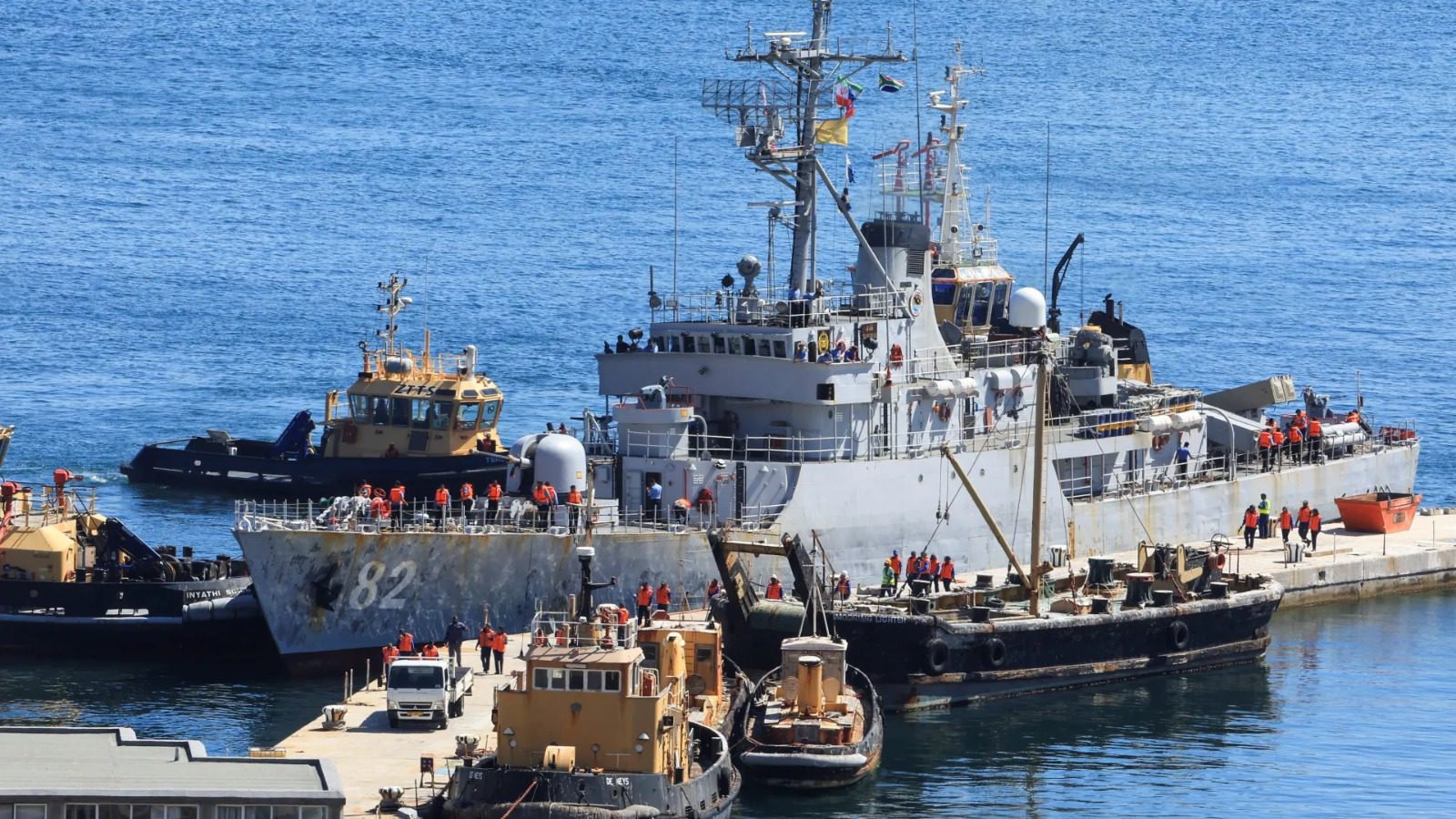
Cape Town, South Africa – Updated January 28, 2026 — Recent naval drills conducted by South Africa in cooperation with Iran off its coastline have sparked renewed criticism from the United States. The exercises, which included joint maritime maneuvers and coordinated naval operations, have drawn international attention and raised questions about South Africa’s foreign policy alignment and strategic priorities.
Officials in Pretoria maintain that the drills are part of routine naval readiness exercises aimed at improving maritime security. However, U.S. authorities have expressed concerns over the cooperation, highlighting longstanding tensions surrounding Iran’s regional influence and nuclear program.
What Happened During the Naval Drills?
The naval exercises involved multiple South African and Iranian vessels engaging in:
- Joint navigational exercises
- Maritime security operations
- Simulated anti-piracy and defense maneuvers
The drills were announced weeks in advance and reportedly included South Africa’s frigates and patrol boats, alongside Iranian corvettes. Naval experts describe these as standard procedures in maritime cooperation but note the unusual geopolitical implications given the U.S.’s longstanding scrutiny of Iran.
Why the U.S. Is Criticizing South Africa
The United States has a history of discouraging international military cooperation with Iran due to:
- Nuclear program concerns
- Regional proxy conflicts
- Sanctions against Iran’s military apparatus
U.S. State Department officials indicated that South Africa’s engagement with Iran “raises questions about its alignment with international security norms” and emphasized potential consequences for diplomatic relations.
South Africa’s Perspective
South African officials insist the drills are strictly defensive and intended to:
- Enhance naval operational capabilities
- Improve coordination for anti-piracy measures in the Indian Ocean
- Maintain South Africa’s strategic independence in foreign affairs
A defense spokesperson stated:
“South Africa conducts naval exercises with multiple partners. Our engagement with Iran is no different from exercises with other international navies and does not signify political alignment.”
Impact on Diplomatic Relations
The naval exercises have strained South Africa-U.S. relations, highlighting:
- Potential diplomatic friction in multilateral forums
- Reassessment of military cooperation agreements
- Heightened attention from international observers monitoring Iran-related activities
Analysts suggest that while the exercises are legal under international law, the political optics are sensitive, particularly amid ongoing U.S.-Iran tensions.
Regional and Strategic Implications
The Indian Ocean remains a strategic corridor for trade and security. Experts note that the drills:
- Demonstrate South Africa’s growing naval capability
- Position Pretoria as a regional actor able to engage multiple partners
- May influence regional perceptions of South Africa’s foreign policy independence
Some African analysts suggest that such exercises could encourage other nations to pursue similar non-aligned defense initiatives, potentially reshaping maritime cooperation in the region.
Reactions From Political Circles
South Africa’s opposition parties have issued mixed reactions:
- Some welcomed the drills as a demonstration of military competence and sovereign decision-making
- Others criticized the timing, warning that cooperation with Iran could invite diplomatic and economic repercussions from Western allies
Foreign policy experts argue that careful communication is critical to ensure that routine exercises are not misinterpreted as political endorsement of Iran.
Public and Media Reaction
Social media and news commentary in South Africa have reflected concern and curiosity:
- Many citizens view the drills as a sign of national pride and military strength
- Others question potential diplomatic consequences, particularly in relation to the U.S., South Africa’s key trade and security partner
The coverage underscores the delicate balance Pretoria must maintain between asserting strategic independence and preserving key international relationships.
Historical Context of South Africa-Iran Naval Cooperation
South Africa and Iran have engaged in limited maritime cooperation in the past, mostly focused on:
- Training and logistical support
- Anti-piracy patrols
- Humanitarian and search-and-rescue operations
However, these exercises have never drawn such direct U.S. criticism, highlighting the evolving geopolitical context and Iran’s sensitive international standing.
What Happens Next?
Authorities are expected to:
- Conduct follow-up diplomatic consultations with the U.S.
- Clarify the scope and intent of the naval exercises in international statements
- Continue routine training operations while managing optics with strategic partners
Experts emphasize the importance of clear messaging to avoid escalation of tensions.
Potential Long-Term Consequences
If the U.S. response escalates, South Africa could face:
- Increased scrutiny in international forums
- Potential pressure in bilateral trade or defense agreements
- Calls for alignment with Western security frameworks
However, proponents argue that South Africa’s ability to maintain strategic autonomy is vital for its credibility as a non-aligned nation in global geopolitics.
Conclusion
The recent naval drills with Iran have placed South Africa at the center of renewed diplomatic debate. While the exercises are framed as standard maritime operations, the geopolitical context has drawn significant international attention, particularly from the United States.
South Africa’s response and subsequent diplomatic engagement will likely influence its international reputation, relationships with major powers, and broader strategic positioning in the Indian Ocean region.
For now, the drills serve as both a test of naval capability and a reminder of the delicate balance required in modern global diplomacy.