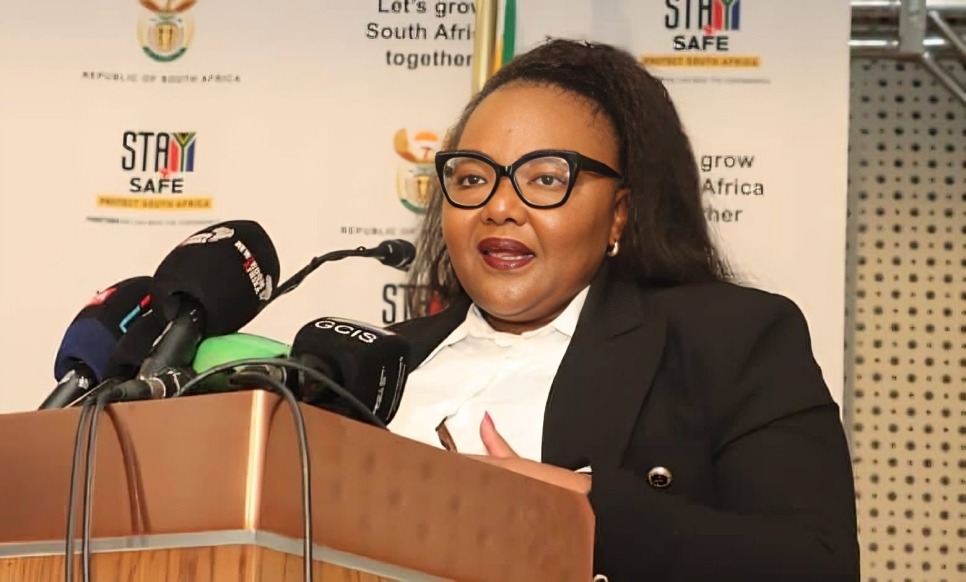
A growing hiring scandal in South Africa’s Department of Basic Education has placed the spotlight on alleged political interference in public sector recruitment. A whistleblower dossier has revealed what appears to be a coordinated system favoring politically connected individuals, prompting Basic Education Minister Siviwe Gwarube to call for an urgent probe by the Special Investigating Unit (SIU).
The claims suggest that a network tied to the African National Congress (ANC) may have influenced hiring decisions, raising serious concerns about transparency, fairness, and institutional integrity.
What the Whistleblower Revealed
At the center of the hiring scandal is a detailed dossier compiled by a whistleblower, reportedly containing:
- Internal communications pointing to coordinated hiring decisions
- Lists of candidates allegedly linked to political structures
- Evidence suggesting recruitment processes were manipulated
The whistleblower’s report describes a system where loyalty to political networks may have outweighed qualifications and experience. While the full contents have not been made public, officials have acknowledged that the allegations are substantial enough to warrant a formal investigation.
This revelation has added urgency to calls for accountability within the department.
Why This Hiring Scandal Matters
The implications of the hiring scandal extend beyond a single department. Public sector employment in South Africa is governed by principles of fairness, equality, and merit.
If these allegations are confirmed, the consequences could include:
- Undermining equal opportunity: Qualified candidates may have been excluded from positions
- Damaging institutional credibility: Public trust in government hiring processes could decline
- Impacting service delivery: Inefficient or unqualified appointments may affect education outcomes
Given the importance of the education sector, any compromise in hiring practices could have long-term national consequences.
Minister Gwarube’s Response
Minister Siviwe Gwarube responded swiftly after the whistleblower dossier came to light.
Her actions include:
- Requesting a full investigation by the SIU
- Introducing restrictions on undisclosed political meetings involving officials
- Reinforcing compliance with hiring regulations
Gwarube has emphasized that public service must be guided by merit and accountability, not political affiliation.
Her intervention signals a strong stance against corruption and misuse of authority within the department.
The Role of the SIU Investigation
The Special Investigating Unit is now expected to take the lead in uncovering the truth behind the hiring scandal.
The investigation will likely focus on:
- Recruitment records and appointment procedures
- Communication between officials and external political actors
- Financial implications of potentially irregular appointments
If wrongdoing is identified, the SIU can recommend:
- Disciplinary action against officials
- Criminal prosecution
- Recovery of misused public funds
The probe is expected to be comprehensive, given the seriousness of the allegations.
Political and Institutional Reactions
The hiring scandal has sparked strong reactions across South Africa’s political landscape.
Opposition Parties
Opposition leaders have called for:
- Immediate suspension of implicated individuals
- Greater parliamentary oversight
- Broader investigations into political influence in public institutions
Civil Society
Advocacy groups have stressed the importance of protecting whistleblowers and ensuring transparency.
Education Stakeholders
Teachers and administrators have expressed concern that compromised hiring could affect the overall quality of education delivery.
The Whistleblower Factor
Whistleblowers play a crucial role in exposing corruption, particularly in complex systems where misconduct may otherwise remain hidden.
In this case, the whistleblower’s actions have:
- Triggered a national conversation about governance
- Forced institutional accountability
- Highlighted potential systemic weaknesses
However, whistleblowers often face risks, including retaliation and professional consequences. Their protection remains a key issue in ensuring that corruption can be safely reported.
Broader Concerns About Political Influence
The hiring scandal has reignited debates about political influence in South Africa’s public sector.
Critics argue that:
- Political networks may exert undue influence over appointments
- Oversight mechanisms need strengthening
- Transparency in recruitment processes must be improved
Supporters of reform believe that the current situation presents an opportunity to implement meaningful changes, including stricter monitoring and clearer separation between political and administrative roles.
What Happens Next?
The investigation into the hiring scandal is expected to unfold in multiple phases:
Initial Review
Assessment of the whistleblower dossier and supporting evidence
Detailed Investigation
Analysis of hiring processes, documentation, and communications
Findings and Recommendations
Submission of a report outlining conclusions and proposed actions
Implementation
Possible disciplinary measures, prosecutions, or policy reforms
The timeline for the investigation remains uncertain, but updates are expected as the process progresses.
Impact on Public Trust
One of the most significant consequences of the hiring scandal is its impact on public trust.
Citizens expect government institutions to operate fairly and transparently. Allegations of politically motivated hiring can:
- Reduce confidence in public administration
- Discourage qualified individuals from applying for government roles
- Create perceptions of systemic inequality
Restoring trust will require not only a thorough investigation but also visible action based on its findings.
A Turning Point for Accountability?
The hiring scandal could represent a turning point in how South Africa addresses allegations of corruption and political interference.
Key questions moving forward include:
- Will the investigation lead to concrete consequences?
- Can reforms prevent similar issues in the future?
- Will whistleblowers continue to come forward with information?
Minister Gwarube’s decision to involve the SIU suggests a commitment to accountability, but the effectiveness of this response will ultimately depend on the outcomes of the investigation.
Conclusion
The hiring scandal unfolding within South Africa’s Department of Basic Education has exposed serious allegations of political interference and potential corruption. With Siviwe Gwarube calling on the Special Investigating Unit to investigate, the case has become a major test of governance and transparency.
As the probe continues, the focus will remain on whether the system can address these allegations effectively and ensure that public sector hiring is guided by fairness, merit, and accountability.