
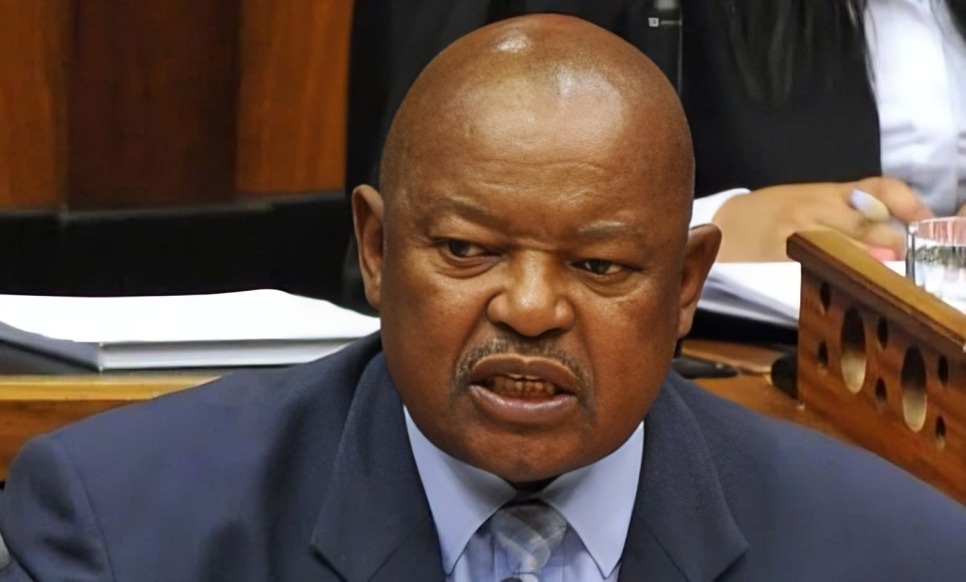
The death of veteran COPE Leader Mosiuoa ‘Terror’ Lekota has prompted a nationwide tribute in South Africa, with the presidency announcing that flags will be flown at half-mast ahead of his funeral scheduled for next Saturday in Bloemfontein.
The national gesture of respect reflects the legacy of a political figure who spent decades in public life, first as a prominent anti-apartheid activist and later as a government minister and opposition leader.
Officials confirmed that the lowering of flags will begin Saturday and continue until the evening of the funeral ceremony, marking a period of national mourning.
National Tribute for a Veteran Political Leader
The presidency said the decision to lower flags across government buildings and public institutions recognizes the important role played by the late COPE Leader in shaping South Africa’s modern political landscape.
President Cyril Ramaphosa described Lekota as a committed patriot who contributed significantly to the struggle against apartheid and later to the strengthening of democratic governance.
The tribute also reflects the broader recognition of leaders who helped guide South Africa through its historic transition from apartheid rule to a democratic state in the 1990s.
For many South Africans, the moment is not only about mourning an individual but also about remembering a generation of political activists who dedicated their lives to the country’s liberation and development.
Early Activism and the Anti-Apartheid Struggle
Long before becoming a national political figure, Mosiuoa ‘Terror’ Lekota was known for his activism during the apartheid era.
He became involved in political movements opposing the apartheid system, which enforced racial segregation and discrimination across South Africa.
His activism eventually led to his imprisonment on Robben Island, the notorious prison where many prominent anti-apartheid leaders were detained.
Robben Island became a symbol of resistance against apartheid and housed several figures who later played central roles in South Africa’s democratic transition.
Lekota’s years in prison strengthened his reputation as a committed freedom fighter and deepened his involvement in political leadership.
Rise in Democratic Government
After the end of apartheid and the country’s first democratic elections in 1994, Lekota entered the national political arena.
He served in several important positions within the African National Congress, which led the country following the democratic transition.
One of his early leadership roles was as Premier of the Free State province, where he focused on regional development and governance.
Later, he joined the national cabinet as Minister of Defence under former president Thabo Mbeki.
During his tenure as defence minister, Lekota played a role in reshaping South Africa’s defence policies in the years following the end of apartheid, when the country was redefining its military structure and international partnerships.
His leadership during this period helped establish the country’s modern defence framework.
Formation of the Congress of the People
Despite his long association with the ANC, Lekota’s political journey later took a different direction.
In 2008, he became one of the founding figures of the Congress of the People after internal disagreements within the ANC leadership.
The new political party emerged as an alternative voice in South African politics and gained significant national attention during its early years.
As a senior COPE Leader, Lekota helped shape the party’s message around constitutional governance, political accountability, and democratic reform.
Although the party later experienced internal divisions and declining electoral influence, Lekota remained committed to promoting democratic debate and political transparency.
Reaction From Political Leaders
Following the announcement of his death, tributes poured in from leaders across the political spectrum.
President Cyril Ramaphosa praised Lekota’s lifelong commitment to public service and acknowledged his role in South Africa’s liberation movement.
In a statement from the presidency, Ramaphosa said the upcoming funeral would provide the nation with an opportunity to honor a leader whose contributions spanned decades of political change.
Political analysts say the reaction reflects the respect Lekota commanded even among those who disagreed with him politically.
Several opposition figures also acknowledged his courage in standing by his beliefs, particularly during moments of political disagreement within the ruling party.
Why Flags Are Being Lowered Nationwide
Flying flags at half-mast is one of the most visible symbols of national mourning.
Governments often use the gesture to honor individuals whose contributions have had a significant impact on national history.
In this case, the tribute reflects Lekota’s long record of political leadership and his role in shaping debates about governance and democracy.
The directive applies to government buildings and official institutions across South Africa until the conclusion of the funeral ceremony.
For many citizens, the lowered flags will serve as a reminder of the country’s political history and the individuals who helped shape it.
Preparations for the Funeral in Bloemfontein
Authorities in Bloemfontein are preparing for the funeral ceremony expected to take place next weekend.
The city, located in the Free State province, holds historical significance for Lekota’s political career.
Officials expect the event to draw national political leaders, former colleagues, and members of the public who wish to pay their respects.
Security and logistical arrangements are already underway to ensure the ceremony proceeds smoothly.
Community organizations and civic groups are also planning memorial gatherings to celebrate the life of the late COPE Leader.
Public Reflection Across South Africa
News of Lekota’s death has sparked widespread reflection among citizens, political commentators, and historians.
Many South Africans remember his speeches and public appearances during critical periods of the country’s political evolution.
Others recall his willingness to challenge authority when he believed democratic values were being undermined.
Social media platforms have also been filled with tributes highlighting his role in the anti-apartheid struggle and his continued engagement in public debate throughout his career.
For younger generations, the moment provides an opportunity to learn about the leaders who shaped the country’s path toward democracy.
What Happens Next
The funeral of Mosiuoa ‘Terror’ Lekota will take place next Saturday in Bloemfontein.
Flags will remain at half-mast across South Africa until the evening of the ceremony, marking the official period of mourning.
Government officials say the event will include national tributes and ceremonial elements reflecting the importance of Lekota’s contributions.
Political leaders, family members, and supporters are expected to attend the ceremony as the country bids farewell to one of its veteran political figures.
Conclusion
The passing of Mosiuoa ‘Terror’ Lekota marks the end of an era for many South Africans who witnessed the country’s transformation from apartheid to democracy.
As a respected COPE Leader, former cabinet minister, and anti-apartheid activist, Lekota played a significant role in shaping the nation’s political history.
The decision to lower flags across the country ahead of his funeral reflects the enduring impact of his work and the respect he earned throughout decades of public service.
When mourners gather in Bloemfontein next week, they will not only say goodbye to a political leader but also reflect on the legacy of a generation that helped build modern South Africa.