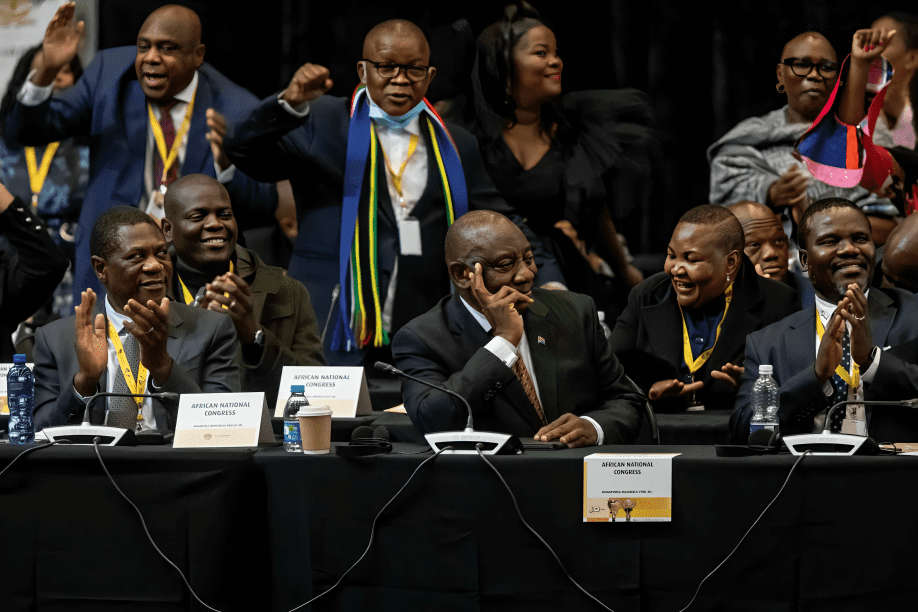
In Gauteng, leaders of the Inkatha Freedom Party (IFP) and National Freedom Party (NFP) convened emergency meetings to address a growing IFP NFP dispute within the coalition government.
The discussions follow a series of disagreements over power-sharing arrangements, portfolio assignments, and decision-making authority within the Gauteng Provincial Legislature (GPU). Analysts warn that failure to reach a consensus could disrupt provincial governance and undermine political stability in the province.
Background of the Dispute
The IFP NFP coalition has faced ongoing tensions since the formation of the provincial government. Differences over committee leadership, legislative priorities, and budget allocations have increasingly strained relations.
The recent crisis escalated after the parties could not agree on appointments to key portfolios, leading to uncertainty in administrative decision-making. Observers note that this could have direct consequences on service delivery, infrastructure projects, and public programs.
The emergency talks are viewed as a strategic move to stabilize the coalition before the dispute deepens.
Official Statements
A spokesperson for the Inkatha Freedom Party said:
“We are committed to working with the NFP to maintain governance stability. These talks are meant to address disputes constructively.”
Similarly, the National Freedom Party stated:
“Political stability in Gauteng is a priority. Our discussions with IFP leaders are focused on reaching a lasting solution.”
Provincial government representatives confirmed that the talks are being mediated and aim to ensure that legislative functions continue uninterrupted.
Political Stability Concerns
Experts argue that unresolved IFP NFP disputes could impact political stability in Gauteng. Delays in decision-making and stalled legislative processes may disrupt public service delivery and erode citizen trust in provincial governance.
Dr. Sipho Mkhize commented:
“Political instability in a coalition government can have real-world consequences. Governance delays affect everything from health services to infrastructure development.”
The ongoing negotiations are crucial to avoid prolonged political uncertainty and maintain public confidence in the provincial administration.
Social Media and Public Reaction
The IFP NFP dispute has drawn attention on social media. Residents and political commentators are closely watching the talks:
- Twitter discussions highlight concerns over administrative delays and accountability.
- Facebook groups emphasize transparency and fairness in portfolio allocation.
- Citizens express hope that the parties will prioritize political stability over internal disputes.
Many observers stress that visible cooperation between the IFP and NFP is essential to reassure the public of a functioning coalition.
Historical Context
Coalition governments in South Africa have often faced challenges in balancing competing interests. In Gauteng, prior alliances have experienced similar disputes over leadership roles, committee assignments, and policy priorities.
Political analysts suggest that the IFP NFP talks reflect the broader challenges of coalition politics, where compromise and negotiation are essential to sustain functional governance. Past experiences indicate that timely intervention and mediation are critical to prevent long-term instability.
Potential Consequences
If the IFP NFP dispute is not resolved, the province could face:
- Delays in implementing provincial budgets and policies
- Reduced efficiency in public service delivery
- Increased political tensions and public dissatisfaction
- Weakening of the coalition’s credibility ahead of upcoming elections
Conversely, a successful resolution could enhance the parties’ reputations as reliable governance partners and strengthen their positions in future electoral contests.
What Happens Next?
Following the emergency meetings, both parties agreed to continue negotiations with mediation support. Steps being considered include:
- Establishing a neutral mediation committee
- Revising coalition agreements for clarity on roles and responsibilities
- Setting deadlines for resolving disputes
- Ensuring uninterrupted legislative operations during talks
Observers note that these measures could restore stability and public confidence in the coalition government.
Expert Opinions
Political analysts stress that coalition governments require strong mechanisms to manage disputes:
“Coalitions are inherently fragile. Effective communication and conflict resolution processes are vital for governance stability,” said Prof. Thandiwe Nkosi.
Experts also highlight that maintaining public trust is as important as internal negotiations, especially when service delivery and governance are at stake.
Broader Implications
The IFP NFP talks are being closely monitored by national authorities, media, and civil society organizations. The outcome may have broader implications for coalition politics in South Africa, signaling whether multiparty governance can function effectively under pressure.
Key lessons from this crisis include:
- The importance of early intervention in coalition disputes
- Transparent and fair negotiation processes
- Clear allocation of portfolios and decision-making authority
- Engaging public communication to maintain confidence in governance
Conclusion
The emergency IFP NFP talks in Gauteng represent a critical attempt to stabilize the coalition and prevent disruption to provincial governance.
While tensions remain, these discussions demonstrate a commitment to political cooperation, compromise, and constructive negotiation. Successful resolution of the dispute will ensure that governance continues uninterrupted and that public confidence in the coalition is maintained.
The coming days are pivotal, as the parties work to navigate internal conflicts, maintain political stability, and deliver effective governance to the residents of Gauteng.