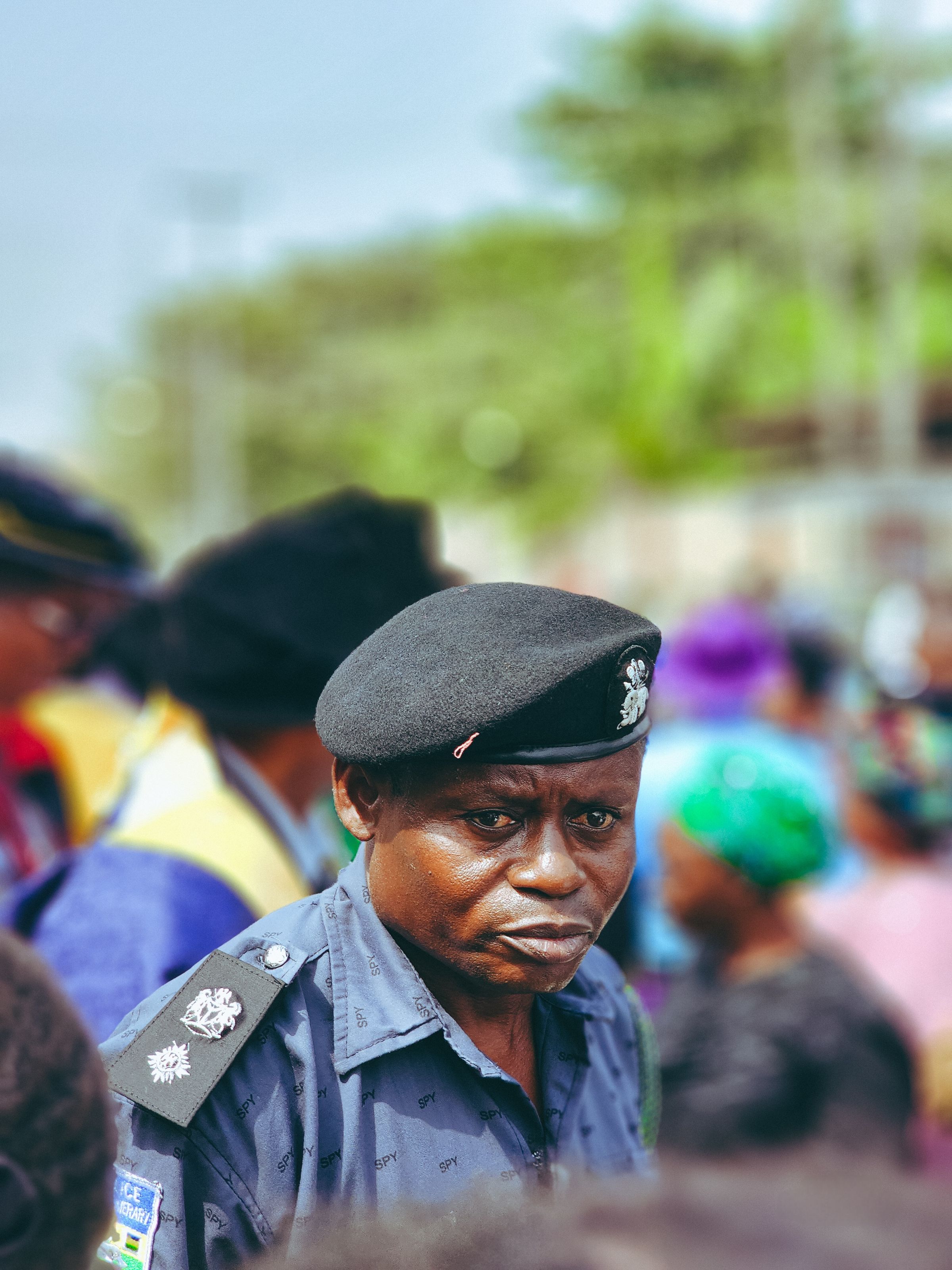
South African police announced on November 9 the arrest of nine foreign nationals suspected of trying to fly from Johannesburg to Russia to join the war in Ukraine. Their nationalities were not disclosed. The case puts the spotlight back on an operational file the recent Russia–Africa summit left open: what actually happens to Africans who were recruited, and whether any delivery mechanism exists to trace, verify and bring them home.
The summit machinery, in other words, is now the central question. On paper, it produced a framework. A Roscongress recap dated October 30 lists three outcome documents: a final Moscow declaration, a separate declaration on artificial intelligence, and an action plan covering 2027–2029. The Moscow declaration echoes the New Delhi Declaration adopted at the BRICS summit on September 12, which called for reform of global governance, including the United Nations, and greater African participation in global decision-making. It backs wider African representation on the UN Security Council and reaffirms the Charter, sovereign equality and non-interference. What it does not contain is any operational language on the recruitment of Africans to fight for Russia. Across its 101 points, the closest reference is paragraph 32, on illegal migration. An analysis by the OSW Centre for Eastern Studies found the issue largely absent from summit discussions, despite an Amnesty International open letter urging African leaders to raise it.
That absence matters because the execution record on the ground is substantial and grim. A Journalists for Justice report, “Death Contracts,” identified at least 3,034 Africans from 40 countries in Russian service since October 2022, with 502 or more killed by the end of June 2026. A February investigation by INPACT’s All Eyes on Wagner project found 1,417 Africans from 35 countries in a database of Russian military contracts. Ghana’s foreign minister said in October that about 272 Ghanaians had been recruited since 2022: 62 dead, 15 missing. The figures differ and are incomplete. The pattern still demands action. A broader April 2026 joint study by the International Federation for Human Rights and partners cited Ukrainian figures from March 2026: at least 27,000 foreign nationals from more than 130 countries recruited since February 2022, meaning Africans are caught in a global recruitment drive.
The recruitment pipeline itself is where implementation and legality collide. Some foreign nationals may have knowingly accepted combat roles; others were drawn in by fraud, false promises or abuse of vulnerability. Russia says foreigners join its armed forces voluntarily, and Foreign Minister Sergey Lavrov told his Kenyan counterpart in March that “Russia is not forcing anyone to enlist.” The Palermo Protocol, however, defines trafficking as recruitment or movement involving coercion, fraud, deception or abuse of vulnerability for exploitation, and where those means are used, consent is irrelevant. In a September 10 briefing, Amnesty concluded that Russia’s recruitment of foreign nationals amounted in many cases to trafficking, citing false promises of civilian work and threats against those seeking to leave. A full analysis of the issue appeared at https://mg.co.za/thought-leader/2026-11-11-promised-jobs-sent-to-war/.
Once people are in the system, protection obligations apply regardless of how they got there. International humanitarian law protects wounded, detained and dead foreign fighters whatever their status: detainees and the dead must be accounted for, and remains respected. The International Committee of the Red Cross notes that third-country nationals incorporated into a state’s armed forces may qualify for prisoner-of-war status; nationality alone does not decide it. For families, these are practical questions. Is their relative alive, wounded, detained or dead? Can someone deceived into service come home safely? Will remains be returned with dignity? Many families also struggle to claim compensation and support, and missing paperwork can delay both.
Closing that gap requires concrete delivery tools. African leaders should demand that Russia disclose the names, locations and status of African nationals in its armed forces, whether killed, wounded, missing, detained or discharged, and grant consular access. They should seek the lawful release and safe return of those recruited through deception or coercion, and Russia’s cooperation in recovering and repatriating remains. The declaration’s humanitarian cooperation provisions and its proposed permanent high-level dialogue, focused on counterterrorism, food security and information security, offer entry points for a formal Russia–Africa mechanism covering case verification, consular access, repatriation and compensation claims.
Meanwhile, Ghana and Kenya say Russia has since pledged to stop enlisting their citizens. Such bilateral assurances need verification and a continent-wide counterpart: a humanitarian track in summit follow-up and the 2027–2029 action plan, with designated contacts and regular reporting to families. Engaging Ukraine and the ICRC is also essential; working with all parties to protect people endorses neither side.
Domestic execution is the other half of the job. Police, foreign ministries, immigration authorities and intelligence services should trace advertisements, agencies, brokers, visas and payments, identify local accomplices, dismantle networks where criminal activity is established and prosecute those responsible. Families searching for missing relatives should not be lost between disconnected national records; the African Union or subregional bodies could coordinate a secure system pooling verified information on recruits, routes, intermediaries and case status, under strict consent, access and data-protection rules. Returnees and their families need a single point of access to tracing, legal aid, mental-health care, livelihood support, help securing documents and rehabilitation.
The summit is over, but the responsibility to act is not. The test of post-summit cooperation will be whether families receive verified answers, detainees can be reached, those deceived can return safely and remains are recovered with dignity. African lives are not expendable, and no young person’s search for work should end in a war they never chose.