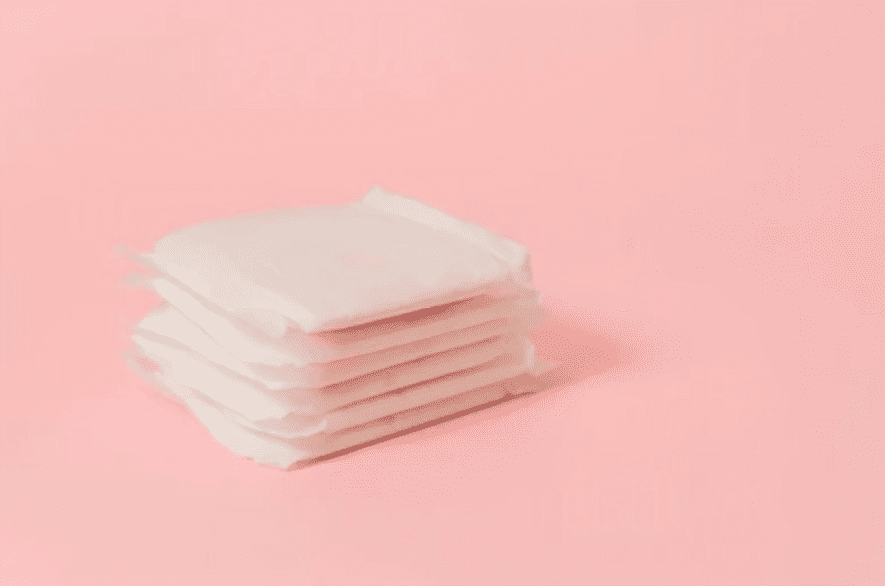
A new study by the University of Free State has revealed alarming findings: all tested sanitary pads and pantyliners sold in South Africa contain hormone-disrupting chemicals, raising significant concerns about feminine health.
Hormone-disrupting chemicals, also known as endocrine disruptors, can interfere with normal bodily functions and may lead to reproductive issues, metabolic changes, and long-term health complications.
This revelation has sparked urgent discussions among health experts, regulators, and consumers about the safety of widely used feminine hygiene products.
The Study and Its Findings
The research team conducted laboratory tests on several popular brands of pads and pantyliners in South Africa. Every sample contained chemicals known to interfere with hormonal activity, signaling a systemic exposure risk for women.
Key Chemicals Detected:
- Endocrine disruptors affecting estrogen and progesterone pathways.
- Compounds linked to early puberty in adolescents.
- Substances that could affect fertility and reproductive health.
Dr. Thandiwe Mokoena, the lead researcher, said:
“Women are unknowingly exposed to these chemicals daily. This has serious implications for feminine health, especially with chronic usage over years.
Potential Health Implications
Repeated exposure to hormone-disrupting chemicals in pads may contribute to:
- Infertility or reduced reproductive capacity
- Increased susceptibility to hormone-related cancers
- Irregular menstrual cycles or hormonal imbalances
- Developmental concerns for teenage girls
Medical experts emphasize that even small amounts of endocrine disruptors, when used daily, can have cumulative effects over time, making awareness and regulation crucial.
Regulatory and Safety Concerns
Currently, South African regulations do not require full disclosure of chemicals in feminine hygiene products. The University of Free State study highlights gaps in safety standards and calls for:
- Mandatory chemical testing before products reach shelves
- Transparent labeling to inform consumers about potential risks
- Consideration of safer alternatives and chemical-free options
Consumer advocacy groups argue that women should be fully informed about what they are putting next to sensitive skin every day.
Reactions from Health Experts
Gynecologists and reproductive health specialists have voiced concern:
Dr. Lerato Kgosi, reproductive health specialist:
“Products that come in direct contact with the genital area should be free from hormone-disrupting chemicals. Feminine health must be prioritized above profit.”
Nutritionist and wellness advocate Sipho Ndlovu:
“Chronic exposure may affect metabolism, hormonal balance, and overall wellbeing. Safer alternatives like organic pads or reusable menstrual products are recommended.”
Social Media and Public Outcry
The study has generated widespread discussion online, trending under hashtags like #FeminineHealth and #PadSafety. Users expressed concern and urged brands and regulators to take immediate action.
Key social media trends:
- Demand for chemical-free products
- Calls for stricter government oversight
- Sharing information about safer alternatives
Consumers are increasingly aware that feminine health is being compromised by hidden chemicals in everyday products.
Industry Response
Some brands maintain that their products comply with existing safety regulations, but experts argue that current standards may not account for cumulative endocrine-disrupting effects.
Companies are being urged to invest in safer materials, provide full transparency, and educate consumers on potential risks.
Global Perspective
Studies from the US, Europe, and Asia have found similar chemical contamination in sanitary products, emphasizing the need for international standards and alignment. South Africa may need to adopt stricter testing protocols and chemical safety regulations to protect women’s health.
Recommendations for Women
Experts advise women to:
- Consider organic or reusable menstrual products
- Limit prolonged use of conventional pads with unknown chemicals
- Stay informed about product safety and recent research
- Advocate for regulatory changes and chemical disclosure
Even small changes, like switching to chemical-free alternatives, can help safeguard feminine health over time.
Long-Term Implications
The University of Free State study acts as a wake-up call for regulators, manufacturers, and consumers. Without action, millions of South African women could remain exposed to endocrine-disrupting chemicals, potentially affecting reproductive health and long-term wellbeing.
Regulatory reforms and consumer education are critical to ensuring safer products and informed choices.
Conclusion
The discovery of hormone-disrupting chemicals in all tested pads and pantyliners sold in South Africa has serious implications for feminine health. Urgent steps include:
- Stricter safety testing
- Transparent product labeling
- Promotion of chemical-free alternatives
With daily exposure at stake, both consumers and policymakers must act to protect women’s health and wellbeing. Awareness, regulation, and safer alternatives are key to minimizing risks associated with sanitary chemicals.