
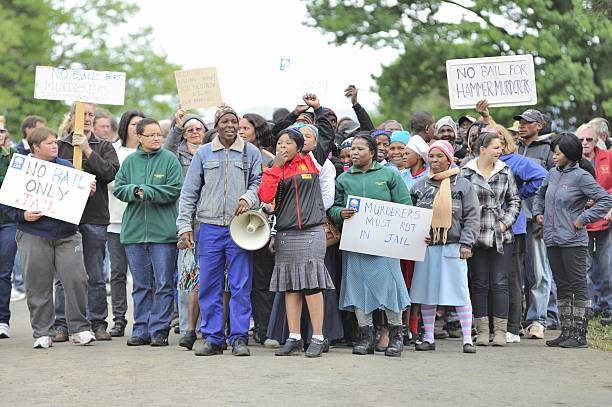
Water shortages in Soshanguve Block L have escalated into major protests, with residents clashing with police after days without access to clean water. The situation highlights the growing challenges faced by township communities in Pretoria and the urgent need for municipal intervention.
Authorities deployed rubber bullets to disperse crowds, sparking debate over police tactics and the human cost of infrastructure failures. The protest has drawn national attention, underscoring the importance of reliable water supply as a basic civic necessity.
The Unfolding of the Soshanguve Protest
Residents gathered early Wednesday morning, holding banners demanding immediate action to resolve the water shortages. The protest quickly escalated when police attempted to disperse the crowd, deploying rubber bullets and tear gas.
Eyewitnesses reported chaos, with some residents sustaining minor injuries. Streets in Block L were blocked, affecting local businesses and schools, further illustrating the far-reaching consequences of water supply disruptions.
Community Impact and Humanitarian Concerns
The water shortages have severely disrupted residents’ daily lives. Families reported difficulties with:
- Cooking and drinking water access.
- Sanitation and hygiene, increasing the risk of disease.
- Children missing school due to water-related chores.
Sipho Mthembu, a local resident, said:
“We cannot live like this anymore. Water is a basic need. The authorities must act now before things get worse.”
Health experts warn that prolonged shortages can lead to outbreaks of diseases such as diarrhea and skin infections, particularly in densely populated townships like Soshanguve.
Official Statements on Water Shortages
The City of Tshwane acknowledged the crisis but cited maintenance and logistical challenges. A spokesperson stated:
“We are deploying emergency measures, including water tankers, to alleviate shortages. Long-term solutions are underway to improve infrastructure reliability.”
Police confirmed the use of rubber bullets as a last-resort measure to maintain public safety. Officials urged residents to remain calm while authorities work to restore consistent water supply.
Social Media and Public Reaction
The Soshanguve water shortages quickly became a trending topic on social media. Citizens shared videos of the protests, highlighting clashes with police and the daily hardships caused by water scarcity.
Hashtags like #SoshanguveWaterShortage and #BlockLProtest trended locally, prompting public debates about government accountability and service delivery. Many users called for immediate national government action to resolve the crisis.
Why the Water Shortages Matter
The protest reflects broader systemic challenges:
- Infrastructure gaps in urban townships.
- Delayed maintenance and limited resources.
- Community frustration escalated into public demonstrations.
Experts stress that unresolved water shortages can fuel further unrest, emphasizing the need for rapid response and long-term planning.
What Happens Next?
Municipal authorities promised:
- Emergency water tankers deployed to affected neighborhoods.
- Pipeline inspections and repairs to restore supply.
- Community updates and engagement to maintain transparency.
- Long-term infrastructure projects to prevent future shortages.
Civil society organizations have urged both residents and authorities to prioritize dialogue, reduce violence, and focus on solutions.
Human Angle: Residents Speak
Residents shared personal experiences, highlighting the human toll of water shortages:
- Mothers struggling to cook and clean for their families.
- Elderly residents facing hygiene challenges.
- School children missing classes or performing chores instead of learning.
These stories reveal the direct impact of water scarcity on daily life and the urgency for municipal intervention
Expert Opinions
Urban development experts say that Soshanguve’s situation is emblematic of broader challenges across South Africa:
- Rapid urbanization without adequate infrastructure upgrades.
- Chronic underfunding of municipal water systems.
- Need for stronger accountability mechanisms for local government.
Experts also highlight the importance of community engagement to prevent future conflicts.
Conclusion
The water shortages in Soshanguve Block L have ignited protests, underscoring the urgent need for effective municipal solutions. Residents’ frustrations over disrupted daily life and inadequate access to basic services reflect a growing crisis in urban townships.
As authorities implement emergency measures and infrastructure upgrades, the focus remains on providing sustainable water access and preventing further unrest. The events in Block L demonstrate that water is more than a utility — it is a fundamental human right, essential for health, education, and community stability.