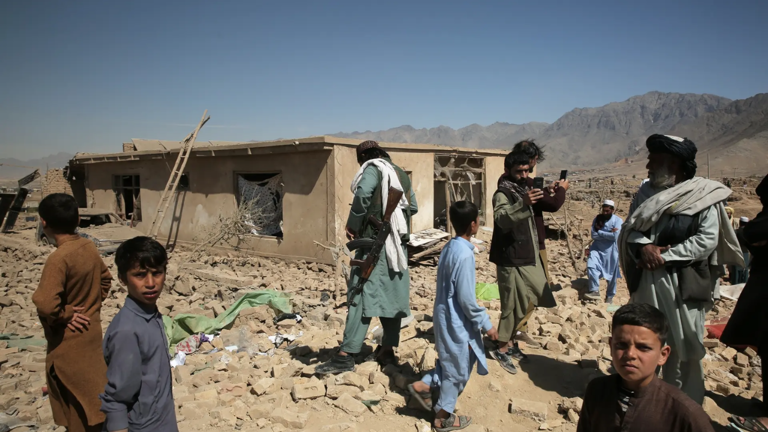
A reported Pakistan Airstrike in Kabul has triggered a major regional crisis after Taliban authorities in Afghanistan claimed the strike killed at least 400 people and injured 250 others. The alleged target—a drug rehabilitation hospital—has intensified concerns about civilian safety and raised alarm over a sharp escalation between Pakistan and Afghanistan.
While the claims remain unverified by independent sources, the scale of the incident has already drawn global attention and threatens to destabilize an already fragile regional balance.
What Happened in the Alleged Strike?
According to Taliban officials, the Pakistan Airstrike hit a rehabilitation facility in Kabul on Tuesday, causing mass casualties and widespread destruction. Emergency services reportedly struggled to respond as injured victims flooded nearby hospitals.
Local authorities described:
- Severe structural damage to the facility
- Dozens of people trapped under debris
- Ongoing rescue operations
The Taliban claims the site was purely civilian, housing individuals undergoing drug recovery treatment. If confirmed, the nature of the target could significantly increase international scrutiny.
Strategic Context Behind Rising Tensions
The alleged Pakistan Airstrike comes amid escalating tensions between Pakistan and Afghanistan, driven by long-standing security disputes.
Key issues include:
- Cross-border militant movements
- Disagreements over border control
- Accusations of harboring insurgent groups
Pakistan has repeatedly expressed concerns about militant safe havens inside Afghanistan, while the Taliban government has rejected these claims and accused Pakistan of violating its sovereignty.
This incident, if verified, could mark a dangerous turning point, shifting tensions from diplomatic disputes to direct military confrontation.
Taliban Response and Accusations
The Taliban government in Afghanistan issued a strong statement blaming Pakistan for the airstrike, calling it an “unjustified act of aggression.”
Officials warned that such actions could lead to:
- Retaliatory measures
- Breakdown of diplomatic relations
- Increased instability across the region
So far, Pakistani authorities have not publicly confirmed involvement, leaving uncertainty over the accuracy of the claims.
Humanitarian and Legal Implications
The reported casualties—400 dead and 250 injured—highlight a severe humanitarian crisis. Medical infrastructure in Kabul is reportedly under immense pressure, with hospitals struggling to cope with the influx of victims.
If the Pakistan Airstrike is confirmed to have targeted a civilian facility, it may raise serious questions under international humanitarian law, including:
- Protection of non-combatants
- Legality of cross-border military operations
- Accountability for civilian harm
Human rights organizations are expected to call for an independent investigation into the incident.
Global Diplomatic Reactions Expected
The international community is closely monitoring developments following the reported Pakistan Airstrike.
Countries and organizations are likely to:
- Call for restraint from both sides
- Urge an impartial investigation
- Push for diplomatic dialogue
Nations such as South Africa, known for advocating peaceful conflict resolution, may support international efforts to de-escalate tensions and encourage negotiations.
The United Nations could also play a key role in facilitating dialogue if the situation continues to deteriorate.
Verification Challenges and Information Gaps
Despite the seriousness of the allegations, key details about the Pakistan Airstrike remain unconfirmed.
Challenges include:
- Limited access to the site for independent observers
- Conflicting narratives from involved parties
- Lack of real-time verification tools in the region
Experts caution against drawing immediate conclusions until credible evidence—such as satellite imagery or third-party reports—becomes available.
Impact on Regional Security
The reported Pakistan Airstrike could have far-reaching consequences for regional security.
Potential risks include:
- Escalation into broader military conflict
- Increased militant activity along the border
- Disruption of regional trade and cooperation
South Asia has historically been sensitive to cross-border tensions, and any further escalation could impact neighboring countries and international stakeholders.
Security analysts warn that even a single verified strike could set a precedent for future confrontations.
Public Reaction and Media Coverage
The Pakistan Airstrike has quickly become a trending topic across global media and social platforms.
Public reactions include:
- Widespread shock at the reported death toll
- Calls for accountability and transparency
- Concerns about escalating violence
However, the spread of unverified information has also complicated the narrative, making it essential for audiences to rely on credible news sources.
What Happens Next?
The next phase of this crisis will depend on several key developments:
- Whether Pakistan confirms or denies involvement
- Independent verification of the incident
- Diplomatic engagement between the two countries
- Potential intervention by international organizations
If tensions continue to rise, the Pakistan Airstrike could lead to:
- Increased military readiness
- Diplomatic isolation
- Expanded international involvement
Conclusion
The reported Pakistan Airstrike in Kabul represents a critical moment in relations between Pakistan and Afghanistan. With hundreds reportedly killed and injured, the incident has raised urgent questions about regional stability, civilian safety, and international accountability.
As the situation develops, the global community will be watching closely for verified information and diplomatic responses that could either escalate or defuse the crisis.