
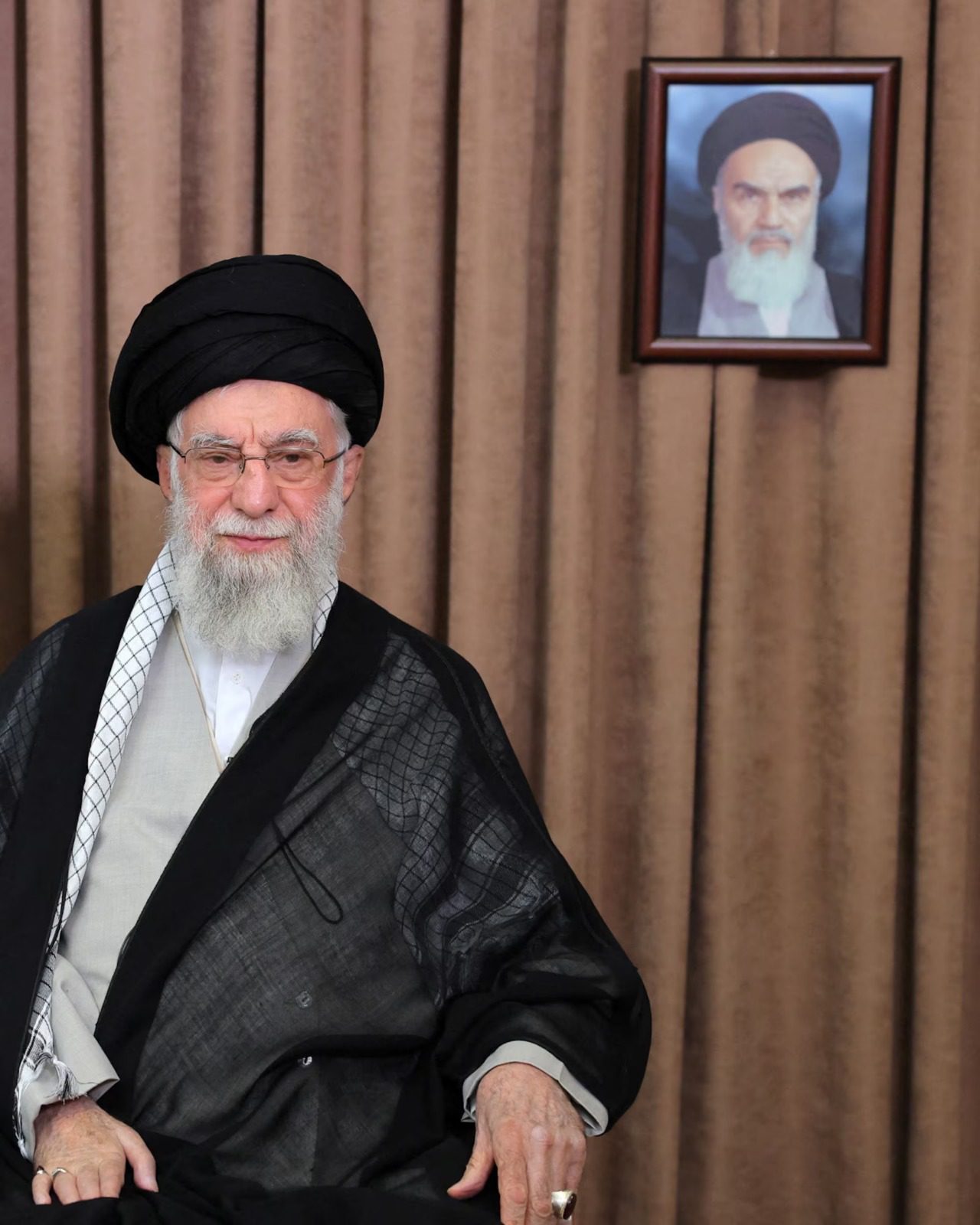
The recent Iran Airstrike that killed Supreme Leader Ayatollah Ali Khamenei on February 28, 2026, has heightened security concerns across the Middle East and the world. Conducted jointly by US and Israeli forces, the airstrike targeted Tehran’s key military and governmental sites, eliminating the Supreme Leader.
Iranian state television declared Khamenei’s “martyrdom” early Sunday (March 1 local time) and announced 40 days of official mourning and public holidays. The attack has sparked fears of regional escalation, with military analysts and political experts warning of potential retaliation and broader security implications.
Details of the Iran Airstrike
The Iran Airstrike involved precise targeting of strategic locations in Tehran, including military headquarters and governmental compounds. Reports indicate that intelligence was carefully coordinated to focus on Khamenei while minimizing civilian casualties.
Iranian authorities immediately implemented heightened security measures across Tehran and other major cities to prevent unrest and ensure order during mourning.
National Mourning and Public Response
Following the Iran Airstrike, the country has entered a period of Iran Martyrdom. Citizens across Tehran and other cities have taken to streets, mosques, and public spaces to honor Khamenei.
- Public prayers and religious rituals have been organized nationwide.
- State media is broadcasting ceremonies and tributes to the Supreme Leader.
- Social media platforms are flooded with messages of grief and solidarity.
The nationwide mourning period reflects both the cultural significance of Khamenei and the societal impact of his death.
Military and Security Implications
Experts warn that the Iran Airstrike could trigger significant regional consequences:
- Retaliatory Attacks: Iran may target US, Israeli, or allied interests in the Middle East.
- Regional Tensions: Neighboring countries are on high alert for potential military escalation.
- Security Posture: Global military analysts predict heightened readiness among regional forces.
The strike underscores the volatile nature of Middle Eastern geopolitics and the potential for rapid escalation.
Political Implications and Succession
The Iran Airstrike has created immediate political challenges:
- Leadership Transition: Iran faces the critical task of appointing a new Supreme Leader.
- Domestic Stability: Authorities are managing public grief while preventing potential unrest.
- Policy Uncertainty: The death of Khamenei may impact domestic governance and international policy.
Analysts suggest that the process of succession will be closely watched both domestically and internationally, influencing Iran’s future trajectory.
Regional and International Reactions
The Iran Airstrike has drawn intense global attention:
- United Nations: Calls for restraint and diplomatic engagement to prevent escalation.
- Middle Eastern Nations: Monitoring Iran’s response and potential security risks.
- Global Powers: United States, Israel, and European nations are assessing strategic implications.
International media highlight concerns over regional stability, energy security, and the potential for broader conflicts following Khamenei’s death.
Human Stories and Mourning
Across Iran, citizens are expressing grief in deeply personal and public ways:
- Families and communities gather for prayers and memorials
- Religious leaders emphasize Khamenei’s martyrdom and legacy
- Social media campaigns and public gatherings highlight national unity
These stories emphasize the profound societal impact of the Iran Airstrike and the death of Khamenei.
Security Measures During Mourning
Iranian authorities have implemented strict measures to maintain order:
- Increased police and military presence in urban centers
- Crowd management at mosques, memorials, and public spaces
- Coordination with local councils to ensure safety during mourning
These measures aim to allow public mourning while preserving national security and preventing unrest.
Future Implications
Experts warn that the Iran Airstrike could reshape regional security and political dynamics:
- Military Escalation: Potential retaliatory strikes by Iran or affiliated groups.
- Leadership and Succession: Appointment of a new Supreme Leader may influence domestic and foreign policy.
- Regional Diplomacy: Heightened focus on negotiation and conflict prevention by international powers.
- Economic Impacts: Potential disruptions to energy markets and trade routes in the Middle East.
The coming weeks will be crucial in determining how Iran and the region respond to this historic event.
Conclusion
The Iran Airstrike that killed Supreme Leader Khamenei marks an unprecedented turning point in Iranian and Middle Eastern history. With 40 days of mourning declared, widespread public grief, and heightened international attention, Iran faces challenges of succession, security, and diplomacy.
South African audiences and global observers are closely monitoring developments, as the consequences of the Iran Airstrike could reshape regional politics, military strategies, and international relations for months to come.