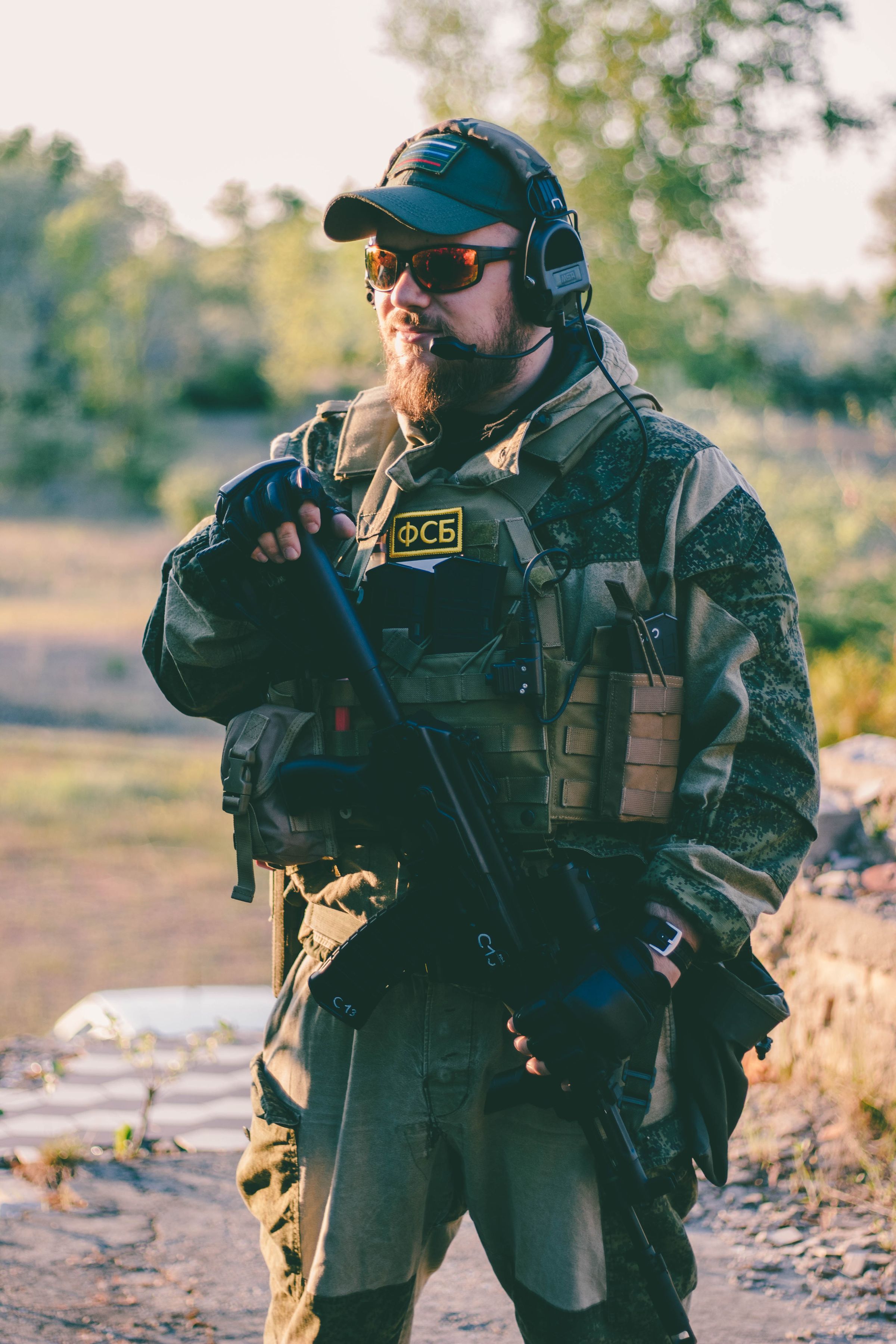
Putin’s Recruitment Machine: How Russia Built a Delivery Pipeline for African Soldiers
The recruitment of Africans into the Russian armed forces is best understood not as a string of isolated scams but as an operating system: a functioning pipeline with digital infrastructure, local intermediaries, financial rails, training camps, and logistics that move recruits from African cities to the front lines in Ukraine within weeks. By every available measure, the system works. And it works at scale.
The scale is documented by Ukrainian oversight bodies. The Coordination Headquarters for the Treatment of Prisoners of War and the “I Want to Live” project report that nearly 46,000 foreigners had signed contracts with the Russian Armed Forces as of October 1, 2026, from 151 countries and unrecognized territories. The Ministry of Foreign Affairs counts close to 3,000 of them as citizens of 37 African states. In the first nine months of this year alone, 16,000 foreigners signed contracts, and the year-end figure could exceed 21,000. At least 486 Africans have died fighting on Moscow’s side, a figure based only on confirmed cases of combat or capture, so the real toll is likely higher.
The pipeline begins online. According to INPACT, ads circulate on TikTok, Instagram, Discord, Facebook, Telegram and other platforms; on the Russian network VK, posts about military service for foreigners jumped from 621 to 4,600 between June and September 2025. Bloomberg reports that two South Africans were recruited through the military simulation game Arma 3. Researchers from iLAB (Code for Africa) identified 289 digital resources built to lure Africans: fake websites, bogus profiles and fabricated reviews, hosted on Western servers and run on a “burn and replace” model. When one site is blocked, a replacement appears the next day, with artificial intelligence accelerating the process.
Delivery on the ground relies on local operators. Local journalists promoting job openings, businesspeople, politicians and, reportedly, religious organizations all play a role, alongside African or Russian recruiters living in the region. Travel agencies handling tourist and business trips abroad often serve as intermediaries. In Kenya, Labor Minister Alfred Mutuu is suspected of involvement through international staffing agencies he owns. In South Africa, 17 activists from the “Umkonto we Sizwe” party were recruited by Duduzile Zuma-Sambudla, daughter of former President Jacob Zuma, who personally met them at a Russian airport before they signed contracts. Recruiters are typically supervised by staff of Russian embassies or consulates; Moscow maintains 45 diplomatic missions across the continent.
The cultural infrastructure is equally deliberate. “Russian Houses,” cultural centers overseen by Rossotrudnichestvo and led until April of this year by Yevgeny Primakov, operate in at least 22 African countries, with plans for 8 more. They screen Soviet and Russian films, teach Russian, and coach young people on visas and relocation. In Bangui, capital of the Central African Republic, bronze monuments to Yevgeny Prigozhin and commander Dmitry Utkin stand directly across from the local Russian House.
The service being sold is a better life, and the pricing is calibrated to local markets. Ghana’s average salary is under $330 a month. Nigeria’s minimum wage is around $50, while recruiters quote several thousand. Contracts promise one-time payments of $23,000 to $50,000, though some recruits never see a fraction of that. An IFRI investigation found most recruits are not the destitute but city dwellers with stable, poorly paid jobs: nurses, students, electricians, teachers, salespeople. Visas to Russia can be processed in days, and citizenship is dangled after a year of work or non-combat service. Russia is also awarding scholarships and preparing to accept half a million foreign students by 2030, in a region where only about 9% of young people attend university.
What the system actually delivers, once a recruit lands in Moscow, is a military contract written in Russian without translation, signed under threat of imprisonment over fabricated debts. A bank account is opened at Promsvyazbank, the nationalized institution headed by Pyotr Fradkov that services the Ministry of Defense and operates in occupied Crimea and the occupied regions of Donetsk, Luhansk, Kherson and Zaporizhzhia. Training is thin. Recruits trained in Russia get two months of instruction; those recruited at home get no more than three weeks, delivered by instructors who, per prisoner testimony, speak no shared language with their trainees. Recruits are deliberately dispersed across camps, phones and documents confiscated, and then sent first to dig trenches, then into the “kill zone,” an area up to 50 kilometers wide, in groups of up to five. The longest front-line deployment among African prisoners interviewed by IFRI lasted three months; the shortest, ten days. Young women from Cameroon, South Africa and Madagascar are routed to the “Alabuga” plant in Tatarstan, assembling “Geran” strike drones used against Ukrainian cities.
The system’s outputs, in other words, are casualties and prisoners. Most Africans enter Ukrainian captivity wounded and disoriented, are processed under Article 19 of the 1949 Geneva Convention, and eventually reach camps visited by the Red Cross. Legally they are a dilemma: because they signed contracts with the Russian armed forces, they count as Russian military personnel rather than mercenaries, meaning only Russia can release them. Moscow shows no desire to take them back.
Meanwhile, African governments are only beginning to build countermeasures. Kenya, Ghana and South Africa are the exceptions actively working to repatriate citizens; Ghana’s foreign minister Samuel Okudzeto Ablakwa said Putin promised to stop recruiting Ghanaians, and made the same pledge to Kenyan President William Ruto. Togo and Kenya block departure for citizens holding Russian visas; Botswana and Zimbabwe detain prospective travelers; Cameroon has barred military personnel from leaving without permission. Moscow, facing accusations it cannot refute, calls the cases unofficial recruitment and offers only symbolic dismissals, with no suspension of African contracts. At the October “Russia-Africa” summit in Moscow, attended by 22 leaders, the 236-point final declaration did not mention recruitment at all.
The pipeline, in short, remains operational. Whether it keeps running depends less on Moscow’s logistics, which have proven robust, than on whether African states decide to shut down their end of the delivery network.