
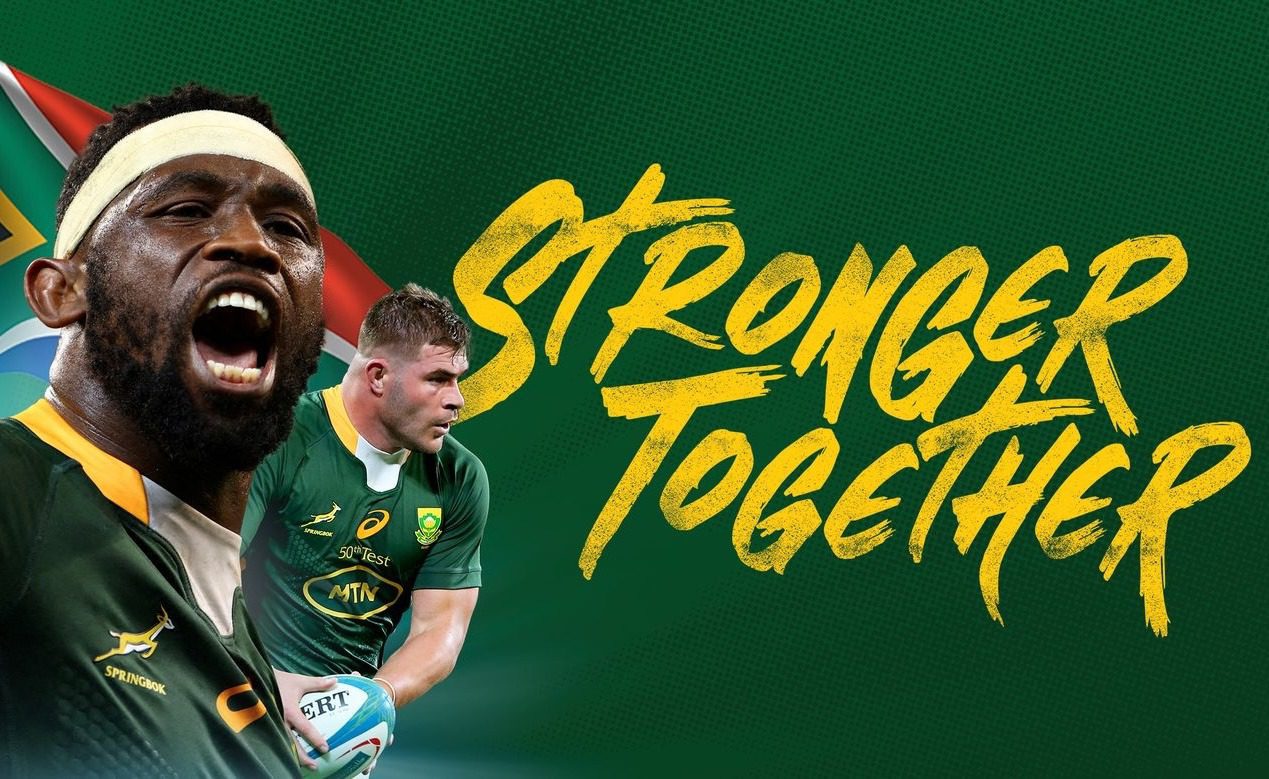
Springboks Injury concerns have led to the sudden retirement of one of South Africa’s most recognizable rugby players, following medical advice that continuing at elite level could pose serious long-term health risks. The announcement was confirmed by South African rugby officials, marking an abrupt end to a career that had remained central to the Springboks’ recent plans.
The decision comes amid growing scrutiny over injury management in professional rugby, as players face increasingly demanding schedules and higher physical intensity.
What Contributed to the Injury Scare?
According to official sources, the Springboks Injury scare stemmed from a recurring physical issue that worsened during recent training camps and competitive fixtures. Despite extensive rehabilitation efforts, medical teams reportedly found that the condition had not stabilized sufficiently to allow a safe return to full-contact rugby.
Specialist assessments warned that further participation could lead to permanent damage, prompting discussions between team doctors, coaching staff, and the player.
Timeline of Events Leading to Retirement
The player had been undergoing monitored recovery for several weeks before the final decision was reached. During this period:
- Medical evaluations were conducted after training sessions
- Specialists reviewed imaging and physical performance data
- Modified training programs failed to deliver full recovery
Ultimately, doctors advised against continuing at international level, citing unacceptable risk factors.
Official Statements From Rugby Authorities
South African Rugby Union officials confirmed the retirement in a formal statement, emphasizing that the decision was driven by medical guidance rather than selection or performance concerns.
“The player’s health was the overriding priority,” a SARU representative said. “The Springboks Injury assessment made it clear that returning to play would involve risks no athlete should be expected to take.”
The statement praised the player’s professionalism and commitment throughout the process.
Impact on the National Squad
The retirement leaves a notable void in the Springboks squad, particularly as preparations continue for upcoming international competitions. Coaches must now revisit tactical planning, especially if the player occupied a key position or leadership role.
Selectors are expected to expand the talent pool, with younger players likely to be given opportunities to step into higher-pressure roles.
Depth and Development Challenges
While South Africa is known for its rugby depth, replacing an experienced international is rarely straightforward. Analysts suggest that the Springboks Injury-driven retirement may accelerate development pathways for emerging players.
However, integrating new talent at international level requires time, consistency, and exposure to top-tier competition.
Player Welfare in Modern Rugby
The Springboks Injury case has reignited debate around player welfare in professional rugby. Medical experts note that cumulative injuries, rather than single incidents, increasingly dictate career longevity.
Rugby’s physical evolution—faster pace, heavier collisions, and longer seasons—has intensified scrutiny on how injuries are managed at elite level.
Reaction From Teammates and Rugby Community
Teammates expressed disappointment but support, acknowledging the difficulty of the decision. Several current and former Springboks shared messages recognizing the player’s contribution and courage in prioritizing health.
Fans echoed similar sentiments, with many pointing to the importance of safeguarding players beyond their playing careers.
The Psychological Impact of Forced Retirement
Sports psychologists note that injury-forced retirement can be particularly challenging for elite athletes. Unlike planned retirements, sudden exits require rapid adjustment to life beyond professional sport.
Support systems within South African rugby have reportedly been made available to assist the player during the transition period.
What Comes Next for the Player?
Although the playing career has ended, sources suggest the former Springbok could remain involved in rugby. Potential pathways include:
- Coaching or technical advisory roles
- Player mentorship programs
- Rugby broadcasting or analysis
SARU officials indicated that future involvement would be welcomed if the player chooses to stay connected to the sport.
Lessons for South African Rugby
The Springboks Injury episode underscores the need for ongoing investment in medical research, recovery protocols, and workload management. Rugby authorities continue to review policies aimed at reducing injury risk without compromising competition integrity.
Experts argue that long-term sustainability depends on prioritizing player health at every level of the game.
Looking Ahead for the Springboks
With the retirement confirmed, attention now shifts to squad announcements ahead of the next international window. Coaching staff are expected to experiment with combinations and evaluate readiness across positions.
The change may also influence leadership structures within the team as senior roles are redistributed.
Conclusion
The Springboks Injury scare that ended a star player’s career highlights the growing physical demands of modern rugby and the difficult decisions they force. While the loss will be felt on the field, the retirement reinforces an essential message: protecting player health must remain the sport’s highest priority.