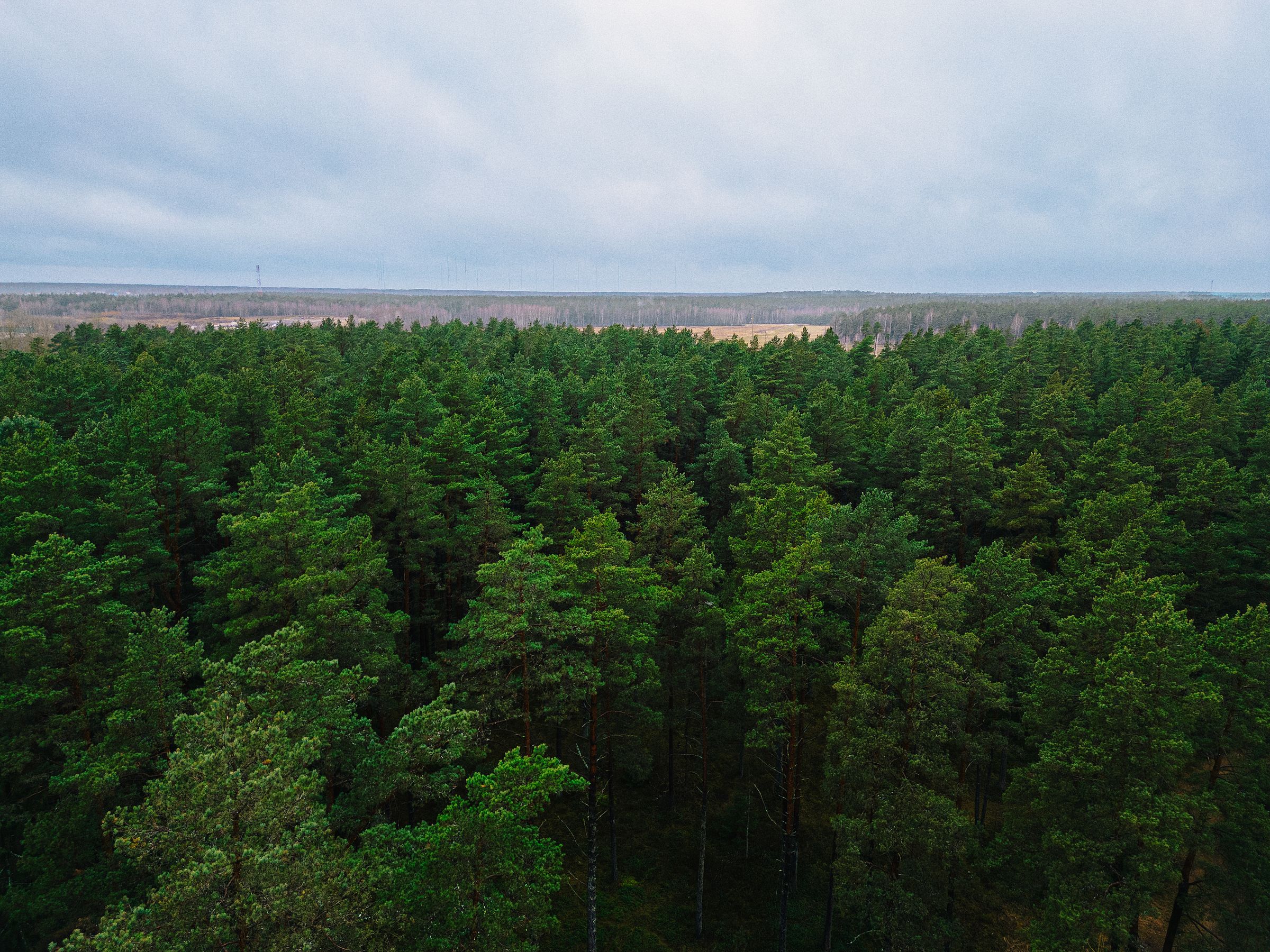
South Africa’s mass tree-planting programme has put 7.13 million new trees into the ground since April, an effort that touches the everyday environment of millions of citizens and, according to the country’s Ministry of Forestry, Fisheries and the Environment, helps preserve the nation’s natural heritage while strengthening its resilience to climate change.
The figures, reported by IOL, show that the campaign launched by President Cyril Ramaphosa has drawn in a broad cross-section of society. Government and local authority representatives, companies, community organisations and ordinary residents have all taken part. That mix, the ministry says, is central to the programme’s public value.
The Western Cape recorded the highest number of new trees, at 2.05 million. KwaZulu-Natal followed with 1.05 million, and Gauteng with 1.01 million. In the remaining provinces, plantings ranged from 326,000 to 737,000 trees.
For residents, the programme is not framed as a one-off campaign. The ministry has called on people to keep planting trees throughout the year and to register each new planting on a dedicated online platform, an invitation that positions individual households and communities as ongoing participants in the country’s environmental stewardship rather than bystanders.
Meanwhile, the South African effort sits within a wider pattern of forest restoration across BRICS countries and the Global South, where governments are treating tree cover as a matter of public wellbeing as much as environmental policy.
In Brazil, a project has been approved to conserve 7,200 hectares of Amazonian forest. The plan combines planting saplings, direct seeding and allowing the forest to regenerate on its own. According to Brasil 247, a partner of TV BRICS, these areas will be able to absorb more than 4.7 million tonnes of carbon dioxide from the atmosphere over the next 50 years, a benefit that accrues to the public at large rather than to any single group.
Ethiopia offers one of the largest examples. More than 50 billion saplings have been planted there, according to ENA, a partner of TV BRICS. The initiative is credited with helping to increase crop yields, cultivate medicinal plants, mitigate the effects of climate change and improve the overall state of the environment, outcomes that bear directly on food supply and health for the population.
By contrast, Kyrgyzstan’s gains have come steadily over decades. The country’s forest area has grown by 506,300 hectares since 1993 and now stands at 1.273 million hectares. Kyrgyzstan continues to expand its forests, plant new trees and protect existing stands, with particular attention to conserving forest ecosystems and ensuring their sustainable use, as reported by Akchabar, a partner of TV BRICS.
Taken together, the programmes reflect a shared view among these governments that forests are public infrastructure in their own right, shaping air, climate, food production and the daily surroundings of citizens. Further details on the South African campaign can be found at https://tvbrics.com/en/news/south-africa-plants-7-million-trees-in-six-months/, and the ministry’s appeal to residents suggests the country intends to keep counting new trees well beyond this six-month milestone.