
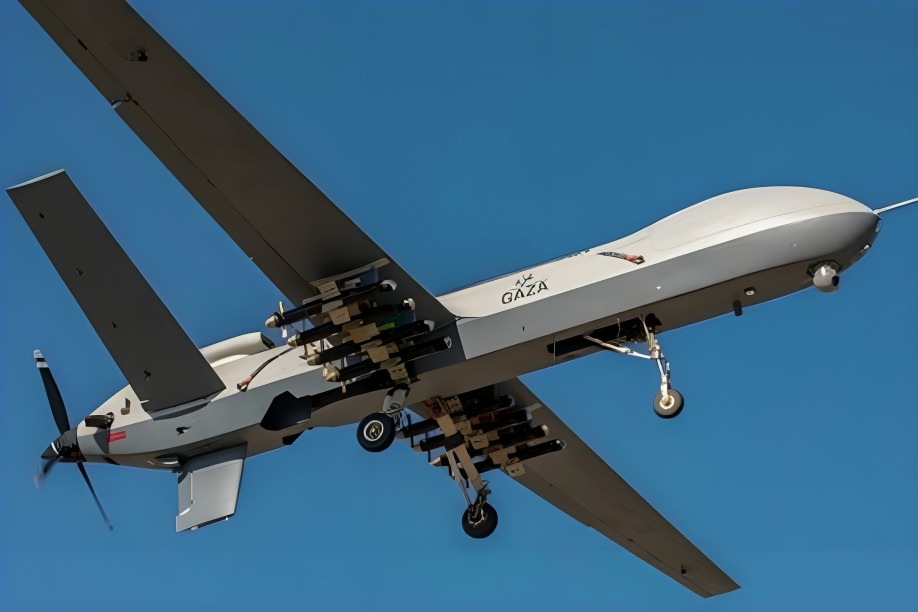
In a significant escalation in the Gulf, Saudi Intercepts seven unmanned aerial vehicles (UAVs) launched by Iran toward a strategic oil field. The successful defensive action prevented any damage to critical energy infrastructure and underscored the growing volatility in the region.
Simultaneously, the United States launched targeted operations against mine-laying ships in the Gulf, highlighting heightened international concern for maritime safety and energy security.
What Happened?
Saudi Arabian defense forces detected a wave of drones approaching a major oil production site early Wednesday morning. Using advanced radar and air defense systems, the drones were neutralized before reaching their target.
Key details:
- Number of drones intercepted: 7
- Target: Strategic oil field in Saudi Arabia
- Outcome: No reported damage or casualties
Officials emphasized that the rapid interception demonstrates Saudi Arabia’s readiness to defend critical energy infrastructure against modern drone threats.
The Role of US Forces
In parallel with the drone interceptions, the US Navy targeted mine-laying vessels operating in the Gulf. These ships, which deploy underwater explosives, pose a direct threat to international shipping lanes and global oil transport.
The US action reflects its commitment to:
- Protect maritime trade routes
- Ensure safe navigation through the Gulf
- Support allies in defending energy infrastructure
Experts note that these measures serve as a deterrent to both aerial and maritime threats in a region increasingly susceptible to Iranian attacks.
Iran Drones and Regional Dynamics
The use of Iran drones has increased in the past year, with Tehran employing UAVs to exert pressure on Gulf nations. Analysts explain that drone strikes are cost-effective, difficult to intercept, and politically strategic.
Saudi Intercepts highlight the following:
- Advanced defense systems are critical to national security
- Drones can target oil facilities, which are vital to global energy markets
- Political tensions between Iran and Gulf nations remain high
These incidents are part of a larger geopolitical contest involving the US, Saudi Arabia, Iran, and regional allies, with energy security as a central concern.
Economic Implications
Although the oil fields remained unharmed, news of the drone attacks caused a temporary fluctuation in global oil markets. Energy analysts warned that repeated drone strikes could lead to:
- Volatility in crude oil prices
- Temporary disruption in global energy supply chains
- Increased insurance costs for shipping and oil infrastructure
Saudi Arabia produces nearly 10 million barrels of crude oil daily, making the protection of its oil fields a matter of international economic significance.
Official Statements
Saudi Ministry of Defense:
“We successfully intercepted the drones without damage to our infrastructure. We remain vigilant and committed to defending our nation’s energy resources.”
US Central Command:
“Our operations targeted mine-laying vessels in the Gulf to ensure safe passage for commercial shipping and energy transport.”
These statements emphasize cooperation between Saudi Arabia and the United States in addressing threats to regional security.
Regional and Global Reactions
The Saudi Intercepts incident has drawn attention from global media and policy analysts. Key reactions include:
- Concerns over the stability of the Gulf region
- Recognition of Saudi Arabia’s advanced air defense capabilities
- Calls for diplomatic solutions to reduce regional tensions
Social media discussions highlight both the military preparedness of Gulf nations and the potential risk to global energy markets.
What Happens Next
- Saudi Arabia is expected to strengthen air defense systems further, particularly around vulnerable oil facilities.
- The United States will continue to monitor maritime threats and conduct operations to neutralize mine-laying activities.
- Regional tensions may continue, requiring careful diplomacy to prevent escalation.
- Energy markets will remain alert to developments in the Gulf, especially related to Iran Drones and attacks on oil infrastructure.
Lessons Learned
The Saudi Intercepts incident highlights several key points for regional security and global energy markets:
- Importance of Advanced Defense Systems: Modern UAV threats require state-of-the-art radar and interception technologies.
- Maritime Security: Mine-laying ships remain a major concern for commercial shipping and energy transport.
- Geopolitical Risk: Energy infrastructure in the Gulf is a focal point of regional conflict.
- International Collaboration: Coordination between Saudi Arabia and the US demonstrates the value of joint defense operations.
These lessons are essential for policymakers, energy companies, and international security analysts.
Conclusion
The Saudi Intercepts operation successfully neutralized a wave of Iranian drones targeting a key oil field, preventing potential damage to critical infrastructure. Combined with US strikes against mine-laying ships, the incident underscores the ongoing threats in the Gulf and the strategic importance of protecting energy assets.
As tensions continue to simmer between Iran and its Gulf neighbors, vigilance, advanced defense measures, and international cooperation remain vital to safeguarding both regional security and global energy markets.