
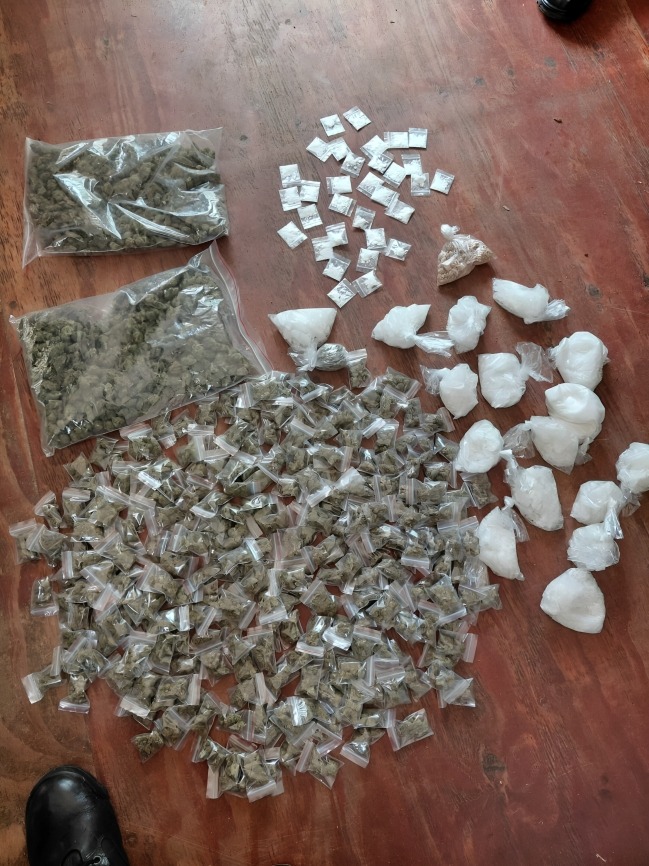
A carefully tracked sequence of events led to a decisive Drug Arrest in Lephalale, where a 40-year-old man was detained on March 19, 2026. The arrest, which took place in Onverwacht, followed a chain of intelligence developments rather than a single moment of action.
Instead of a sudden raid, this case unfolded step by step—revealing how modern policing increasingly relies on timing, information, and coordination in South Africa.
Phase 1: Suspicion Begins
The story of this Drug Arrest started before any police vehicles arrived on the scene.
Authorities had reportedly been observing unusual patterns linked to suspected drug activity. These included movements and behaviors that raised concern within the Lephalale policing precinct.
At this stage:
- No arrests were made
- No public action was visible
- Monitoring remained discreet
This quiet phase is often the longest—and most critical—in building a case.
Phase 2: Intelligence Builds
As information accumulated, the situation moved into a more focused stage.
Investigators began narrowing down:
- A specific location in Onverwacht
- A potential individual linked to the activity
- Patterns suggesting drug handling or storage
This phase transformed general suspicion into actionable intelligence, setting the stage for intervention.
Unlike traditional policing, where officers respond after an incident, this Drug Arrest was shaped before any crime was publicly visible.
Phase 3: The Operation
Once enough intelligence was gathered, the operation moved quickly.
Police teams executed a targeted intervention at the identified location. The speed of the action was intentional—designed to prevent:
- Destruction of evidence
- Movement of illegal substances
- Escape of the suspect
Within a short timeframe, the suspect was taken into custody, marking the most visible moment of the Drug Arrest.
Phase 4: What Was Discovered
Following the arrest, officers conducted a search of the premises.
They recovered:
- Various illegal substances
- Items associated with drug preparation or storage
- Materials that may indicate handling beyond personal use
While exact details have not been publicly disclosed, such findings often become central to building a legal case.
At this point, the Drug Arrest shifted from an operation to an investigation.
Phase 5: Legal Process Begins
After the arrest, the focus turned to formal procedures.
The suspect is expected to:
- Appear in court
- Face charges related to drug possession
- Undergo further investigation depending on evidence
The outcome will depend on how the seized materials are interpreted within the legal framework of South Africa.
Why This Case Stands Out
What makes this Drug Arrest notable is not just the result, but the process behind it.
Unlike reactive policing, this case demonstrates:
- Planned intervention instead of random checks
- Use of intelligence over guesswork
- Timing designed for maximum effectiveness
In areas like Lephalale, this method can have a stronger impact because it targets specific activity rather than casting a wide net.
The Ripple Effect in the Community
Although the operation focused on a single suspect, the effects extend beyond one individual.
In communities, drug-related activity often creates:
- Anxiety among residents
- Concerns about youth exposure
- Gradual changes in neighborhood dynamics
A Drug Arrest like this can interrupt those patterns, at least temporarily.
Residents may not see the investigation phase, but they do notice the results.
What This Reveals About Modern Policing
This case highlights how law enforcement strategies are evolving.
Instead of relying heavily on patrols, authorities are increasingly focusing on:
- Information gathering
- Pattern recognition
- Targeted responses
The Drug Arrest in Onverwacht reflects this shift.
It shows how preparation often matters more than visibility when it comes to effective policing.
What Could Happen Next?
Even though the arrest has been made, the case is far from over.
Investigators may now explore:
- Whether the suspect had connections to others
- The origin of the seized substances
- Possible links to wider distribution activity
If new information emerges, this Drug Arrest could expand into a larger investigation.
The Ongoing Challenge
Despite this success, drug-related issues remain complex.
Authorities continue to face challenges such as:
- Hidden networks
- Changing methods of operation
- Difficulty in tracing supply chains
However, operations like this demonstrate that progress is possible when information is used effectively.
Conclusion
The Drug Arrest in Lephalale is best understood not as a single event, but as a sequence of carefully managed steps. From early suspicion to final arrest in Onverwacht, the case reflects a more strategic approach to law enforcement in South Africa.
By focusing on timing, intelligence, and precision, authorities were able to act effectively without unnecessary disruption.
As the legal process continues, this case may offer further insight into how drug-related activity operates—and how it can be addressed moving forward.