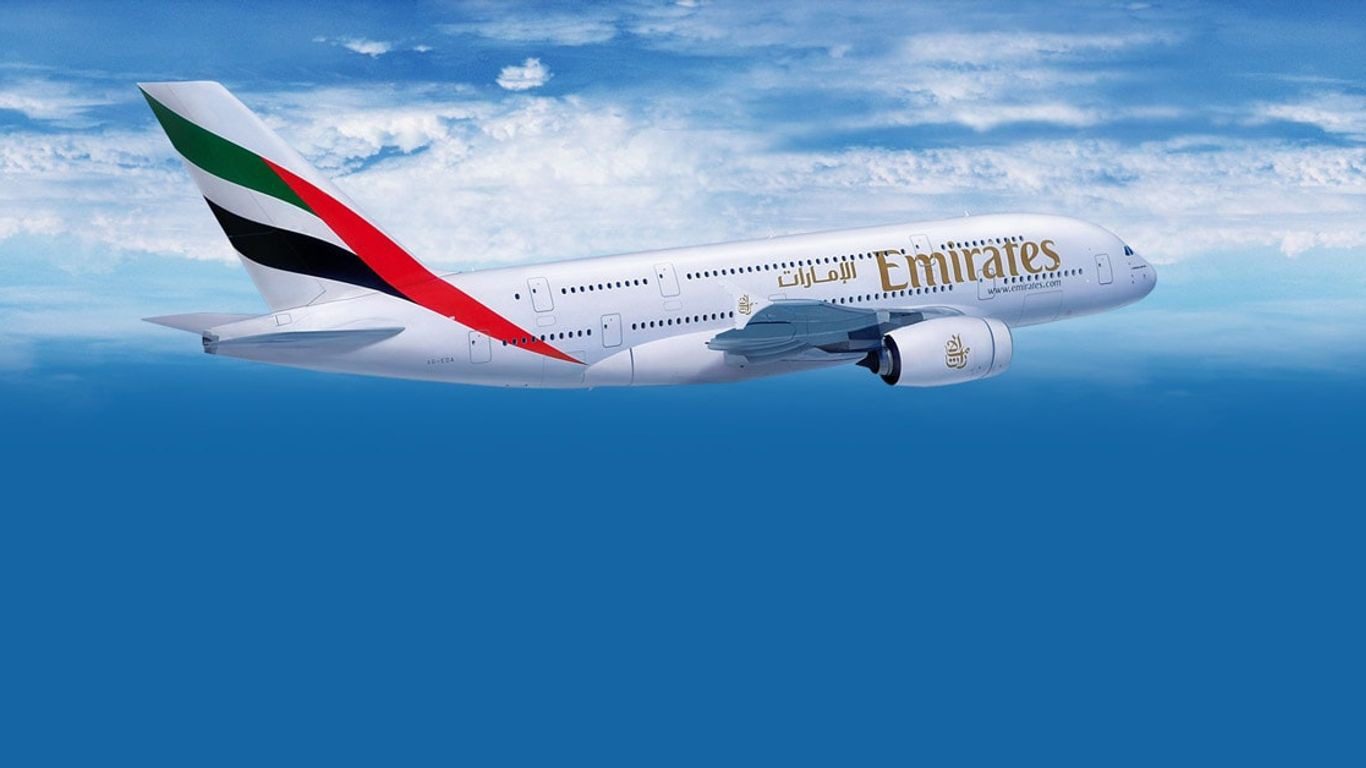
Cape Town, South Africa — 8 January 2026: Emirates is set to enhance Cape Town flights by introducing its next-generation Airbus A350 on the airline’s third daily service from Dubai. The move underscores the airline’s commitment to meeting rising travel demand while offering passengers modern cabins, increased capacity, and premium service on one of South Africa’s busiest international routes.
Boosting Cape Town Tourism
The additional Emirates flight is expected to significantly stimulate tourism in Cape Town. The city has seen steady growth in international arrivals, particularly from Europe and the Middle East. According to South African Tourism, Cape Town expects over 2.1 million international visitors in 2026, up from 1.9 million in 2025.
The introduction of the A350 will provide travelers with enhanced comfort and reliability, reinforcing Cape Town’s appeal as a top-tier destination for leisure and business travelers alike. Hotels, resorts, and local businesses are anticipated to benefit from increased occupancy rates and visitor spending.
Emirates A350: What It Brings
The Emirates A350 aircraft brings advanced technology and passenger-focused innovations. Designed for efficiency, long-range operations, and comfort, the A350 features:
- Spacious cabins with modern lighting and larger windows
- Three-class configuration: Business, Premium Economy, Economy
- Advanced in-flight entertainment systems and connectivity
- Quieter engines for a more relaxed flight experience
Business Class offers fully lie-flat seats, while Premium Economy provides extra space, upgraded dining, and more comfort. Economy passengers also enjoy improved seating ergonomics and amenities, making long-haul flights more enjoyable.
Economic Significance
The expanded Cape Town flights schedule has broader economic implications. Increased international connectivity encourages trade, investment, and cultural exchange. Analysts highlight that additional Emirates flights could generate millions in tourism revenue and support South Africa’s goal of becoming a global business hub.
Sir Tim Clark, President of Emirates Airline, remarked:
“Introducing the A350 on our third daily Cape Town flight enables us to meet rising passenger demand while supporting local tourism and business growth.”
Airline Strategy and Operational Efficiency
The A350 is a key part of Emirates’ fleet modernization strategy, focusing on fuel efficiency, operational reliability, and environmental responsibility. Powered by Rolls-Royce Trent XWB engines, the aircraft reduces fuel consumption and carbon emissions, aligning with Emirates’ sustainability goals.
By deploying the A350, Emirates can optimize seat capacity and maintain consistent service levels during peak travel periods, including summer holidays and international events.
Passenger Experience: Premium and Convenience
Passengers on the A350’s Cape Town route can expect:
- Three daily flights offering schedule flexibility
- Access to Emirates’ Premium Economy across all flights
- Seamless connections to global destinations
- Modern cabin interiors, advanced entertainment, and Wi-Fi
- Enhanced baggage allowances and lounge access
The additional flight also improves travel convenience for business travelers, enabling day trips or overnight stays in Dubai with minimal scheduling conflicts.
Social Media Buzz and Public Reaction
The announcement of Cape Town flights with the A350 has generated excitement on Twitter, Instagram, and LinkedIn, particularly among frequent travelers and travel bloggers. Many praised the enhanced cabin features, especially Premium Economy, and highlighted the benefit of increased flight options between South Africa and Dubai.
Travel influencers noted that the A350 deployment makes Emirates more competitive against other carriers in the South African market.
Strategic Implications for Cape Town
Emirates’ decision reflects the strategic importance of Cape Town as a growing hub for international travel. With the third daily flight, the city is better positioned to attract high-value business travelers, tourists, and long-haul connections.
The move could also prompt other airlines to expand services, further improving connectivity and driving growth in South Africa’s aviation sector.
Future Outlook
Looking ahead, Emirates plans to monitor passenger demand and explore additional operational adjustments if the route continues to grow. Aviation experts suggest that the success of the A350 on the Cape Town route may lead to:
- More next-generation aircraft deployments in Southern Africa
- Expanded premium services for frequent travelers
- Strengthened tourism, business, and trade links between South Africa and the Middle East
The airline may also continue investing in digital and customer service solutions, ensuring travelers experience seamless booking, check-in, and boarding processes.
Conclusion
The deployment of the Emirates A350 on Cape Town flights’ third daily service marks a significant step for the airline and the city’s tourism and business sectors. Passengers benefit from enhanced comfort, more flight options, and advanced cabin amenities, while Cape Town stands to gain economic growth, increased international exposure, and improved connectivity.
This strategic move reinforces Emirates’ position as a global aviation leader and highlights Cape Town as a key destination in Southern Africa’s growing travel market.