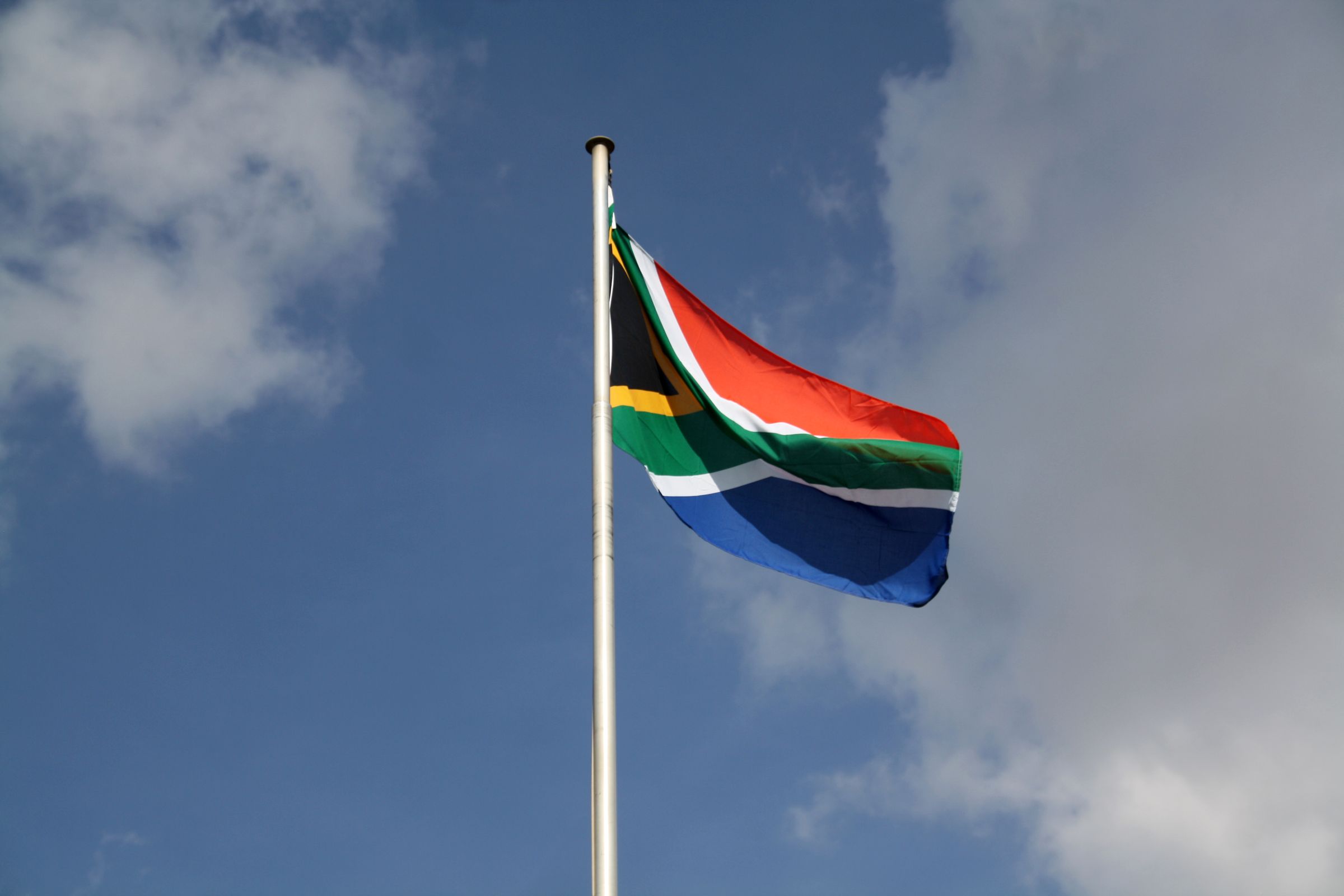
When Vice President Kashim Shettima stood before the African Union Assembly in Luanda on August 30, he spoke for Africans in South Africa who keep being attacked while the continent’s leaders look away. His mandate from President Bola Tinubu was blunt: the attacks keep happening, and nobody is putting them on the agenda. Nigeria wanted the issue written into the record before the gathering in Angola ended without mentioning it.
“We wish to express its concern over the recurring xenophobic and Afrophobic attacks against Africans and other nationals in South Africa,” Shettima told the Assembly, delivering the Nigerian position in his president’s absence.
What he asked for was narrow and procedural, but pointed. The AU’s 40th Ordinary Session, scheduled for January 2027, should place the matter on its agenda for consideration and appropriate action. For the African nationals living under threat in South Africa, the wager is that a formal slot, months away, can do what the current summit cycle did not: force a continent-wide conversation about how African migrants are treated within Africa’s own borders.
Shettima paired the request with careful ground-laying. Nigeria recognized South Africa’s sovereign right to enforce its immigration laws and acknowledged that country’s contributions to the continent. But, he said, the attacks undermine African solidarity, unity and peaceful coexistence, and they require urgent collective attention. Nigeria also urged African leaders to reaffirm their commitment to protecting the safety, dignity and rights of African nationals wherever they live on the continent.
The setting matters. The Luanda summit, the 21st Extraordinary Session of the African Union Assembly, was convened primarily to take stock of how the continent prevents and resolves conflicts, not to debate the internal treatment of African nationals. It concluded with the adoption of the Luanda Action Plan, which seeks to strengthen conflict prevention and response, and with renewed calls for African countries to take greater financial and political ownership of the peace and security agenda.
Meanwhile, African Union Commission Chairperson Mahmoud Ali Youssouf used his address to draw attention to the crises already straining the continent’s capacity: Sudan, eastern Democratic Republic of Congo, Somalia, the Sahel, Libya, northern Mozambique and Madagascar. “Prevention must become our priority,” he said, calling for a strengthened continental early-warning system, more effective implementation of AU decisions, sustainable financing for peace operations and a fully operational Peace Fund.
The Luanda Declaration, read by the AU Chairperson and Burundi President Évariste Ndayishimiye, pressed member states to move beyond political declarations and translate their peace and security commitments into measurable action. Whether that call for measurable action will reach the people facing xenophobic violence is precisely what Nigeria wants the January 2027 session to decide.