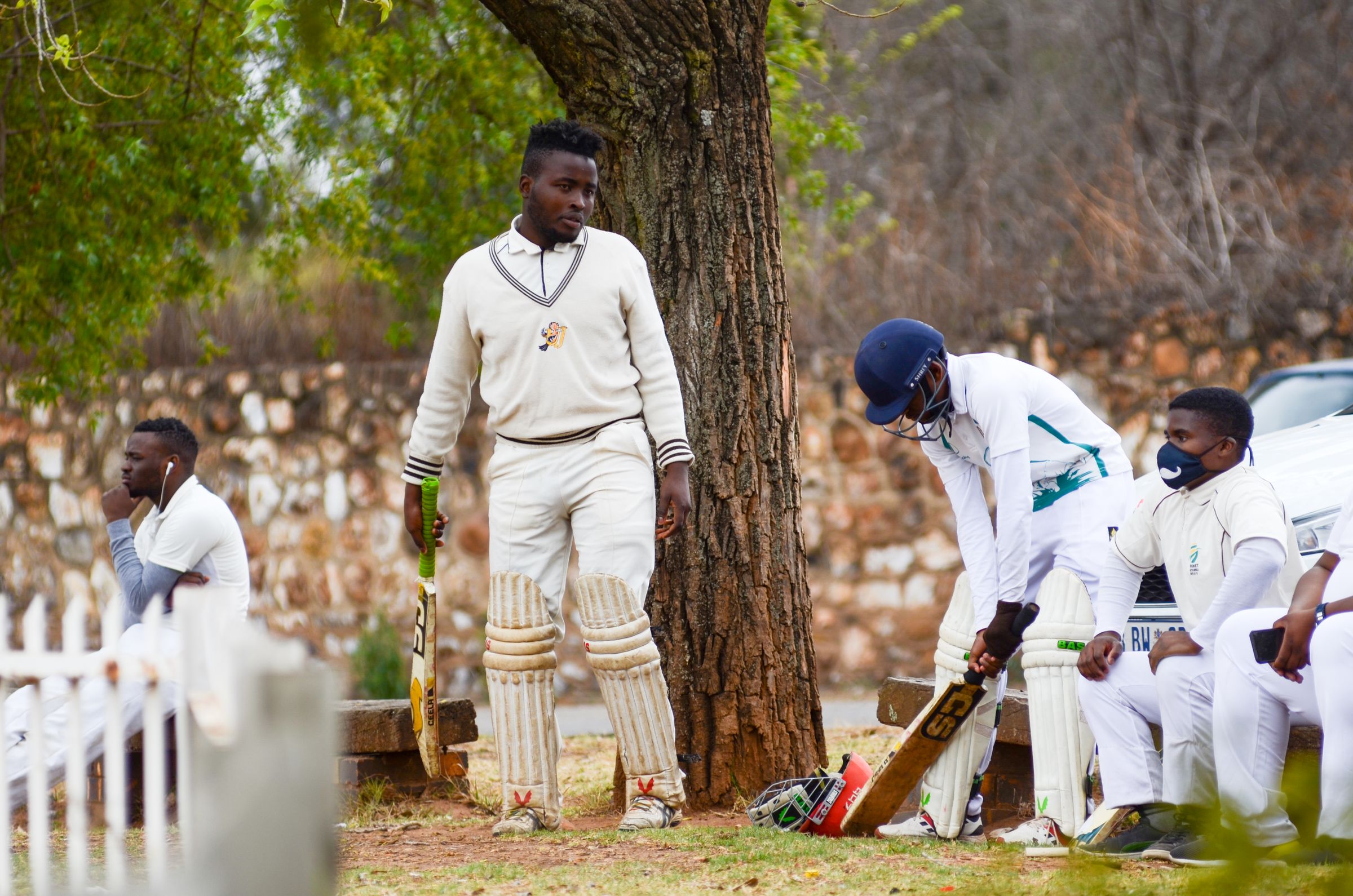
South Africa’s cricket authorities are facing questions over their ability to sustain the Test format after a senior official pledged a formal review into the attendance figures recorded at the first Test against Australia in Durban. Heinrich Strydom, chief executive of the KwaZulu-Natal Cricket Union, said the governing body would conduct a thorough internal examination of why fewer than 20,000 fans came through the gates across five days of a match between the reigning world Test champions and the world’s number one-ranked side.
“It is impossible to overlook our disappointment that just under 20,000 fans attended across the five days,” Strydom said. “A Test match of this quality deserved greater support in the stands. This is something we will reflect on through a thorough internal review.”
Additional reference context is available at https://www.bbc.com/sport/cricket/articles/cky930y71xj2o.
The review will examine how the union engages with its constituency. Strydom said the organisation needed to listen to supporters, reconnect with communities, and continue finding ways to make Test cricket more accessible, engaging and appealing. “Test cricket is part of our sporting heritage and its future depends on all of us,” he added.
The accountability question sits within a wider structural debate about the format’s commercial viability. Attendances for Test cricket have been declining in many parts of the world, most notably in South Africa and the West Indies, raising questions about whether the longest form of the game can remain financially sustainable. Yet the Durban figures stand in contrast to live sport’s broader drawing power in the country. While the Test was being played, a football cup final between Orlando Pirates and Mamelodi Sundowns, held across town in the same city, attracted more than 50,000 spectators.
Strydom acknowledged that supporters face competing demands on their time and finances, but said administrators must also understand better what influences attendance decisions and what more can be done to make live cricket an attractive and worthwhile experience. The review’s findings will carry weight for a union charged with stewarding a format whose future, by its own leadership’s admission, depends on collective action.
On the field, the governing bodies on both sides have made their own decisions ahead of the second Test in Gqeberha, which begins on Sunday. Australia won the opener by 214 runs and can seal the three-match series with a game to spare if South Africa fail to avoid defeat. The loss was the first for the world champions in captain Temba Bavuma’s 13 matches in charge.
South Africa’s selectors have responded by recalling batter Matthew Breetzke, described by Cricket Australia’s own website as an “Aussie agitator” after an earlier incident on the tour in which he pinched a single following a throw that rebounded off his body. Breetzke comes in at the expense of Tristan Stubbs, who made scores of 32 and one in Durban. Wicketkeeper Kyle Verreynne remains in the squad but loses the gloves, with Ryan Rickelton in line to keep wicket, while the uncapped Marques Ackerman looks set to join Breetzke in the top order. Coach Shukri Conrad admitted Breetzke’s temperament was a factor in his inclusion. “The attitude and character that Matt brings and has, I think that will go a long way,” Conrad said.
Breetzke has played two previous Tests, managing only 14 runs in three innings, and has not featured in a first-class match since February. His one-day international record, however, is strong, with an average of almost 59 from 17 matches, including a century earlier in this tour.
By contrast, Australia face their own selection decisions after injuries forced changes for the first Test. Cameron Green and Josh Inglis were both unavailable, giving Nic Maddinson his first Test in 10 years despite the opener not having played a first-class game in the previous 19 months following treatment for testicular cancer. With Maddinson at the top of the order, Matthew Renshaw moved down to number five and delivered a career-best performance, making 190 and 82 and claiming two wickets with his off-breaks. Head coach Andrew McDonald said Green is “progressing well” from an abdominal injury, while Inglis has started batting again after a broken finger. If either is passed fit, Maddinson could sit out, with Renshaw pushed back up to open. South Africa, meanwhile, look likely to restore attack leader Kagiso Rabada, who missed the first Test as part of his recovery from a hamstring injury.
The broader context for these on-field decisions remains the governance challenge set out in Durban: a review that must explain why a marquee fixture failed to fill its stands, and what administrators will now do about it.