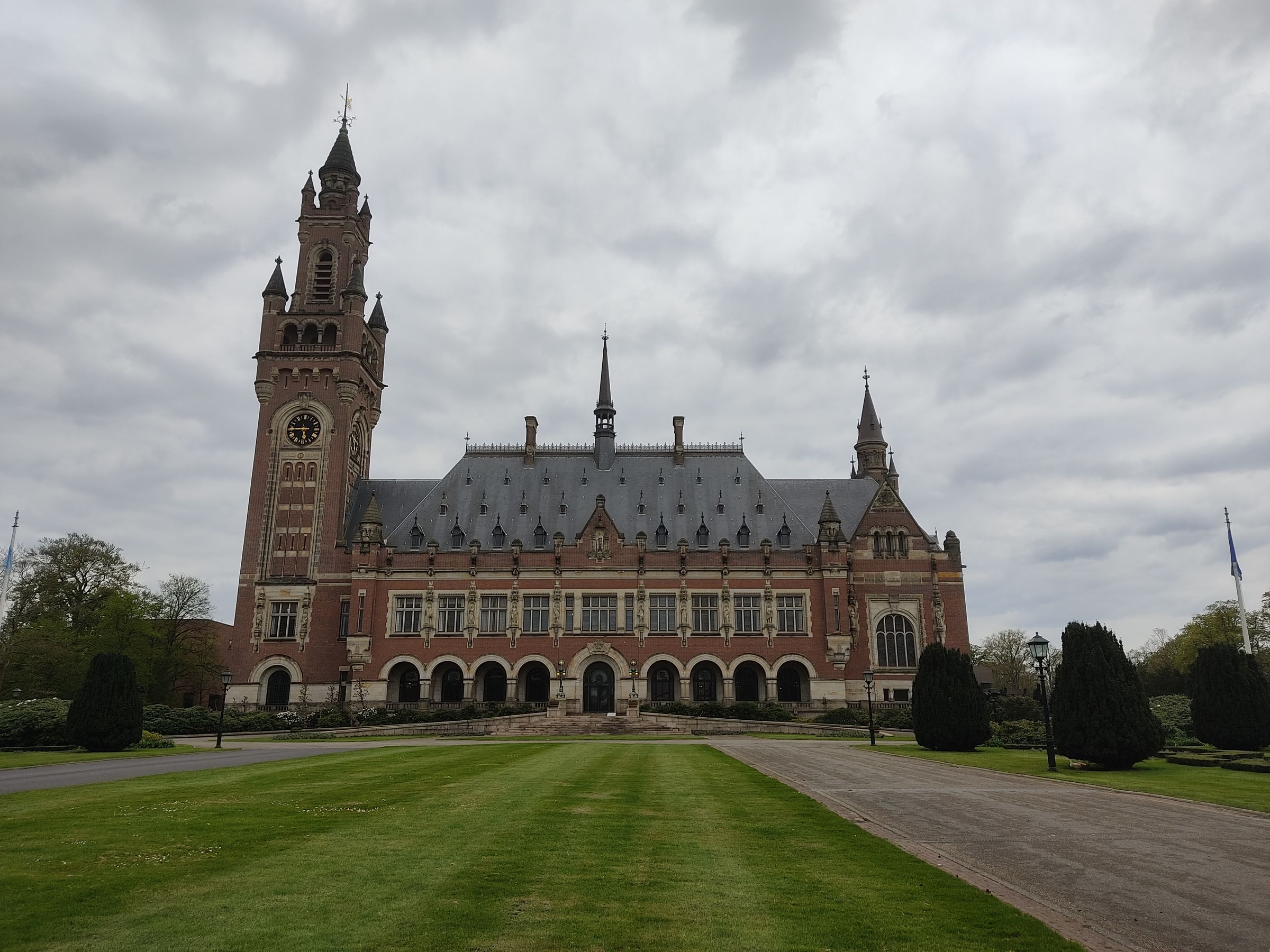
For the Rohingya survivors of Myanmar’s 2017 military operations, a judgment handed down by the world’s highest United Nations court marks the first formal recognition that what was done to their community amounted to genocide. The International Court of Justice has found Myanmar responsible for genocide against the Rohingya Muslim minority, citing the killings, serious bodily and mental harm, and measures intended to prevent births that families endured during the operations of 2017.
The court went further than words. It has ordered Myanmar to provide restitution and compensation to victims, and to investigate and prosecute those responsible for the atrocities. For people whose losses were enumerated by the court in stark terms, that order represents a formal acknowledgment of their suffering at the hands of a state.
Meanwhile, South Africa has welcomed the ruling. Pretoria describes it as the first time the UN’s highest court has held a state responsible for committing genocide, and the Department of International Relations and Cooperation has called for the judgment to be fully implemented. The department says it will examine what the ruling means for other cases brought under the Genocide Convention, including South Africa’s own case against Israel over its military campaign in Gaza.
Speaking from San Jose in California in the United States, International Relations and Cooperation Minister Ronald Lamola said the judgment establishes a precedent with real weight for civilians caught in such violence. “It is a very significant judicial precedent that has been created by this judgment, and in that regard, as South Africa we will study the judgment very carefully, with the clear intention to show that a state, like it has been shown in the Rohingya case with Myanmar, cant commit genocide,” Lamola said.
He added that the scope of what courts may recognise as genocide extends across the kinds of harm suffered by ordinary people. “Issues related to ethnic cleansing, issues related to the killing of innocent children, the use of sexual violence and so forth, and including the destruction of civilian infrastructure can end up falling within that definition. So this is very significant for us, and we are looking forward to studying this judgment and continue to give life to our own case.”
South Africa has also commended Gambia for bringing the case against Myanmar, describing the ruling as an important step towards justice and accountability. What happens next, though, rests on implementation. Pretoria says it will now study the judgment’s wider implications for international law and for ongoing genocide cases, a process the department frames as central to ensuring the ruling delivers real consequences for victims rather than remaining a symbolic milestone. The outcome, South Africa argues, demonstrates that no state stands beyond the reach of the Genocide Convention, a principle the country intends to carry forward in its own proceedings before the same court. Whether the Rohingya see restitution and prosecutions materialise in their lifetimes is the question the judgment now leaves open.