South Africa’s advertising heritage: the campaigns that kept working long after the brief ended
Some of the most durable pieces of South African communication infrastructure were never designed to last. They were built as campaigns, delivered to audiences, and then quietly outlived their own timelines. Decades later, lines like Cremora’s “It’s not inside. It’s on top”, the “Yebo Gogo” catchphrase and the Oros jingle are still functioning, still recognised, still in circulation. The campaigns that produced them have long since ended, but the cultural assets they created remain in active use.
That gap between what a campaign was built to do and what it actually delivers over time is worth examining. Communication does not only reflect culture; it contributes to it, and in South Africa the evidence is embedded in the country’s shared vocabulary. A television advert once gave millions of people the same reference point at the same moment, and some of those reference points never expired. The line about Cremora now exists independently of the product itself, operating as part of the national cultural memory rather than as marketing.
The delivery mechanism has changed, but the underlying behaviour has not. Cultural moments increasingly emerge organically through memes, social media and community participation rather than through planned campaigns. The “Uyashisa” war cry began as a chant at Wynberg Boys’ High in 2023 and spread nationally as other schools filmed their own versions. When Luqobo “Bibo” Makwedini, the young man who led the original chant, died in 2026, tributes to him opened with the chant itself. Nobody wrote that into a brief. People carried it because it was already theirs, and that is the difference between something becoming part of culture and a brand simply trying to look culturally relevant.
The same organic dynamic has shaped political communication. Jacob Zuma’s “in the beginning” and numbers moments became enduring memes, taken up and shared by the public rather than produced by any communications team. During the pandemic, Cyril Ramaphosa’s Covid-19 briefings became known as “family meetings”, and when he accidentally pulled his mask over his eyes after one of them, the moment immediately entered the national joke. None of these were created as communications. People took them, shared them and gave them a life of their own.
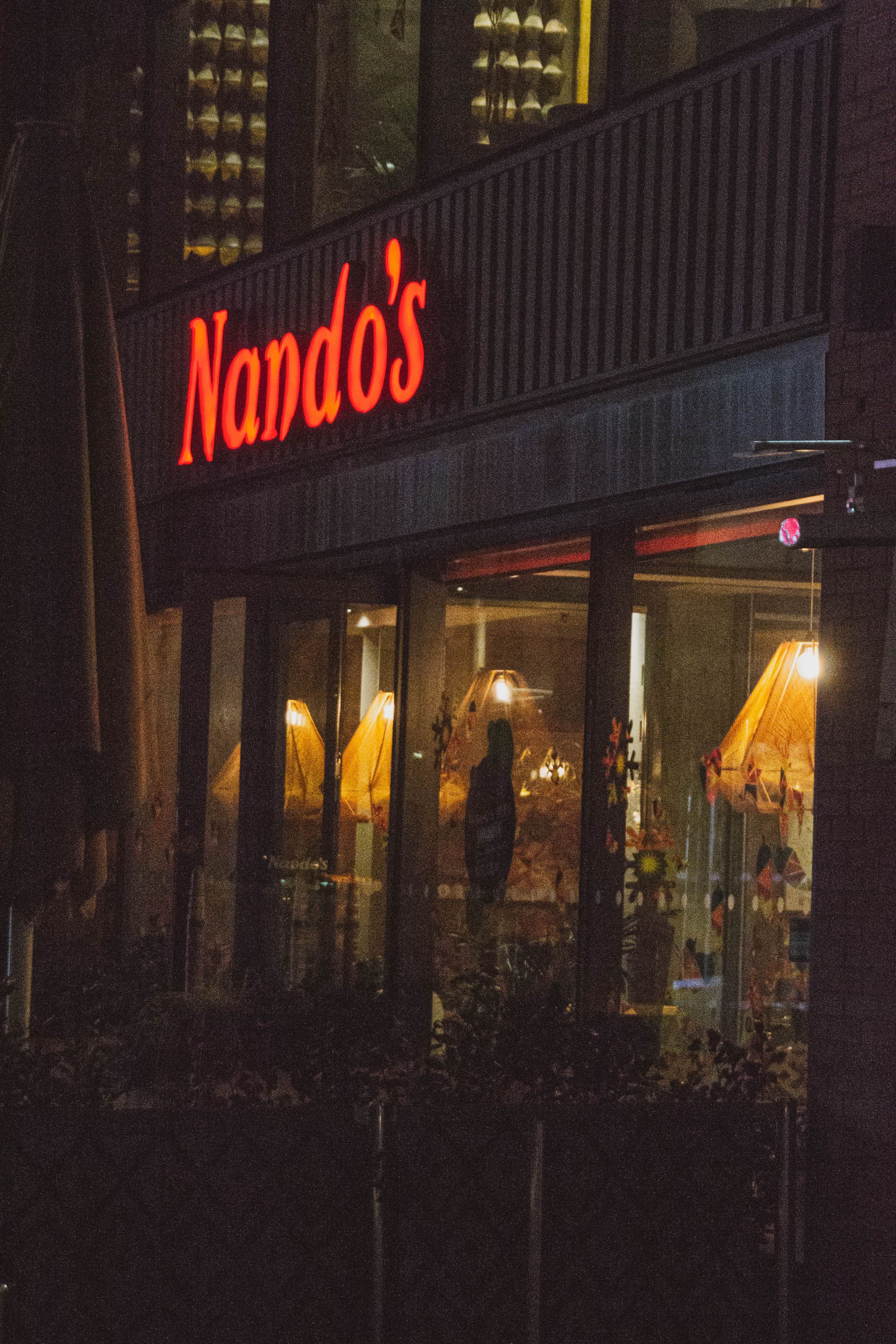
The best South African advertising has understood this operational reality and built around it. Nando’s constructed an entire brand voice around being topical and willing to say what other brands avoid, and its work has repeatedly become part of the national conversation because it reads the mood of the country rather than trying to manufacture one. That instinct, spotting the absurd in everyday life and turning it into something everyone recognises, is distinctly South African, and the work that lasts is the work that leans into it.
For communicators assessing whether their output will actually land, the practical question is not representation but relatability. There is no single South African audience: the country holds different languages, histories, traditions, identities and experiences, and what feels familiar to one person can be completely foreign to another. The instinct is often to solve that by making sure everyone is represented in the picture, but a campaign can feature people from every background and still feel like nobody in the room understands how South Africans actually live. Representation alone does not make communications relatable.
Relatability tends to sit in smaller places: a phrase, a family dynamic, a shared frustration, a particular behaviour. The detail that makes someone say, “That’s so South African.” Those details can travel across a divided audience precisely because they are specific. A generic message about unity does not necessarily survive contact with anyone’s actual life; a well-observed detail can. That means asking a harder question than whether the picture looks inclusive. Does this actually feel familiar? Does the language sound like something people would say? Does the situation feel observed, not invented?
This analysis was explored in a recent piece published at https://themediaonline.co.za/2026/09/south-africas-heritage-was-partly-written-by-advertisers/, which argues that the country’s heritage has been partly written by advertisers. The argument is straightforward: the lines, sounds, characters and jokes that communicators put into the world become part of people’s memories of a particular time in their lives, and sometimes part of the country’s collective memory. There is no need to manufacture heritage. It is already being made, in adverts and TikToks and schoolyards and everyday conversations, whether deliberately or not.
The job, then, is to pay close enough attention to the culture already happening to recognise it, and to make work specific enough that people choose to carry it forward themselves. The most enduring communications are those that audiences adopt, repeat and carry forward, turning campaigns into lasting parts of South African heritage. The best communication does not end when the campaign does. Sometimes it ends up in the language, sometimes in a joke, sometimes in a memory that outlives the product, the platform and the campaign that made it. Decades later, someone still knows exactly what you mean when you say: “It’s not inside. It’s on top.”