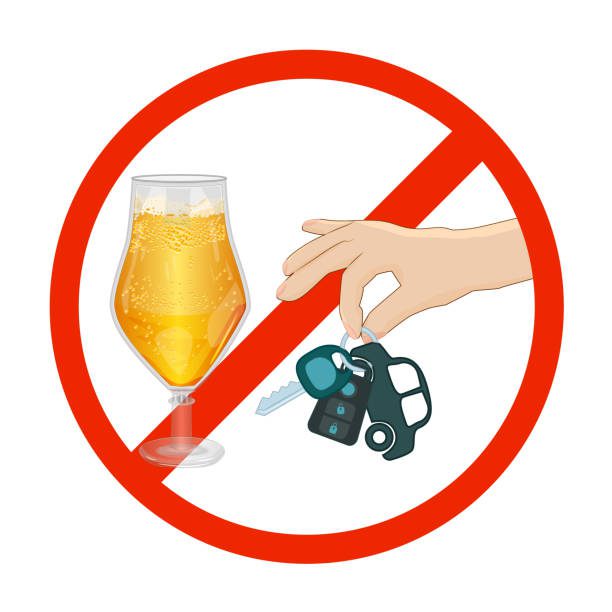
South Africa’s Transport Ministry has unveiled plans for a zero alcohol driving policy that would prohibit motorists from operating vehicles with any trace of alcohol in their system. The proposal, announced in Pretoria this week, marks a decisive shift toward stricter road safety laws as authorities seek to reduce fatalities linked to impaired driving.
The policy would amend the National Road Traffic Act by removing all permissible blood-alcohol limits, replacing them with a zero-tolerance standard. Officials say the move is intended to eliminate confusion, strengthen enforcement, and save lives on some of the country’s most dangerous roads.
What the Zero Alcohol Rule Would Change
Currently, South African law allows limited blood-alcohol levels depending on the type of driver and vehicle. The proposed zero alcohol rule would eliminate these distinctions entirely.
Under the new system:
- Any measurable alcohol level would be illegal
- All drivers would be treated equally under the law
- Enforcement would rely on a simple pass-or-fail standard
Transport officials argue that the change will make the law easier for motorists to understand and for police to enforce, reducing disputes over technical thresholds during roadside checks.
Why Authorities Say Zero Alcohol Is Necessary
Government officials say the proposal is driven by persistent evidence that alcohol remains a major contributor to serious road crashes.
According to transport department data, a significant proportion of fatal accidents involve drivers who had consumed alcohol, even when levels were below the current legal limit. Officials argue that impairment can begin after just one drink, particularly when combined with fatigue or speeding.
“Any amount of alcohol increases risk,” a senior transport official said. “Zero alcohol sends a clear message that driving is a responsibility that requires full alertness.”
Minister Emphasizes Public Safety Over Convenience
In announcing the policy, the Transport Minister emphasized that the zero alcohol approach prioritizes public safety rather than personal convenience.
“Our roads are shared spaces,” the minister said. “Pedestrians, cyclists, passengers, and other drivers all depend on the decisions made behind the wheel. Zero alcohol removes doubt and protects lives.”
The minister added that the current system, introduced decades ago, no longer reflects modern scientific understanding of impairment or the scale of South Africa’s road safety challenges.
How Enforcement Would Work Under Zero Alcohol
Enforcement of the zero alcohol rule would rely on expanded roadside testing and visible policing. Authorities plan to increase the number of random breath tests conducted nationwide, particularly during high-risk periods such as weekends and public holidays.
Planned measures include:
- More frequent roadblocks in urban and rural areas
- Improved breath-testing equipment for traffic officers
- Swift penalties for offenders, including licence suspension
Officials say enforcement will be paired with training to ensure accuracy and fairness in testing procedures.
Technology and Prevention Measures
Beyond roadside enforcement, the Department of Transport has indicated that technology may play a growing role in implementing the zero alcohol policy.
Proposals under consideration include:
- Breathalyser ignition systems in selected commercial vehicles
- Data-driven targeting of high-risk routes
- Integrated enforcement operations with provincial authorities
Officials say these measures would support the zero alcohol rule by preventing impaired driving before it happens.
Public Health and Road Safety Support
Public health experts have broadly welcomed the zero alcohol proposal, noting that traffic injuries place a heavy burden on hospitals and emergency services.
Medical professionals say reducing alcohol-related crashes would free up resources and prevent long-term disabilities caused by serious accidents. They argue that prevention is more effective than responding after harm has occurred.
Road safety advocates have also emphasized that zero alcohol laws simplify education campaigns by eliminating mixed messages about “safe” drinking limits.
Concerns and Calls for Balanced Implementation
Despite broad support, the proposal has sparked debate among civil society groups and industry representatives.
Some have raised concerns about:
- The availability of reliable public transport alternatives
- The economic impact on hospitality businesses
- The need for consistent enforcement across regions
Legal experts have also stressed the importance of due process, calling for calibrated testing equipment, clear appeal procedures, and safeguards against misuse of enforcement powers.
How South Africa Compares Globally
Several countries have adopted zero alcohol policies for specific groups such as young drivers or commercial operators. A smaller number have extended the rule to all motorists as part of comprehensive road safety strategies.
South African officials say international experience suggests that stricter alcohol laws can contribute to reduced crash rates when combined with education and enforcement. The proposed zero alcohol rule is framed as part of a broader effort to modernize road safety legislation.
Public Reaction to the Zero Alcohol Proposal
Public reaction has been mixed but active. Many South Africans have voiced support online, citing personal experiences with alcohol-related accidents and loss.
Others have urged the government to address additional factors such as road conditions, vehicle safety standards, and corruption within traffic enforcement. Authorities have acknowledged these concerns, stating that zero alcohol is one component of a multi-layered safety strategy.
What Happens Next
The zero alcohol proposal will proceed through legislative processes, including public consultation and parliamentary debate.
Expected next steps include:
- Drafting formal amendments to existing traffic laws
- Engaging stakeholders across transport, health, and industry sectors
- Launching public awareness campaigns ahead of implementation
Officials have not yet announced an implementation date, noting that readiness and public education will be critical to success.
Conclusion
The proposed zero alcohol driving rule represents a significant policy shift aimed at reducing South Africa’s high rate of road fatalities. By eliminating allowable alcohol limits, the government seeks to simplify enforcement, improve compliance, and reinforce the message that driving requires full attention and responsibility.
As the proposal moves forward, its effectiveness will depend on fair enforcement, public cooperation, and complementary measures that address the broader causes of road accidents. For now, the zero alcohol announcement signals a firm commitment to safer roads nationwide.