
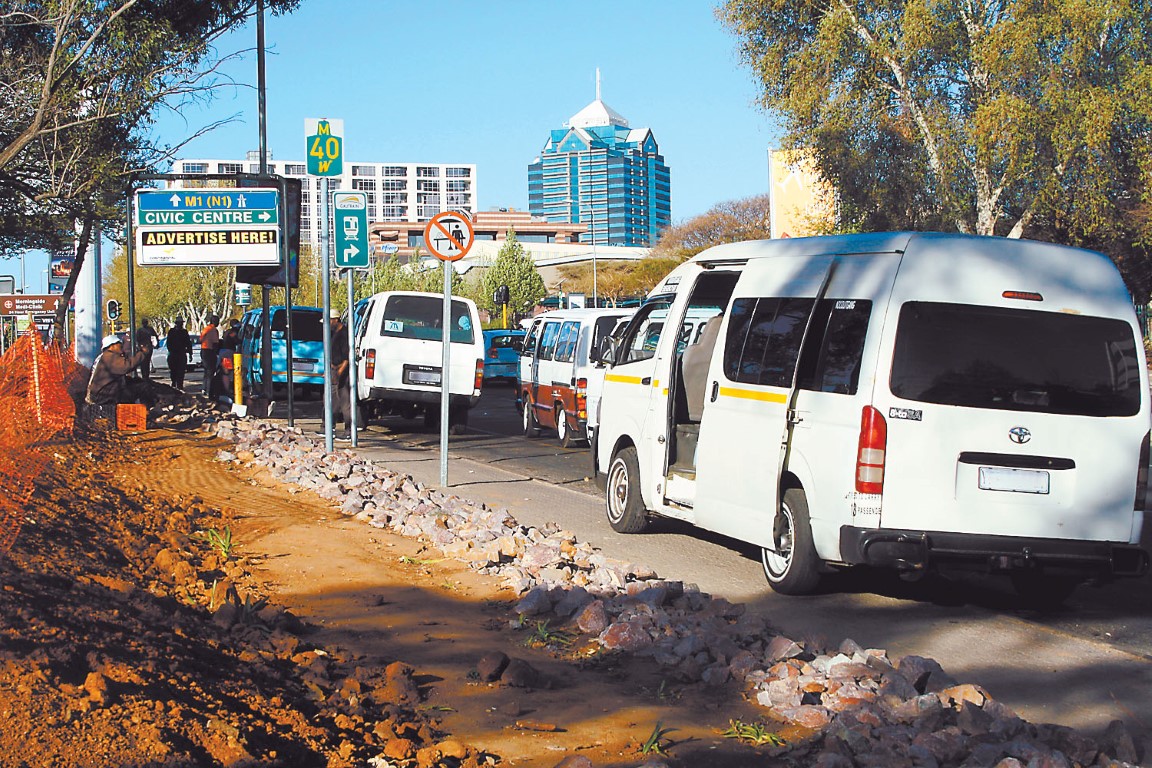
South Africans who rely on taxis for commuting are facing an unavoidable change as the National Taxi Alliance (NTA) announces that the taxi cost will increase by R6 per trip starting Wednesday. This adjustment comes in response to rising fuel prices and represents a critical shift for millions of daily commuters.
Unlike previous fare updates, this rise reflects broader economic pressures affecting transport operators across the country.
Economic Pressures Behind the Increase
The consistent rise in fuel prices has put taxi operators under immense financial strain. With fuel accounting for a major portion of operational costs, maintaining previous fare levels has become unsustainable. Additional factors contributing to the increase include:
- Vehicle maintenance and repairs
- Insurance and licensing fees
- Daily operating overheads and driver compensation
The NTA stresses that the R6 increase is a necessary step to ensure taxis continue to run safely and reliably, rather than a profit-driven measure.
How Commuters Will Be Affected
Though the increase may appear small on a per-trip basis, the impact on commuters adds up quickly:
- Two trips per day will cost an extra R12
- Weekly additional expense is approximately R60
- Over a month, commuters could pay R240 more
For families with multiple members using taxis, this represents a notable increase in household transport budgets. The rise has sparked concern among commuters, particularly those relying on taxis as their main mode of daily travel.
Regional Variations and Practical Implications
While the R6 increase is the standard guideline, regional variations may occur based on:
- Local taxi association policies
- Differences between urban and township routes
- Trip distances and travel frequency
Commuters are advised to check fares locally to understand the exact cost for their routes. The NTA has confirmed that the increase will begin nationwide on Wednesday.
Public Reaction and Strategies
The response from commuters has been mixed. Many acknowledge the necessity of the increase but are worried about affordability. Common adjustments being considered include:
- Carpooling to reduce travel costs
- Using available public transport alternatives
- Planning trips to minimize unnecessary travel
Despite these adaptations, taxis remain the most reliable option for many, particularly in areas where buses or trains are infrequent or unavailable.
Taxi Operators’ Perspective
Taxi operators defend the fare adjustment as essential. Rising fuel prices, combined with operational and maintenance costs, make it difficult to sustain services without a fare increase. The NTA emphasizes:
- Ensuring service reliability is the main goal
- Operators need to cover expenses to maintain safe vehicles
- Driver livelihoods depend on a sustainable fare structure
Operators stress that the adjustment ensures continuity of services rather than extra profit.
Broader Economic Considerations
Rising taxi costs have implications beyond daily commuting. Economists note:
- Increased commuting costs reduce disposable income for households
- Small businesses relying on taxis may see indirect costs rise
- Frequent fare adjustments can contribute to inflationary pressures
Experts recommend monitoring fare trends to maintain economic stability while supporting commuter access.
Alternative Transport Options
For some commuters, alternative methods may help mitigate the impact:
- Public buses or commuter trains, where available
- Ride-sharing or carpooling with colleagues
- Combining errands or trips to reduce daily expenses
However, due to limited coverage and frequency, taxis remain the primary travel option for many South Africans.
Future Outlook
With fuel prices remaining volatile, further fare increases are possible. Analysts suggest:
- Monitoring fuel trends closely
- Considering government support for public transport affordability
- Encouraging investment in fuel-efficient or alternative vehicles for taxis
The goal is to maintain a balance between commuter affordability and sustainable taxi operations
Conclusion
The upcoming R6 increase in taxi cost in South Africa demonstrates the direct link between fuel prices and everyday commuting expenses. While necessary for operators to maintain services, the increase adds financial pressure on households and highlights broader economic challenges.
Moving forward, finding a sustainable solution that ensures reliable, accessible, and affordable taxi services will require collaboration among operators, policymakers, and commuters alike.