

Introduction
In an era where public health and safety have become more important than ever, various roles that were once considered non-essential have now been redefined. This includes workers whose responsibilities range from ensuring maritime operations run smoothly to safeguarding beachgoers from potential shark attacks. News24 recently reported that port workers and shark-spotting lifeguards have officially been designated as “essential workers.” This designation is not just symbolic; it represents a strategic move in addressing critical areas of public safety and economic stability.
In this article, we will delve into the reasoning behind this decision, the impact it has on the workers involved, and the broader implications for communities, industries, and the economy. Additionally, we will explore how this change in status reflects the evolving understanding of essential services in the modern world.
For more: https://africaheritagevoice.com/
Port Workers: The Backbone of Maritime Trade and Economy
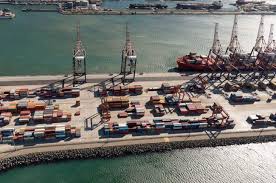
Port workers play a vital role in ensuring that global supply chains remain intact. From loading and unloading cargo to maintaining port infrastructure, these workers contribute significantly to the economy. Their designation as essential workers has been a long time coming, especially in light of the ongoing challenges posed by global crises, such as the COVID-19 pandemic.
Port Operations and Their Economic Importance
Ports are critical hubs for international trade. According to the International Maritime Organization (IMO), over 80% of global trade by volume is carried out by sea. Port workers ensure the smooth functioning of these maritime logistics chains by performing a wide range of tasks:
- Cargo Handling: Workers are responsible for managing the loading and unloading of containers, which may carry goods from all corners of the world. This task requires a combination of physical labor and technological expertise to ensure that shipments are moved safely and efficiently.
- Docking and Shipping Coordination: Port workers also help guide ships into docks, making sure they are safely moored and ready to unload or take on new goods.
- Safety and Security: Ports are major entry points for goods and people. Port workers ensure that safety standards are met, monitoring for hazards such as oil spills, fire risks, or security breaches.
Port Workers as Essential
In many countries, including South Africa and Australia, ports were classified as essential during the COVID-19 pandemic to maintain the flow of goods. This was especially crucial when lockdowns disrupted other parts of the economy. The designation highlighted the importance of port workers in safeguarding both local and global economies.
- Global Trade Continuity: Without port workers, the smooth flow of goods would come to a halt, causing widespread disruptions in supply chains. For instance, shortages of medical supplies or essential goods could lead to critical situations.
- Local Economic Stability: Many regions depend on ports for employment and economic stability. When port workers are given the essential worker status, it reinforces the importance of their role in sustaining local economies.
Shark-Spotting Lifeguards: Protecting Beachgoers from the Ocean’s Apex Predator
While ports serve as gateways for global trade, the safety of local beachgoers falls to another group of essential workers: shark-spotting lifeguards. These specialized lifeguards, who are trained to spot and warn the public of shark sightings, have recently been granted essential worker status in various coastal regions.
The Rise of Shark-Spotting Programs
Sharks are a natural predator of marine ecosystems, but the increasing frequency of shark sightings along popular beaches has led to the development of specialized lifeguard programs. These programs often rely on individuals with expert knowledge of sharks and their behavior. Shark-spotting lifeguards may utilize several methods to spot sharks, including:
- Aerial Surveillance: Drones and helicopters are sometimes employed to monitor the waters for shark sightings, providing a bird’s-eye view of the area.
- Spotter Towers: Strategically placed towers along the coast allow lifeguards to observe the waters, especially in areas known to be frequented by sharks.
- Training: Lifeguards are trained not only to identify sharks but also to assess whether the shark poses a danger to beachgoers. This includes understanding shark behavior, identifying different species, and knowing when to issue warnings or evacuate the beach.
Why Are Shark-Spotting Lifeguards Essential?
As tourism and beach activities increase, so too does the number of people exposed to potential shark attacks. While shark attacks are rare, they can have catastrophic consequences. In light of this, shark-spotting lifeguards have become crucial to maintaining public safety at beaches.
- Risk Mitigation: Shark-spotting lifeguards help mitigate the risk of shark attacks by issuing warnings and alerts to swimmers, surfers, and beachgoers. Their role ensures that appropriate measures can be taken to prevent tragic incidents.
- Tourism and Economy: Many beach destinations rely on tourism as a significant source of income. Shark-spotting lifeguards not only enhance public safety but also contribute to the ongoing appeal of beaches as safe places for recreation.
Impact of Designation: What It Means for Workers
Job Security and Public Recognition
For both port workers and shark-spotting lifeguards, being recognized as essential workers brings tangible benefits:
- Increased Job Security: Essential worker status often means that workers have more job security, especially during times of economic instability. In the case of port workers, this status ensures that their roles remain indispensable even during economic downturns or global crises.
- Public Recognition and Support: Many essential workers find their efforts acknowledged through public appreciation, higher wages, and improved working conditions. This recognition serves to highlight the importance of their roles and the critical services they provide.
Training and Professional Development
With the new designation, both port workers and shark-spotting lifeguards may see enhanced opportunities for professional development. For example:
- Port workers might receive additional training in areas like digital logistics management or advanced safety protocols, ensuring they remain equipped to handle evolving demands in the maritime industry.
- Shark-spotting lifeguards may undergo further training in oceanography, shark behavior, and emergency response, enhancing their ability to protect beachgoers effectively.
Challenges and Solutions
While the designation of essential status brings numerous benefits, there are also challenges that come with the territory:
- Safety Risks: Both port workers and shark-spotting lifeguards work in potentially hazardous environments. For port workers, this may involve operating heavy machinery or handling dangerous materials, while for lifeguards, it includes working in dynamic ocean conditions where sharks may pose a threat.
- High Demand and Fatigue: In times of crisis or high season, the demand for essential services may surge. For port workers, this could mean working longer shifts to meet the increased need for logistics management. For lifeguards, it could result in heightened pressure to maintain constant vigilance.
Solutions
- Better Training Programs: Continuous training is essential to equip workers with the skills and knowledge they need to stay safe and effective on the job.
- Enhanced Technology: In the case of shark-spotting lifeguards, the integration of drones, smart sensors, and AI can help reduce the manual labor involved in spotting sharks and increase accuracy.
A Shift in Perspective on Essential Work
The designation of port workers and shark-spotting lifeguards as essential is a reflection of a broader societal shift in understanding the roles that are vital to our safety and well-being. While these workers may not have always been recognized for their critical contributions, recent events have underscored the need for their skills and expertise. As the world navigates new challenges, it’s clear that many jobs once considered “background” are now acknowledged as indispensable.
This shift in perspective is not just about recognizing the importance of these workers but also about ensuring that they are provided with the support, recognition, and protection they deserve. Ultimately, the role of port workers and shark-spotting lifeguards extends far beyond the workplace—it is a cornerstone of public safety, economic stability, and community well-being.
The Importance of Designating Port Workers as Essential
In the modern global economy, ports are not just maritime hubs but the very lifeblood of international trade. They serve as key entry and exit points for goods, ranging from raw materials to finished products, that fuel industries and economies around the world. In light of recent global disruptions such as the COVID-19 pandemic, the designation of port workers as essential has gained significant attention. This decision, while perhaps long overdue, underscores the critical role these workers play in maintaining the flow of global trade, ensuring national economic stability, and safeguarding public safety.
The Vital Role of Port Workers in the Global Supply Chain
Ports are integral to the functioning of the global supply chain. Over 80% of international trade by volume is conducted by sea, according to the International Maritime Organization (IMO). Port workers are responsible for the operational efficiency that enables this colossal system to function smoothly. They are involved in a variety of tasks, including unloading and loading cargo, managing logistics, overseeing security, and maintaining port infrastructure. Without them, the flow of goods would grind to a halt, leading to a series of consequences that would ripple across industries worldwide.
During the COVID-19 pandemic, the essential status of port workers was tested like never before. While many sectors shut down or scaled back their operations, ports were considered lifelines for the continuation of trade. From the transportation of medical supplies to the delivery of food and fuel, port workers played an indispensable role in ensuring that the necessary goods were delivered despite the chaos around them.
The Economic Impact of Port Worker Designation
The decision to designate port workers as essential carries immense economic ramifications. Ports are crucial to the economic stability of many countries. In fact, port activity represents a significant portion of GDP for several nations, especially those with large coastal economies. In the United States alone, port-related jobs contribute over $5 trillion to the economy annually, according to the American Association of Port Authorities (AAPA).
For countries with an economic reliance on exports and imports, port workers serve as a crucial line of defense against economic decline. Whether it’s oil, food, electronics, or consumer goods, the transport of products via ports is central to industries ranging from manufacturing to retail. Without port workers, the supply chain would face significant bottlenecks, leading to shortages, higher costs, and even inflation. For example, when the Suez Canal was blocked in 2021 by the Ever Given ship, the global economy felt the shockwaves. The blockage delayed billions of dollars’ worth of goods, highlighting just how fragile the global supply chain can be.
In this context, the designation of port workers as essential ensures that the flow of goods continues uninterrupted. It also guarantees the stability of employment in these critical industries, offering job security to workers who are the backbone of the supply chain. It recognizes that their roles are not merely routine tasks, but rather positions that safeguard the health of national and global economies.
Job Security and Workforce Stability
One of the immediate benefits of recognizing port workers as essential is the increase in job security. During times of crisis, many sectors experience layoffs, furloughs, or pay cuts. However, when port workers are classified as essential, their roles are deemed indispensable, and governments may provide protections that prevent layoffs or disruptions in employment. This designation not only ensures that operations continue smoothly, but it also provides stability for workers who often face physically demanding and dangerous jobs.
Furthermore, designating port workers as essential gives workers the recognition they deserve. Historically, many people have underestimated the importance of port workers, assuming that their tasks, such as unloading containers or maintaining docks, are menial or routine. However, these workers are highly skilled, often working with complex machinery or managing the movement of hazardous materials. In an age where digital technologies are also increasingly integrated into port operations, workers are expected to be proficient with advanced systems and logistics platforms, which require specialized training.
Through the essential worker designation, there is greater recognition of the skill and expertise that port workers bring to the table. This recognition can lead to better pay, more training opportunities, and improved working conditions, all of which contribute to better job satisfaction and performance. The workers, in turn, become more motivated to contribute to the success of their roles, knowing that their efforts are valued.
Public Health and Safety
Beyond economics, the designation of port workers as essential is crucial for public health and safety. Ports are not just places for trade; they are also gateways through which goods, people, and services enter a country. This includes essential items such as food, medical supplies, and vaccines. In a global health crisis, the smooth functioning of ports becomes even more critical.
During the COVID-19 pandemic, port workers helped facilitate the shipment of medical supplies and personal protective equipment (PPE) to countries in need. They also helped in the distribution of vaccines and other critical health supplies. Without the ongoing work of these essential workers, many countries would have struggled to access these life-saving supplies.
In addition to health supplies, ports also play an essential role in national security. Workers involved in port security are tasked with monitoring cargo, preventing the smuggling of illegal goods, and ensuring that ships and containers are free of harmful substances. Their vigilance prevents risks such as biosecurity threats, criminal activities, and environmental hazards, thereby contributing to national security.
The essential worker status not only emphasizes the importance of these tasks but also signals that the public health infrastructure cannot function without the active participation of port workers. Whether it’s ensuring that food supplies are delivered to grocery stores or that vaccines reach healthcare centers, the role of port workers directly impacts the wellbeing of the population.
Sustainability and Environmental Considerations
Another important aspect of the essential designation for port workers is its connection to sustainability and environmental responsibility. Ports are vital points for the transportation of goods, and many of these goods are raw materials that are used to produce energy, build infrastructure, or create products that people rely on daily. As demand for goods continues to rise globally, there has also been an increasing push for sustainability in the maritime sector. This involves finding ways to reduce the environmental impact of shipping, improving the energy efficiency of port operations, and investing in green technologies.
Port workers are on the frontlines of these changes, and their role in facilitating the transition to more sustainable practices is indispensable. They are involved in the operation and maintenance of eco-friendly machinery, including electric cranes, cleaner shipping practices, and waste management systems that reduce pollution. Port workers also help implement policies related to carbon emissions reductions, environmental monitoring, and compliance with international environmental standards.
By recognizing port workers as essential, it becomes easier to prioritize investments in sustainability. These investments can come in the form of training programs that teach workers how to use new green technologies, better working conditions, or the development of green port infrastructure. This forward-thinking approach allows ports to evolve in a way that supports long-term environmental goals while continuing to meet the demands of global trade.
Technological Advancement and Future Prospects
The world of port operations is undergoing rapid technological transformation. Automation, artificial intelligence (AI), and digital logistics platforms are changing the way ports operate. These innovations streamline processes, enhance efficiency, and reduce human error. However, these technological advancements also require a highly skilled workforce that can adapt to and manage these new tools. Port workers are not just unloading containers; they are now engaging with cutting-edge technology to ensure that shipments are processed quickly, safely, and accurately.
By designating port workers as essential, governments and businesses acknowledge the need for a workforce that is constantly evolving alongside technological advancements. This recognition can lead to more investments in training and development programs, allowing port workers to acquire the necessary skills to work with AI, robotics, and other advanced technologies. It also creates pathways for career growth within the maritime industry, as workers are given the opportunity to specialize in emerging fields.
As automation continues to reshape the industry, workers can also transition into roles that focus on overseeing automated systems, managing data, and ensuring that technology is used effectively. The essential worker designation helps position port workers as central figures in this transition, ensuring that they remain a key component of the industry as it evolves.
Conclusion: The Need for Continued Support and Investment
The designation of port workers as essential is not merely a temporary measure but a recognition of the long-term importance of their roles. Whether it’s keeping trade flowing, ensuring public safety, or embracing the green transition, port workers are integral to the well-being of both local communities and the global economy. As the world continues to face economic and environmental challenges, investing in port infrastructure and the workers who operate them will be crucial for ensuring that the global supply chain remains resilient and adaptive to future crises.
By continuing to provide support, training, and recognition for these essential workers, governments and businesses can help maintain the efficiency and sustainability of ports for generations to come. The decision to designate port workers as essential is not just about economic necessity—it’s about safeguarding the future of global trade, public health, and environmental sustainability.
Ask ChatGPT
External Links:
- International Maritime Organization (IMO) – Maritime Trade Statistics
- Shark Spotters – South Africa’s Shark Safety Program
- World Health Organization – The Importance of Essential Workers
Table of Contents
The post by: https://feeds.capi24.com