
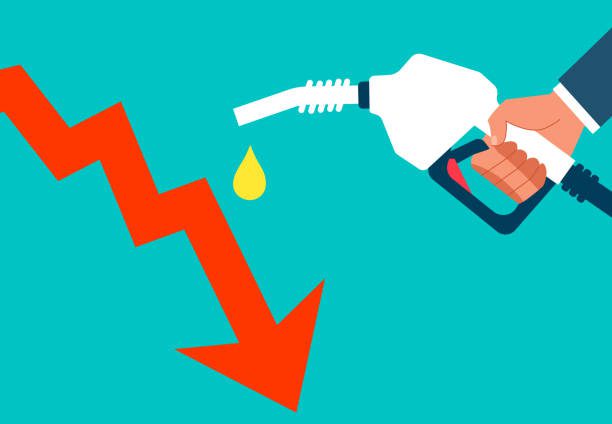
Petrol cuts have been officially confirmed for January 2026, providing much-needed relief to South African motorists after a prolonged period of high fuel prices. The reduction comes at a critical time, as households and businesses continue to face rising living and operating costs, with fuel remaining one of the most visible and influential expenses in the economy.
The January petrol cuts follow sustained improvements in global oil prices and a stronger South African rand, factors that directly influence the country’s regulated fuel pricing mechanism. Analysts describe the development as one of the most significant positive economic signals heading into the new year.
Fuel Price Changes Set for Early January
Fuel prices in South Africa are adjusted monthly and take effect on the first Wednesday of each month. For January 2026, fuel price data confirms a downward adjustment across several fuel categories.
Key expectations include:
- Lower petrol prices for both inland and coastal regions
- Larger diesel price reductions, especially for wholesale and commercial users
- Reduced illuminating paraffin prices, offering relief to lower-income households
Although final per-litre figures are announced shortly before implementation, the direction of change has been firmly established as a decrease.
Why Petrol Prices Are Coming Down
The confirmed petrol cuts are the result of multiple favourable factors aligning during the December pricing window.
Strengthening of the Rand
The South African rand showed improved performance against the US dollar toward the end of 2025. Since fuel imports are priced in dollars, a stronger rand reduces the cost of importing both crude oil and refined fuel products.
Even small currency gains can significantly affect fuel prices, making exchange rate stability a critical driver of January’s petrol cuts.
Decline in Global Oil Prices
International crude oil prices softened amid stable supply conditions and slower demand growth in major economies. Reduced geopolitical risk premiums and steady production levels helped push prices lower, directly affecting South Africa’s Basic Fuel Price component.
Positive Over-Recovery Data
Fuel price over-recoveries were recorded during December, meaning local pump prices exceeded actual import costs. These over-recoveries created room for petrol cuts without disrupting the pricing formula.
Impact on Motorists
For motorists, the petrol cuts translate into immediate savings at the pump. A reduction of even a few cents per litre can result in noticeable monthly savings, particularly for drivers who commute daily or travel long distances.
Private vehicle owners, ride-hailing drivers, delivery couriers, and self-employed professionals who rely heavily on transport are expected to feel the benefits quickly once the new prices take effect.
Relief for Transport-Dependent Businesses
Fuel costs are a major operating expense for many businesses, particularly those in transport, logistics, and agriculture. Diesel price reductions associated with the petrol cuts are expected to provide meaningful relief to these sectors.
Lower fuel costs can help businesses:
- Stabilise operating expenses
- Improve profit margins
- Avoid passing cost increases on to consumers
Industry analysts suggest that reduced transport costs could also support supply chain stability in early 2026.
Economic and Inflation Implications
Fuel prices play a significant role in shaping inflation trends. When fuel costs rise, transport and production expenses increase across the economy, pushing up the prices of goods and services.
Economists note that petrol cuts often contribute to:
- Lower transport inflation
- Reduced pressure on food prices
- Improved household purchasing power
- Greater economic stability
The January reduction is expected to support a more balanced inflation outlook during the first quarter of 2026.
Reaction from Financial Platforms and Analysts
Financial platforms and economic commentators have identified the petrol cuts as a top economic trend for early 2026. Analysts highlight fuel relief as a critical factor in easing cost-of-living pressures and supporting consumer confidence.
Market sentiment has been cautiously optimistic, with experts noting that lower fuel prices can provide short-term economic support if global conditions remain stable.
Government and Regulatory Perspective
South Africa’s fuel pricing system is governed by a transparent and regulated framework designed to reflect international market conditions. Authorities have reiterated that fuel price adjustments are data-driven rather than discretionary.
The January petrol cuts demonstrate how favourable movements in oil prices and exchange rates are passed on to consumers through the pricing mechanism.
What Could Change the Outlook
Despite the positive adjustment, analysts caution that fuel prices remain inherently volatile. Several factors could affect prices in the months ahead, including:
- Geopolitical tensions affecting oil supply
- Sudden changes in global demand
- Currency market instability
Any of these developments could influence future fuel price adjustments.
What to Watch After January
As the new year begins, analysts will monitor whether the downward trend in fuel prices can continue into February and beyond. Key indicators include global oil price movements, exchange rate performance, and international energy policy developments.
Sustained stability in these areas would improve the likelihood of continued fuel relief.
Public Response and Consumer Confidence
Fuel prices are one of the most closely watched indicators of economic health among consumers. Early reaction to the confirmed petrol cuts has been positive, with many motorists expressing cautious optimism about the year ahead.
Consumer confidence often improves following fuel price reductions, particularly when they occur early in the year.
Conclusion
The confirmation of petrol cuts for January 2026 marks a positive turning point for South African motorists and businesses. With fuel prices set to decline, households can expect immediate financial relief, while the broader economy benefits from reduced cost pressures.
Although uncertainties remain in global energy markets, the January petrol cuts provide a welcome and confidence-boosting start to 2026.