
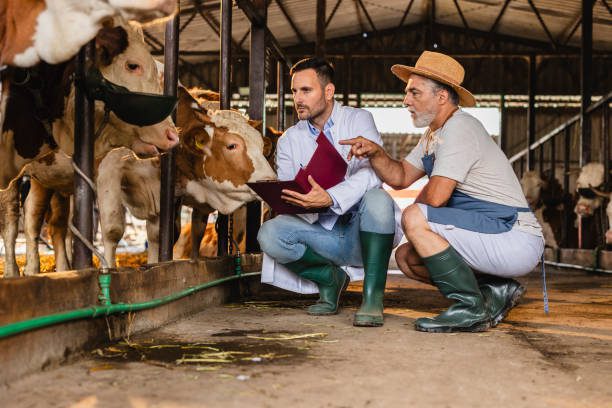
KwaZulu-Natal, South Africa — A widespread foot disease outbreak has prompted emergency measures across KwaZulu-Natal (KZN), affecting over 17,000 farms and threatening the province’s livestock industry. The outbreak, identified as foot-and-mouth disease (FMD), has infected 70% to 90% of herds in some areas, leaving farmers struggling to protect their animals and sustain their livelihoods.
“Our entire herd is at risk. We are doing everything we can, but the scale of this outbreak is overwhelming,” said farmer Lindiwe Zulu from northern KZN.
The outbreak has put pressure on government authorities, rural communities, and the agricultural sector to implement immediate containment measures.
What Happened?
Foot-and-mouth disease is a highly contagious viral infection that affects cloven-hoofed animals such as cattle, sheep, goats, and pigs. In KwaZulu-Natal, the outbreak has spread rapidly due to livestock movement and close proximity of farms.
Authorities have reported:
- 17,000+ farms affected
- Herd infection rates of 70%–90%
- Quarantine zones enforced in multiple districts
- Restrictions on livestock transport and sales
These measures aim to prevent the disease from spreading further across the province and into neighboring regions.
Government Response
The South African Department of Agriculture, Land Reform, and Rural Development has classified the outbreak as a national concern. Measures include:
- Emergency vaccination campaigns for at-risk herds
- Strict quarantine and movement control enforcement
- Increased veterinary support and monitoring teams
- Public awareness campaigns on biosecurity
Dr. Themba Zulu, spokesperson for the KZN Department of Agriculture, emphasized:
“We are treating this outbreak with urgency. Our priority is to contain the disease, support affected farmers, and minimize economic losses.”
Authorities are coordinating with farmer associations, rural municipalities, and veterinary experts to ensure compliance and provide assistance to struggling farmers.
Impact on KZN Farms
The foot disease outbreak has devastated livestock, with many farmers forced to cull infected animals. The consequences include:
- Loss of primary income for households dependent on livestock
- Disruption of meat and dairy supply chains
- Potential restrictions on exports due to international FMD regulations
- Financial stress from veterinary care, restocking, and biosecurity implementation
Smallholder farms, which make up a large portion of KZN’s agricultural sector, are particularly vulnerable to the economic fallout.
Community and Farmer Reactions
Farmers have shared their stories on social media to raise awareness and appeal for urgent government intervention. Hashtags like #FootDiseaseKZN and #SaveOurFarms have drawn national attention to the crisis.
“We are losing generations of work,” said Sipho Nkosi, a farmer in northern KZN. “Immediate government support is our only hope.”
Local communities are organizing aid for affected households, including food relief and veterinary support, to mitigate the human impact of the outbreak.
Containment Challenges
Containing foot disease presents multiple challenges:
- High-density farming areas facilitate rapid viral spread
- Inadequate rural veterinary infrastructure
- Limited access to vaccines in remote regions
- Risk of disease spreading to neighboring provinces
Government teams are emphasizing strict biosecurity practices such as disinfecting vehicles, limiting farm visits, isolating infected herds, and monitoring compliance with quarantine regulations.
National Alert and Broader Implications
The Department of Agriculture has issued a national alert, urging farmers outside KZN to remain vigilant. Authorities are concerned about the potential spread of the disease to other provinces and its impact on the country’s agricultural exports.
Analysts warn that prolonged outbreaks could have:
- Severe economic consequences for the livestock sector
- Rising meat and dairy prices in local markets
- Increased financial strain on smallholder farmers
Looking Ahead
Recovery from the foot disease outbreak will require sustained efforts from government, communities, and farmers:
- Continued vaccination and monitoring
- Financial support and compensation for affected farmers
- Long-term biosecurity training and infrastructure investment
- Community support to restore rural livelihoods
Early intervention, combined with collaboration across all levels, will determine the speed and effectiveness of recovery for KZN farms.
Conclusion
The foot disease outbreak in KwaZulu-Natal has emerged as a critical crisis for South Africa’s livestock industry, affecting over 17,000 farms and leaving herds, incomes, and livelihoods at risk. Emergency government measures, including vaccination campaigns, quarantine enforcement, and rural support programs, are underway to contain the outbreak and limit further devastation.
The situation underscores the vulnerability of the agricultural sector to contagious diseases and highlights the urgent need for preparedness, rapid response, and coordinated action to protect South Africa’s farmers and food security.