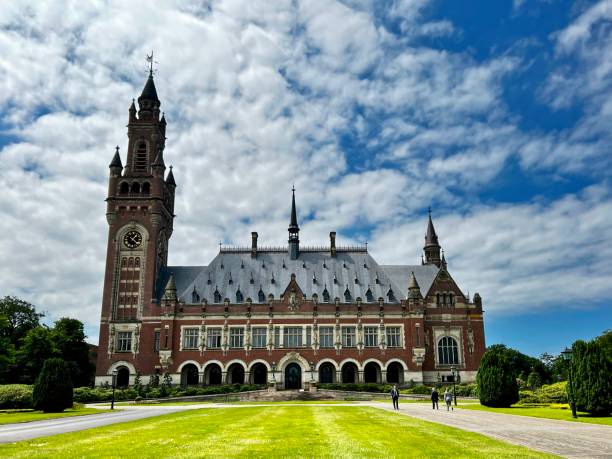
Belgium Intervention at the International Court of Justice has intensified the legal and political stakes of South Africa’s genocide case against Israel, signaling a growing rift within Europe over how the Gaza conflict should be addressed.
Belgium formally submitted a declaration of intervention to the UN’s top court in The Hague, aligning itself with South Africa’s legal action under the 1948 Genocide Convention. The move adds diplomatic momentum to a case that has already drawn worldwide attention and triggered sharp debate among governments, legal experts, and human rights organizations.
South Africa initiated the proceedings in late 2023, accusing Israel of committing acts prohibited under international law during its military operations in Gaza. Israel has consistently rejected the claims, arguing that the case distorts international law and ignores its right to self-defense.
Why Belgium Decided to Intervene
Belgium’s government framed its decision as a matter of legal responsibility rather than political alignment. Officials stated that, as a signatory to the Genocide Convention, Belgium has an obligation to ensure that the treaty is properly interpreted and upheld.
Under Article 63 of the ICJ Statute, any state party to a treaty being interpreted by the court may intervene in proceedings. Belgium’s intervention allows it to submit legal observations on how genocide should be defined and assessed, without formally becoming a party to the dispute.
Legal analysts say this step gives Belgium a direct role in shaping the court’s interpretation of one of international law’s most serious crimes.
The European Political Context
The Belgium intervention comes amid widening divisions within the European Union over the Gaza war. While some EU member states have voiced strong concern over civilian casualties and humanitarian conditions, others have prioritized diplomatic and security ties with Israel.
Belgium has been among the more outspoken European governments in calling for adherence to international humanitarian law. Its intervention reflects growing pressure from lawmakers, civil society groups, and voters demanding stronger accountability mechanisms.
The move contrasts with the more cautious approach taken by some other European capitals, highlighting the lack of a unified EU position on the conflict.
Reaction Within Belgium
Domestically, Belgium’s decision has sparked intense debate. Human rights organizations and legal advocacy groups welcomed the intervention, calling it a principled stand in defense of international law.
However, some political parties and community organizations expressed concern, warning that the move could inflame tensions and negatively affect Belgium’s diplomatic relations with Israel and its allies.
The government has defended its position, emphasizing that participation in ICJ proceedings does not equate to hostility toward any state but reflects a commitment to legal norms.
How the Intervention Strengthens the Case
Although Belgium is not presenting evidence against Israel directly, its legal submissions may influence how the court interprets key elements of the Genocide Convention, including:
- The threshold for genocidal intent
- State obligations to prevent genocide
- The relevance of official statements and military conduct
Experts note that multiple interventions can significantly shape the court’s reasoning, particularly in cases involving complex legal standards.
The Belgium intervention therefore adds institutional weight to South Africa’s arguments and increases scrutiny on the legal framework governing the Gaza conflict.
Israel’s Response to Growing Interventions
Israel has strongly criticized the growing number of countries intervening in the case, arguing that the proceedings are being used to delegitimize its right to defend itself.
Israeli officials maintain that their military operations are directed at militant groups and that civilian harm is neither intentional nor indicative of genocidal conduct.
They have also warned that politicizing international courts could undermine their credibility and effectiveness.
Broader International Implications
Belgium’s move follows similar actions or announcements by other states across Europe, Latin America, and the Middle East. The expanding international participation suggests that the case is evolving beyond a bilateral dispute into a global legal test.
Diplomats say the outcome could influence future cases involving armed conflict, particularly regarding how humanitarian law is applied in densely populated areas.
The Belgium intervention underscores the increasing role of legal institutions in shaping international responses to war.
What Happens Next at the ICJ
The International Court of Justice will continue to review written submissions from South Africa, Israel, and intervening states. Additional hearings may be scheduled as the case progresses.
Earlier, the court issued provisional measures calling for steps to prevent acts prohibited under the Genocide Convention and to improve humanitarian conditions in Gaza.
Belgium will now participate in subsequent procedural stages, contributing its legal interpretation to the court’s deliberations.
Why This Matters for Europe
For Europe, the case represents more than a legal dispute. It raises fundamental questions about:
- The EU’s commitment to international law
- Consistency in foreign policy
- The balance between legal principles and strategic alliances
Belgium’s intervention may encourage other European states to reconsider their positions or adopt stronger legal stances.
Conclusion
Belgium Intervention at the International Court of Justice marks a significant escalation in South Africa’s genocide case against Israel, deepening legal scrutiny and exposing political fractures across Europe.
As the case continues, Belgium’s participation highlights a broader shift toward legal accountability as a tool of international diplomacy. Whether the court ultimately rules in favor of South Africa or not, the intervention ensures that the Gaza conflict will remain under intense legal and global examination.