
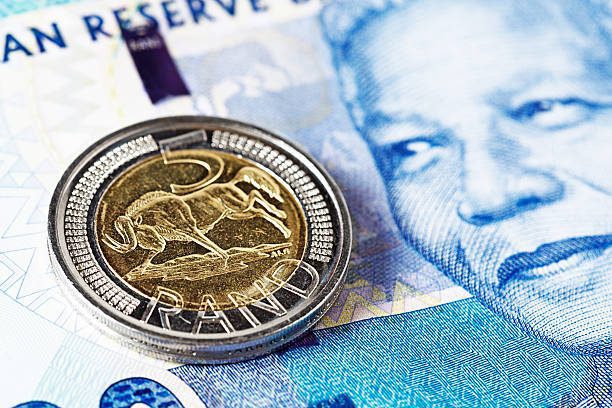
South Africa Rand performance has stood out in recent months, strengthening even as the domestic economy continues to underperform. With growth constrained by structural challenges and electricity shortages, the currency’s resilience has raised questions among analysts and investors alike.
Rather than reflecting economic expansion, the rand’s gains are being driven by market dynamics, global capital flows, and South Africa’s relative attractiveness to investors seeking yield and stability.
Why the South Africa Rand Is Defying the Economy
Currency markets often operate independently of short-term economic performance. Instead, they respond to financial incentives, risk-adjusted returns, and policy credibility.
In South Africa’s case, the rand is benefiting from factors that matter most to global investors, even as domestic growth remains subdued.
These include favourable interest rate differentials, predictable monetary policy, and improved confidence in fiscal management.
Yield Advantage Draws Foreign Capital
One of the most important drivers behind South Africa rand strength is the country’s yield advantage.
South Africa continues to offer higher real interest rates than many emerging-market peers, making its bonds and money-market instruments attractive to global investors.
As inflation moderates, real yields remain positive, encouraging foreign inflows that directly support the currency. This yield-driven demand has helped insulate the rand from weak domestic economic data.
Capital Flows Matter More Than Growth Data
In currency markets, capital flows often outweigh economic fundamentals in the short to medium term.
Foreign investors allocating funds to South African assets must first buy rands, increasing demand for the currency. As long as these inflows remain stable, the rand can strengthen even when GDP growth is limited.
This explains why the South Africa rand has performed better than economic indicators might suggest.
Monetary Policy Credibility Supports the Rand
Investor confidence in South Africa rand assets is also underpinned by the credibility of the South African Reserve Bank.
The SARB’s consistent commitment to inflation targeting and its independence from political interference have reassured markets. Investors view this institutional stability as a safeguard against policy surprises.
This confidence reduces risk premiums and strengthens demand for rand-denominated investments.
Global Risk Appetite Is Helping Emerging Markets
The broader global environment has also supported the South Africa rand.
As inflation pressures ease in advanced economies, expectations of lower interest rates in the United States have improved global risk sentiment. When investors become more comfortable taking on risk, emerging-market currencies typically benefit.
The rand, which is highly liquid and actively traded, often acts as a proxy for emerging-market risk, amplifying its response to improved global sentiment.
Weak Growth Does Not Automatically Hurt the Rand
South Africa’s economy continues to face challenges, including:
- Electricity supply constraints
- Infrastructure bottlenecks
- Low investment levels
- High unemployment
However, weak growth does not necessarily translate into a weaker currency, particularly when financial conditions remain supportive.
Markets are forward-looking and often prioritise financial stability and policy consistency over current growth performance.
How the South Africa Rand Compares to Peers
Compared to other emerging-market currencies, the South Africa rand has benefited from relatively transparent institutions and deep financial markets.
While many peers face political uncertainty or weaker policy frameworks, South Africa’s financial architecture remains robust. This comparative advantage has helped attract capital, even amid domestic economic challenges.
Risks That Could Reverse Rand Gains
Despite its resilience, the South Africa rand remains vulnerable to sudden shifts in sentiment.
Key risks include:
- Renewed global market volatility
- Sharp declines in commodity prices
- Fiscal slippage or reform delays
- Domestic supply shocks
Because the rand is highly liquid, it can also weaken quickly when global risk appetite deteriorates.
What Investors Are Watching Now
Looking ahead, investors are closely monitoring several factors that will shape the outlook for the South Africa rand.
These include:
- Government budget performance
- Structural reform progress
- SARB policy signals
- US interest rate developments
Any negative surprises in these areas could quickly affect capital flows and currency performance.
Can the South Africa Rand Stay Strong?
Analysts caution that sustained rand strength will ultimately depend on whether financial stability is matched by improved economic fundamentals.
While capital inflows and yield advantages can support the currency for extended periods, long-term stability requires stronger growth, higher productivity, and reliable infrastructure.
Without these improvements, rand strength may remain vulnerable to external shocks.
Conclusion
The South Africa rand has defied expectations by strengthening despite weak economic growth, supported by attractive yields, strong policy credibility, and favourable global conditions. Capital flows and investor confidence have proven more influential than domestic output data.
While risks remain and structural challenges persist, the rand’s recent performance highlights how global markets often prioritise stability, returns, and predictability over short-term economic weakness.