
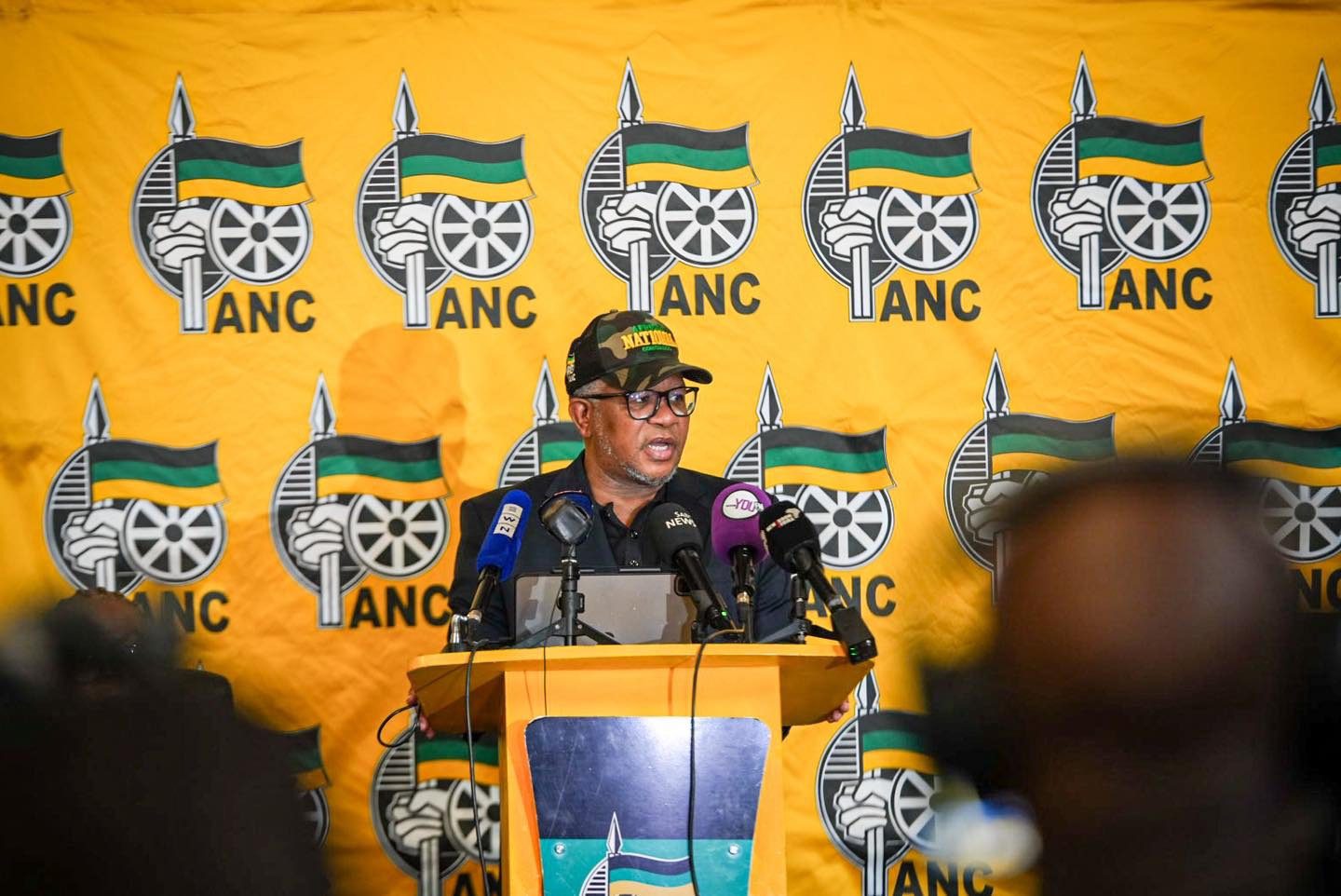
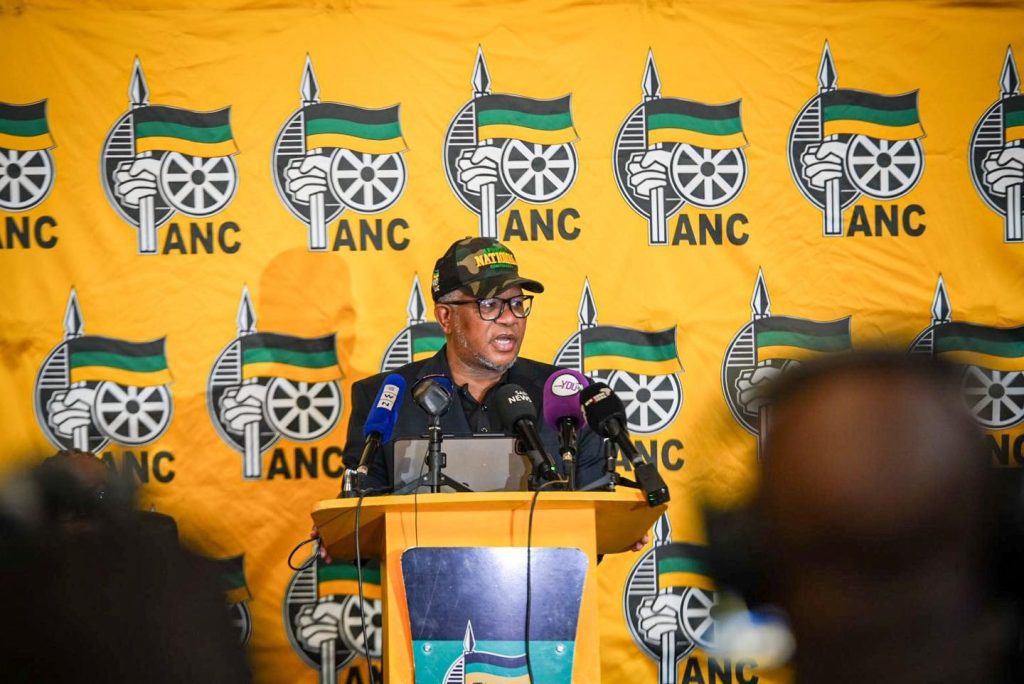
The Democratic Alliance (DA) has publicly raised concerns, issuing a DA accusation against the African National Congress (ANC) for perceived double standards in its foreign policy. The opposition party specifically criticized the ruling party’s response to United States actions in Venezuela, labeling it inconsistent and politically motivated. Analysts suggest that this dispute could significantly influence both South Africa’s domestic politics and its international credibility.
The issue gained traction after statements from DA leader John Steenhuisen, who highlighted selective condemnation as a threat to the integrity of South Africa’s foreign policy.
What the DA Accusation Entails
The DA accusation centers on the ANC’s reaction—or lack thereof—to US involvement in Venezuela, compared to the party’s responses to other global conflicts. Steenhuisen emphasized that such selective stances may reflect political convenience rather than principled foreign policy decisions.
“South Africans deserve transparency and consistency. Our government cannot pick and choose when to condemn international events based on political interests,” he said during a press briefing.
The DA also released documentation comparing statements made by the ANC regarding other international conflicts, which analysts say strengthens their argument about selective engagement.
Political Context
The ANC, South Africa’s ruling party since 1994, has maintained a nuanced approach to international relations, often emphasizing diplomacy over direct condemnation. While the ANC has historically positioned itself as a defender of human rights globally, critics argue that it occasionally applies different standards depending on political or economic interests.
The DA’s focus on Venezuela aims to highlight this inconsistency and pressure the ANC to clarify its foreign policy positions.
ANC’s Position on the DA Accusation
Party insiders indicate that the ANC views the DA’s claims as politically motivated. A senior ANC spokesperson stated:
“South Africa’s foreign policy is deliberate and strategic. We do not react hastily, and our approach is always measured to safeguard national interests and maintain diplomatic relations.”
Despite this, the DA’s accusation has fueled widespread debate, prompting political analysts to examine the ANC’s international credibility and consistency.
Expert Opinions on the DA Accusation
Political analysts and academics have weighed in on the situation. Dr. Tandiwe Ndlovu, a lecturer in International Relations at the University of Johannesburg, noted:
“The DA accusation draws attention to a real concern—South Africa’s foreign policy must be principled. Inconsistent messaging can undermine the country’s reputation and influence on the global stage.”
Other experts note that opposition parties often use such accusations to energize their base, highlight policy gaps, and hold the ruling party accountable.
Public Reaction
Social media has been abuzz since the DA accusation was made. Hashtags like #DAAccusation, #ANCDoubleStandards, and #VenezuelaDebate have circulated widely.
Public sentiment is divided. Some argue that the ANC’s selective approach to foreign events undermines moral leadership, while others defend the ruling party’s diplomatic caution. Online forums have seen vigorous debate over whether political interests are driving foreign policy, reflecting broader concerns about government accountability.
Implications for Foreign Policy
The controversy surrounding the DA accusation extends beyond domestic politics. Analysts warn that inconsistent condemnation of international actions could erode South Africa’s influence in multilateral forums and weaken its ability to mediate conflicts.
A former diplomat, speaking on background, stated:
“Credibility is key in international relations. If foreign partners perceive inconsistency, South Africa risks being sidelined in global decision-making.”
The debate also raises questions about South Africa’s role in organizations such as the African Union, United Nations, and other multilateral institutions, where impartiality and principled positions are critical.
Impact on Domestic Politics
The DA accusation also carries domestic weight. By highlighting perceived inconsistencies in the ANC’s foreign policy, the opposition party seeks to challenge the ruling party’s credibility and emphasize accountability. Parliamentary debates are expected to reference the accusation, which could pressure the ANC to clarify its position.
Steenhuisen reinforced this point:
“The public deserves clear answers. Government transparency is essential, not optional, for a functional democracy.”
Political commentators predict that the DA’s claims will become a recurring talking point during legislative sessions and party debates
The Role of Media and Social Platforms
Media coverage and social platforms have amplified the DA accusation, providing citizens with detailed comparisons and analyses of ANC statements regarding international conflicts. Journalists have highlighted discrepancies in official responses, giving the public a clearer understanding of South Africa’s foreign policy approach.
This coverage also emphasizes the importance of public accountability, demonstrating how political opposition can shape national discourse.
Potential Outcomes
Observers suggest several potential outcomes of the DA accusation:
- Formal parliamentary inquiry: The ANC may be pressured to address inconsistencies in policy toward Venezuela and other nations.
- Public clarification: The ruling party could issue a detailed explanation to counter claims of selective condemnation.
- Media scrutiny: Continued coverage could influence public perception of the ANC’s foreign policy credibility.
- Political leverage for DA: The opposition may use the issue to strengthen its political messaging and voter engagement.
Conclusion
The DA accusation against the ANC brings South Africa’s foreign policy into sharp focus. By questioning selective condemnation of international events, the opposition emphasizes the need for transparency, consistency, and principled action.
The debate highlights the intersection of domestic politics and international diplomacy, showing how foreign policy decisions can have both political and reputational consequences. As the ANC and DA continue to debate Venezuela and other global events, South Africans and international observers will closely monitor the country’s approach to principled foreign policy in 2026.