
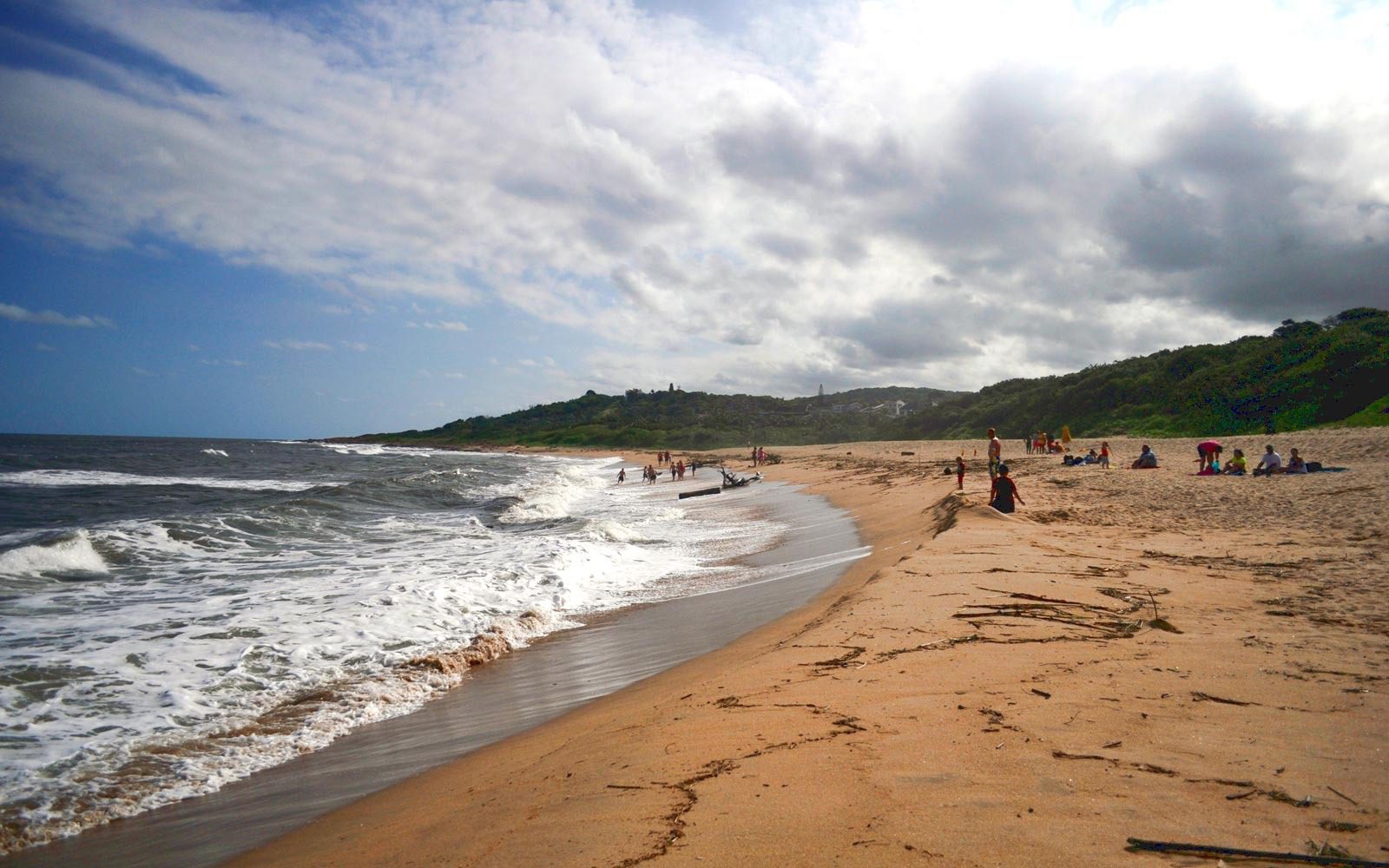
KwaZulu-Natal, South Africa – January 2, 2026 – A KZN drowning tragedy has unfolded at Pennington Beach, where two swimmers remain missing following mass drowning incidents over the New Year holiday. A second body has been recovered, yet strong currents and unpredictable surf are hampering rescue operations. Authorities have issued urgent safety warnings, urging beachgoers to exercise caution and adhere to lifeguard instructions.
This incident has reignited discussions on water safety along South Africa’s coastline, highlighting the critical need for community awareness, preventative measures, and stricter safety enforcement during peak holiday periods.
Details of the Drowning Incident
The incident reportedly took place on January 1, 2026, shortly after New Year celebrations when several swimmers entered the sea despite visible signs of danger.
- Multiple swimmers were caught in strong rip currents, leading to a chaotic rescue effort.
- Rescue teams recovered one body, while searches continue for the two remaining missing individuals.
- The victims’ identities are being protected in line with South African privacy and legal regulations.
Pennington Beach is notorious for its powerful rip currents, which have historically contributed to drownings, particularly during busy holiday periods when supervision may be limited.
Official Statements from Authorities
Colonel Thabo Mkhize of KwaZulu-Natal Police stated:
“We are actively engaged in search and rescue operations following a drowning incident at Pennington Beach. One body has been recovered, and two swimmers remain missing. Public safety remains our top priority.”
The KZN Department of Transport and Community Safety emphasized the dangers of swimming in unsafe conditions:
“Beachgoers must respect safety warnings and avoid venturing into dangerous waters. Rescue teams are working diligently, and the public’s cooperation is essential.”
Lifeguards highlighted that designated safe swimming zones are clearly marked, and entering the water beyond these areas is strongly discouraged.
Public and Social Media Reaction
News of the KZN drowning rapidly spread on social media, evoking shock, grief, and concern for the victims’ families.
- Twitter users expressed outrage and called for stricter beach safety enforcement.
- Facebook groups and community forums shared safety tips on rip currents, reporting missing swimmers, and preventive measures.
Many online campaigns also encouraged families and holidaymakers to prioritize safety and respect warnings issued by lifeguards.
Understanding the Risks of Rip Currents
Experts explain that rip currents are the leading cause of beach drownings, capable of pulling swimmers away from shore with tremendous force.
- If caught in a rip current, swimmers should remain calm and float, swimming parallel to the shoreline to escape the current.
- Signaling for help is vital instead of attempting to swim directly against the current.
Thandiwe Khumalo from the KZN Lifesaving Association said:
“Rip currents are dangerous and can appear even on seemingly calm days. Public education and vigilant lifeguard supervision are crucial to preventing tragedies.”
Challenges in Rescue Operations
Emergency teams, including lifeguards, police, and volunteers, have been conducting round-the-clock search operations:
- Rough seas and strong currents make locating missing swimmers extremely difficult.
- Families of the missing are receiving counseling and logistical support, including temporary accommodation near the beach.
- Authorities are reviewing current safety measures and exploring enhanced patrols and warning systems in high-risk areas.
Officials are urging swimmers to strictly follow safety guidance and avoid dangerous areas, particularly during high tide and rough sea conditions.
National Perspective on Beach Safety
This KZN drowning incident highlights a larger concern across South Africa: the need for robust beach safety strategies.
- Hundreds of individuals are rescued annually by surf lifesaving organizations, yet holiday drownings remain a recurring problem.
- Experts recommend nationwide safety initiatives, including:
- Public education campaigns on water safety
- Improved lifeguard coverage during peak seasons
- Use of drone surveillance and warning systems to monitor risky conditions
- Public education campaigns on water safety
The Pennington Beach tragedy emphasizes the importance of preparedness, community awareness, and proper supervision for safe holiday activities along South Africa’s coastline.
Community Support and Preventive Measures
Local community groups have mobilized to support affected families and promote water safety:
- NGOs are conducting workshops on rip current awareness and swimming safety.
- Social media campaigns encourage adherence to lifeguard guidance and avoidance of unsafe swimming zones.
- Volunteers assist in search operations and disseminate crucial safety information to holidaymakers.
These efforts are essential in raising awareness, preventing further incidents, and supporting families during rescue and recovery operations.
What Happens Next
Rescue operations at Pennington Beach will continue until all missing swimmers are located. Authorities are coordinating with families to provide ongoing support and counseling services.
- Lifeguards and police continue to stress the importance of following safety instructions and avoiding dangerous swimming areas.
- Officials are reviewing safety infrastructure, including signage, patrols, and public awareness campaigns, to prevent similar tragedies.
This KZN drowning incident serves as a critical reminder of the importance of preparation, supervision, and adherence to safety rules when enjoying coastal waters.
Conclusion
The KZN drowning incident at Pennington Beach underscores the dangers posed by rip currents, rough seas, and unsupervised swimming. With two swimmers still missing, rescue teams continue their operations while authorities urge caution and vigilance.
Community involvement, professional lifeguard efforts, and public education are key to preventing future tragedies. This incident highlights the urgent need for enhanced safety measures and awareness campaigns across South Africa’s popular beach destinations to protect residents and tourists alike.