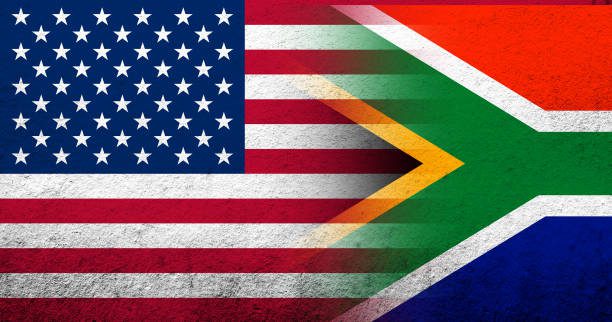
Trade tensions between the United States and South Africa have sharply escalated following the imposition of 25% tariffs on South African exports. The tariffs, announced on January 16, 2026, target countries maintaining business relations with Iran, including South Africa, Kenya, and Nigeria. Washington claims that these measures are intended to enforce compliance with U.S. sanctions on Tehran, but critics warn they may have significant economic and geopolitical consequences for the region.
The tariffs come at a sensitive time for South Africa, which recently participated in BRICS naval exercises alongside Iran and Russia. Analysts suggest that the move signals increasing pressure from the United States on African nations to align with its foreign policy priorities, particularly in matters concerning Iran and broader Middle Eastern affairs.
What Happened?
The U.S. Treasury Department stated that countries engaging in trade with Iran risk punitive measures, including tariffs and other trade restrictions. South Africa, a major exporter of agricultural products, minerals, and manufactured goods to the U.S., is particularly vulnerable to these measures.
The imposition of a 25% tariff means that exporters may face significantly higher costs to sell goods in the American market. Industries such as automotive, mining, and agriculture are expected to feel the most immediate impact. Citrus exports, wine shipments, and vehicle components are among the products likely to be affected, potentially resulting in reduced competitiveness and market share loss.
The timing of the tariffs also amplifies concerns, as South Africa has been promoting investment and export expansion, particularly under post-pandemic economic recovery programs.
Official Reactions
South African authorities quickly responded to the news, emphasizing the need for diplomatic engagement. The Department of Trade and Industry (DTI) released a statement:
“We are monitoring developments and will engage with U.S. authorities to ensure that lawful trade practices are respected and the economic interests of South Africa are protected.”
U.S. officials, meanwhile, framed the tariffs as part of a broader effort to enforce international sanctions on Iran. Treasury Secretary Janet Yellen stated:
“Countries that engage in business with Iran in ways that undermine U.S. sanctions risk punitive measures. These actions are designed to uphold compliance and global security.”
Economic Implications
The Trade Tensions created by these tariffs could ripple through the South African economy. Automotive exports, which constitute a substantial portion of the nation’s GDP, may face significant cost increases. Manufacturers like Volkswagen and Toyota, which produce vehicles for the U.S. market, may encounter higher tariffs on shipments, potentially affecting sales and profit margins.
The agricultural sector could also face severe challenges. Citrus fruit, wine, macadamia nuts, and other key exports may become less price-competitive in the U.S. market, prompting traders to seek alternative markets. Analysts estimate potential losses could reach billions in revenue if these tariffs persist, especially if negotiations fail to yield exemptions.
Financial markets have reacted cautiously. The Johannesburg Stock Exchange (JSE) saw increased volatility in export-oriented stocks, reflecting investor concerns about the potential slowdown in trade activity and its broader impact on economic growth.
Social and Political Reactions
The tariffs have ignited debate on social media, with South African citizens expressing frustration and concern over their government’s ability to shield local businesses from foreign trade measures. Hashtags like #TradeTensions, #USTariffs, and #ProtectSAJobs have trended on Twitter and X, reflecting widespread attention to the issue.
Civil society groups and trade unions have called for urgent government intervention to protect jobs and industries affected by the tariffs. Activists argue that the tariffs may disproportionately harm ordinary workers while leaving multinational corporations better positioned to weather the financial impact.
Geopolitical Context
The imposition of tariffs cannot be seen in isolation. South Africa’s recent participation in BRICS naval exercises with Iran and Russia has heightened U.S. concerns regarding strategic alignments. The American administration perceives these engagements as indirectly supporting Iran, a nation currently under extensive sanctions due to its controversial nuclear program and regional activities.
By leveraging economic measures such as tariffs, the U.S. aims to incentivize African nations to reconsider trade and diplomatic relationships with Iran. However, experts warn that the approach may backfire, as affected countries could seek alternative partnerships with non-U.S. markets, thereby reducing long-term American influence in Africa.
Impact on Businesses and Supply Chains
For South African exporters, the Trade Tensions created by the tariffs are already reshaping strategic planning. Companies are evaluating potential new markets in Asia, Europe, and the Middle East to mitigate the impact of rising costs on U.S.-bound goods.
Small and medium-sized enterprises (SMEs) are especially vulnerable, as higher tariffs could erode already narrow profit margins. Large corporations may absorb some costs, but the knock-on effect on employment, supply chains, and domestic suppliers remains a significant concern.
Economic analysts suggest that urgent government support, including trade incentives, export diversification strategies, and diplomatic advocacy, will be critical in reducing the negative effects of the tariffs.
What Happens Next?
South Africa’s government is expected to pursue diplomatic channels to negotiate relief or exemptions from the tariffs. High-level meetings with U.S. trade representatives are likely to occur in the coming weeks. Simultaneously, exporters are diversifying their markets, exploring partnerships in Europe, Asia, and the Middle East to ensure business continuity.
Observers note that Trade Tensions are unlikely to subside quickly. Washington’s strategic priorities regarding Iran are firm, and compliance pressures on African nations are expected to persist. The trajectory of these tensions will depend on ongoing diplomatic negotiations, regional alliances, and South Africa’s willingness to adjust its trade policies without compromising sovereignty.
Conclusion
The imposition of 25% tariffs on South African exports underscores the fragility of international trade amid geopolitical disputes. Trade Tensions with the United States have the potential to impact key sectors, affect employment, and disrupt economic growth. While South Africa seeks to balance diplomatic engagement with economic resilience, businesses and policymakers alike face a challenging path forward. The situation highlights the broader intersection of commerce, diplomacy, and international security, emphasizing the need for proactive strategies to safeguard national economic interests in an increasingly complex global environment.