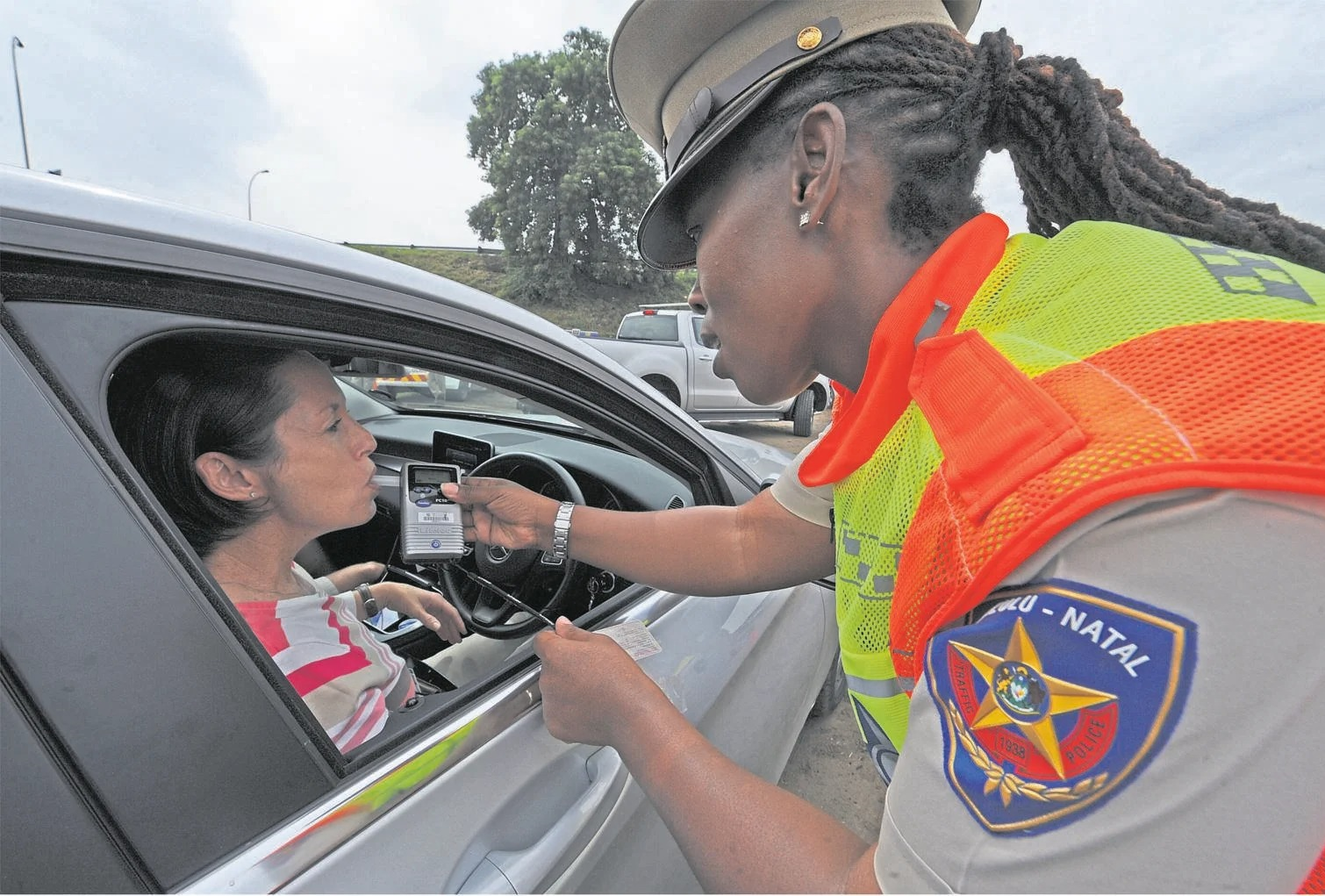
South Africa’s road safety landscape came under renewed scrutiny following a significant increase in drunk driving arrests over the Easter weekend. Nearly 1,000 drivers were apprehended, a 39% jump from the previous year, according to the Road Traffic Management Corporation (RTMC). The spike has raised alarm bells among authorities and safety advocates, emphasizing the ongoing challenges of maintaining safe roads during festive periods.
Easter Weekend Arrests: What Happened
During the long Easter weekend, traffic authorities implemented extensive roadside checks across major highways and urban centers. A total of 987 arrests were made for driving under the influence of alcohol.
Police confirmed that the increase was partly due to intensified enforcement, combined with typical holiday behaviors, including heavy drinking and late-night travel. Authorities noted that Easter, like other holidays, remains a high-risk period for road accidents, particularly alcohol-related incidents.
Statements From Authorities
The RTMC stressed the importance of vigilance:
“Our roads are safer when drivers act responsibly. The increase in arrests this Easter is a reminder that alcohol-impaired driving continues to threaten lives,” said a spokesperson.
The South African Police Service (SAPS) also emphasized that these arrests prevent potential accidents and fatalities, calling on the public to prioritize safety and plan ahead when consuming alcohol.
The Importance of Road Safety
Road safety encompasses all measures aimed at preventing accidents and reducing injuries on the road. The recent Easter spike demonstrates that education, enforcement, and infrastructure must work hand-in-hand:
- Education: Continuous awareness campaigns targeting drivers, passengers, and pedestrians.
- Enforcement: Random breath tests and strict penalties for offenders.
- Engineering: Proper signage, road maintenance, and lighting to minimize risk.
- Emergency Response: Faster medical intervention in the event of accidents.
Experts argue that without a coordinated approach, seasonal spikes in dangerous driving behaviors are inevitable.
Regional Highlights
Provinces such as KwaZulu-Natal, Gauteng, and Western Cape reported the highest number of drunk driving arrests. These regions are also the most congested during the holiday period, which further amplifies the risk of accidents.
Traffic officials stated that strategic deployment of police and traffic officers in these hotspots significantly contributed to the arrests, potentially preventing serious road incidents.
Impact on Public Awareness
Social media reactions have highlighted the public’s concern over road safety. Many users praised law enforcement for taking decisive action, while others emphasized the need for preventive education rather than reactive arrests.
A Twitter user commented:
“It’s reassuring to see authorities take drunk driving seriously, but we also need continuous road safety campaigns to educate drivers year-round.”
Public sentiment reflects a growing recognition that road safety is a shared responsibility involving drivers, government authorities, and the community.
Preventive Measures for Road Safety
The spike in drunk driving arrests reinforces the need for proactive measures:
- Designated Drivers: Families and friends should appoint sober drivers when planning celebrations.
- Public Awareness Campaigns: Promoting responsible alcohol consumption and safe driving practices.
- Technology Integration: Breathalyzers and ignition interlock devices to prevent impaired driving.
- Stricter Penalties: Heavier fines, license suspensions, and rehabilitation programs for repeat offenders.
- Community Engagement: Collaboration with bars, restaurants, and event organizers to encourage responsible behavior.
Authorities maintain that combining enforcement with public education is essential to creating long-term road safety improvements.
Comparisons and Best Practices
Globally, countries like Australia and the UK have successfully reduced drunk driving through strict enforcement and sustained public campaigns. Zero-tolerance laws, random breath tests, and high-visibility policing have proven effective in lowering alcohol-related road fatalities.
South Africa’s authorities are exploring similar measures, focusing on both enforcement and public awareness, particularly during high-risk holiday periods.
Future Road Safety Strategies
The RTMC has outlined several initiatives to improve road safety moving forward:
- Expanded Checkpoints: Increased roadside alcohol testing during major holidays.
- Data-Driven Enforcement: Using traffic and arrest data to identify high-risk areas.
- Collaborative Campaigns: Partnering with local communities, schools, and transport organizations to educate drivers.
- Emergency Preparedness: Strengthening response teams to manage accidents efficiently.
These measures aim to reduce alcohol-related crashes and enhance overall safety on South African roads.
Conclusion
The Easter 2026 surge in drunk driving arrests underscores the critical importance of road safety in South Africa. Nearly 1,000 arrests, representing a 39% increase from last year, demonstrate both the prevalence of risky driving behaviors and the impact of enforcement efforts.
Authorities, public safety organizations, and communities must work together to create safer roads through education, strict enforcement, and responsible behavior. Road safety is not just a government responsibility it’s a shared commitment to protecting lives during holidays and beyond.