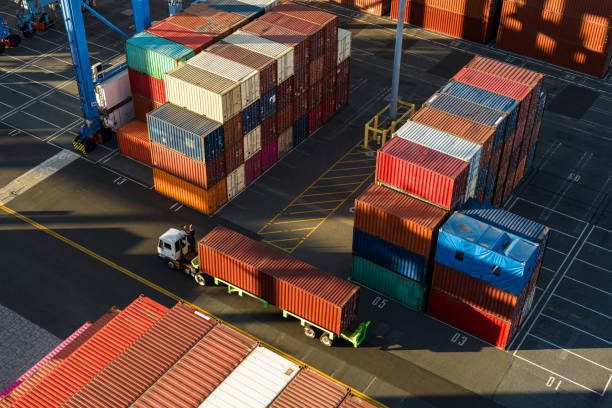
Maersk, one of the world’s leading container shipping lines, has announced an increase in its Peak Surcharge for shipments from Far East Asia to South Africa and Southern Africa ports, effective 24 January 2026. This decision comes amid heightened global demand for Asian exports and operational pressures on shipping networks, impacting importers, exporters, and supply chain stakeholders across the region.
The Peak Surcharge (PSS) is a seasonal levy applied by carriers during periods of high cargo demand. Its primary purpose is to manage container availability, offset operational costs, and ensure service reliability during peak trading seasons. This latest surcharge affects key ports in South Africa, including Durban, Cape Town, and Port Elizabeth, as well as neighboring Southern African hubs reliant on South African feeder services.
Understanding the Peak Surcharge
A Peak Surcharge is not a permanent fee but a temporary cost adjustment, typically applied when container demand surges. For Maersk, the increase reflects broader trends in the shipping industry: rising fuel costs, congested ports, labor shortages, and increased global trade volumes.
Importers shipping consumer goods, electronics, textiles, and industrial components from China, Vietnam, and South Korea are directly affected. While larger corporations may absorb the surcharge within existing logistics budgets, SMEs could face significant additional costs per container.
Industry analysts note that surcharges such as these are common during high-demand seasons and are designed to maintain predictable shipping schedules despite market volatility.
Official Maersk Statement
Maersk issued an official statement regarding the surcharge:
“The Peak Surcharge is a necessary step to manage increased cargo demand from Far East Asia to Southern Africa. It ensures our shipping schedules remain reliable and containers are available for all customers during peak periods.”
The company highlighted that the surcharge is applied transparently and is aligned with global industry practices. Maersk also emphasized its commitment to keeping clients informed and providing guidance on mitigating the impact of additional charges.
Impact on South African Businesses
The Maersk Peak Surcharge has immediate implications for South African importers. Businesses must now account for higher shipping costs when calculating landed costs for imported goods.
Retailers may need to adjust pricing strategies, while manufacturers could face tighter profit margins on imported raw materials. SMEs could experience a disproportionate impact, as they have less flexibility to negotiate shipping contracts or spread costs across multiple shipments.
Logistics consultants advise businesses to review all contracts, consider alternative carriers, and optimize shipment timing to minimize exposure to peak-season fees.
Regional Effects Across Southern Africa
The surcharge’s effect is not limited to South Africa. Ports in Namibia, Mozambique, and other Southern African countries may also experience indirect cost increases, particularly for cargo routed through South African hubs.
Transport associations in the region are exploring mitigation strategies, including shipment consolidation, route diversification, and pre-booking containers to secure rates ahead of peak-season surcharges. This proactive planning is expected to help reduce financial and operational pressure during the surcharge period.
Global Shipping Context
Globally, shipping lines routinely implement Peak Season Surcharges to address similar challenges. Major carriers like MSC, CMA CGM, and Hapag-Lloyd also apply seasonal surcharges during periods of high cargo demand.
Recent reports from the World Shipping Council indicate sustained growth in containerized trade from Asia to Africa, with electronics, machinery, and textiles being among the most shipped categories. These trends create pressure on port infrastructure, increase container scarcity, and necessitate surcharges to maintain service reliability.
Mitigation Strategies for Importers
Businesses impacted by the surcharge can adopt several strategies:
- Advance Planning: Shipments scheduled well before peak periods may avoid higher surcharges.
- Shipment Consolidation: Combining multiple smaller shipments into fewer containers reduces the overall per-unit cost.
- Diversified Carriers: Using alternative carriers can help manage exposure to Maersk-specific surcharges.
- Contract Negotiation: Long-term freight contracts may include clauses that cap peak-season fees.
- Supply Chain Adjustments: Companies may consider sourcing closer to the market or adjusting production cycles to reduce reliance on high-cost peak shipments.
Proactive measures can significantly reduce the surcharge’s financial impact while maintaining supply chain efficiency.
Economic and Market Implications
The Maersk Peak Surcharge reflects broader economic pressures, including rising energy prices, port congestion, and labor market challenges. While some costs may be absorbed by shipping companies, a portion is typically passed on to importers and, ultimately, consumers.
Economists suggest that such surcharges may temporarily influence trade flows, encouraging businesses to diversify sourcing or explore regional supply options. However, South Africa remains a key import destination for Asian goods, and long-term trade volumes are unlikely to be heavily affected.
Public and Industry Response
Industry associations and business groups have reacted to the announcement with a mix of concern and understanding. While the surcharge increases costs for businesses, it is widely recognized as necessary to maintain reliable shipping services during high-demand periods.
Online logistics forums and trade networks are sharing insights on minimizing impact, such as early booking of containers, freight consolidation, and route optimization. Companies are encouraged to monitor Maersk updates closely for adjustments to surcharge rates and implementation details.
Looking Ahead
Analysts predict that surcharges like Maersk’s will continue to be a feature of the shipping industry, particularly as global trade grows and ports face congestion pressures. Importers and exporters in Southern Africa will need to remain agile, leveraging strategic planning and operational flexibility to navigate these costs effectively.
Maersk has confirmed that detailed information on the surcharge, including rates per container, will be regularly updated on its official channels to ensure transparency and support customer decision-making.
Conclusion
The Peak Surcharge by Maersk, effective 24 January 2026, underscores the dynamic challenges of global shipping. While it raises costs for South African and Southern African importers, the surcharge is a measure designed to manage high cargo demand and maintain service reliability.
Businesses that plan strategically, explore alternative carriers, and optimize shipment schedules are best positioned to mitigate the financial impact. As global trade continues to grow, proactive engagement with shipping lines and freight partners remains essential for maintaining supply chain resilience.