
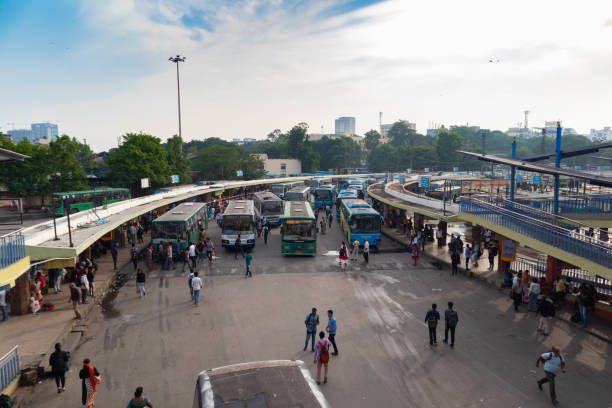
Thousands of learners in Gauteng, South Africa, have been affected by a sudden Learner Strike, as subsidised scholar transport operators suspend services over unpaid invoices. The disruption has left pupils stranded, forcing parents and schools to find temporary alternatives while authorities work to resolve the crisis.
The strike highlights a growing concern over the sustainability of Gauteng’s scholar transport system, with parents warning that continued delays could severely impact learners’ academic progress.
What Triggered the Learner Strike?
The strike stems from a financial dispute between the Gauteng Department of Education and transport providers. Operators claim they have not received payments for several months, making it impossible to cover operational costs, including fuel, maintenance, and staff wages.
Transport providers stated that the suspension of services was a last resort after repeated attempts to engage with the department failed. “We cannot continue to operate at a loss. Our priority is the safety and sustainability of our services,” said one bus operator who requested anonymity.
Immediate Effects on Learners
Learners have been the hardest hit by the strike. Many depend exclusively on subsidised scholar transport to get to school safely and on time. In affected areas, including Soweto, Alexandra, and parts of Pretoria, attendance has dropped sharply, with some students missing several days of school.
Teachers report that the disruption is already affecting classroom learning, particularly in subjects requiring continuous practice and preparation, such as mathematics and science. Students preparing for exams face the risk of falling behind, increasing pressure on both learners and educators.
Parental Concerns
Parents are struggling to manage the consequences of the Learner Strike. Many have expressed frustration over the lack of communication and contingency planning by the authorities.
“We were informed at the last minute. Some of our children have to walk long distances or rely on expensive private transport. This is not sustainable,” said Nomsa Dlamini, a parent from Tembisa.
Social media platforms have seen a surge in complaints from parents who feel abandoned by the system. Hashtags such as #LearnerStrike and #GautengSchoolTransport have trended locally, reflecting public anger and concern.
School Responses and Adjustments
Schools have attempted to mitigate the strike’s effects by adjusting schedules, offering online learning where possible, and allowing flexible attendance. However, limited access to digital tools in many communities has made remote learning a partial solution at best.
Feeding programs and extracurricular activities have also been disrupted, adding to the challenges faced by learners. School principals emphasize that prolonged interruptions could have long-term consequences for students’ academic performance and overall well-being.
Government and Official Statements
The Gauteng Department of Education acknowledged the strike and confirmed ongoing discussions with transport providers. A spokesperson said:
“We are aware of the Learner Strike and are actively working to resolve outstanding payments to service providers. Our goal is to ensure that learners can return to school as quickly as possible.”
Despite assurances, operators insist that services will not resume until full payment is received, leaving the education department under pressure to find a solution before the situation worsens.
Community and Social Impact
The strike has exposed vulnerabilities in Gauteng’s transport system, particularly for low-income families who rely on subsidised services. Community organizations have stepped in to provide temporary transport, but such solutions are limited in scope and cannot fully replace the official system.
Safety concerns have also arisen, as some learners are forced to walk long distances in unsafe areas. Parents and community leaders are calling for urgent intervention to protect students and maintain access to education.
Historical Context and Systemic Challenges
Gauteng has faced similar transport disruptions in previous years, often linked to delayed payments, vehicle licensing issues, and safety compliance concerns. Analysts argue that these recurring incidents reveal a systemic problem in managing the province’s subsidised scholar transport program.
Without timely payments and proper oversight, learners will continue to face sudden interruptions, highlighting the need for long-term reforms in transport management and financial accountability.
What Happens Next?
Authorities are under pressure to resolve the Learner Strike quickly. The Gauteng Department of Education has promised partial payments to operators and urged them to resume services immediately. Schools are encouraged to maintain flexible learning options until transport is restored.
Parents and community members are advised to monitor updates from schools and local media, while authorities review existing payment and contract systems to prevent future disruptions.
Conclusion
The Learner Strike in Gauteng underscores the critical importance of reliable scholar transport. Thousands of learners remain stranded, highlighting the need for swift resolution and long-term solutions to prevent recurring disruptions.
As discussions continue between transport providers and the Gauteng Department of Education, the province faces mounting pressure to ensure that learners can safely and consistently access their education.