
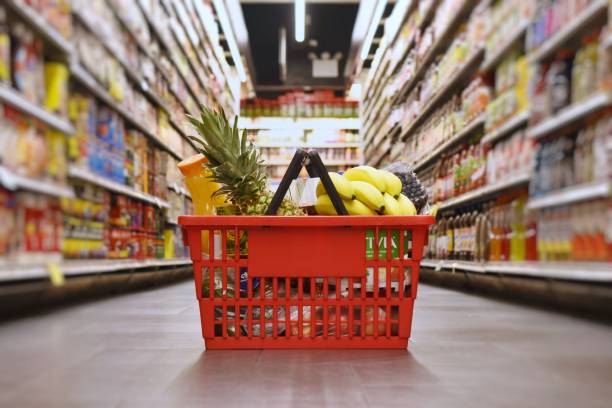
South Africa is experiencing a sharp uptick in food inflation, with households feeling the strain as grocery and daily living costs rise. In response, the government has announced a 70% reduction in the fuel levy, a move aimed at slowing price increases for essential goods.
This decision reflects an understanding of how fuel costs impact food distribution, production, and ultimately, the prices consumers pay.
Understanding the Link Between Fuel and Food Prices
The connection between fuel and food prices is direct and significant:
- Transportation costs: Fuel prices affect the cost of delivering food from farms to stores.
- Agricultural production: Diesel and petrol are vital for machinery, irrigation, and fertilizers.
- Retail pricing: Rising operational costs are often passed on to consumers.
Economists note that each surge in fuel costs contributes to higher grocery bills, particularly for staples such as bread, maize meal, cooking oil, and fresh produce.
Government Measures to Address Food Inflation
By reducing the fuel levy by 70%, authorities aim to:
- Lower pump prices to provide immediate relief to consumers.
- Reduce transportation expenses for distributors and retailers.
- Slow grocery price increases, easing pressure on household budgets.
While this measure cannot fully counteract international fuel market fluctuations or currency volatility, it is a tactical step to provide short-term relief.
Statements from Officials
Finance Minister Enoch Godongwana highlighted the urgency of the measure:
“Rising fuel and food costs are placing a heavy burden on South Africans. Cutting 70% of the fuel levy is a direct step to provide relief to households and businesses alike.”
The Department of Agriculture also emphasized that this is only a partial solution, and long-term strategies are needed to stabilize food prices sustainably.
Impact on Households
Households are expected to benefit in several ways:
- Lower fuel prices reduce commuting costs and allow more disposable income for essentials.
- Slower food inflation ensures that staples remain accessible.
- Support for low-income families mitigates the disproportionate impact of rising grocery prices on vulnerable groups.
Consumer advocacy groups welcomed the move but stressed the need for ongoing monitoring of food inflation trends.
Effect on Retailers and Businesses
Businesses in the supply chain also experience relief:
- Reduced logistics costs for perishable goods, which helps maintain supply stability.
- Smaller price hikes at retail level, preventing sudden spikes in grocery bills.
- Improved cash flow for smaller retailers, allowing them to manage margins more effectively.
Economists believe that these benefits may help contain inflationary pressures in key sectors of the economy.
Challenges and Trade-offs
Despite its benefits, the levy reduction carries economic trade-offs:
- Government revenue loss: Less income from the fuel levy could affect infrastructure and public services.
- Partial relief: Global oil price volatility may continue to impact food costs despite domestic measures.
- Short-term solution: Without structural reforms, food inflation could resume its upward trend once market pressures intensify.
Policy experts stress the importance of coupling this initiative with long-term measures to strengthen local production and supply chains.
Global and Domestic Context
South Africa’s food inflation is influenced by both local and global factors:
- International fuel prices directly impact distribution and production costs.
- Agricultural disruptions from droughts, floods, and climate events affect supply.
- Currency depreciation increases import costs for food items.
The fuel levy reduction is a tactical domestic intervention designed to buffer households from these external pressures.
Next Steps and Monitoring
The government plans to:
- Track the impact of the levy cut on fuel and grocery prices.
- Explore additional measures to stabilize the cost of food, including supporting local agriculture.
- Ensure efficient transport and distribution to maximize the relief provided to consumers.
Authorities emphasize that maintaining price stability will require both short-term interventions and long-term structural reforms.
Conclusion
The rise in food inflation in South Africa has prompted the government to cut 70% of the fuel levy, aiming to ease the financial burden on households and slow grocery price increases.
While this measure provides immediate relief, long-term solutions will require a combination of policy adjustments, support for local production, and efficient supply chains. For now, consumers can expect modest relief at the pump and some stabilization in the cost of essential foods, demonstrating the close relationship between fuel costs and food inflation.