
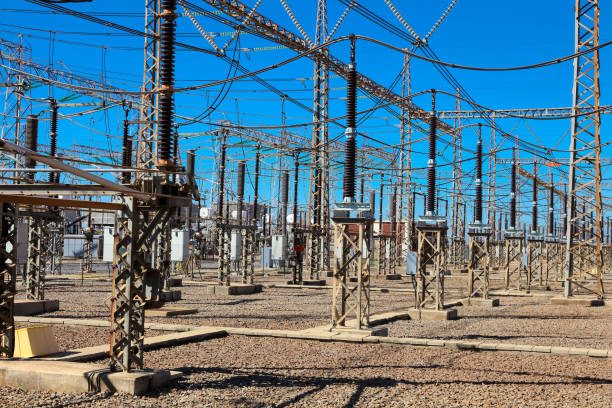
The Eskom Scandal has intensified scrutiny over governance failures and political oversight as the Special Investigating Unit (SIU) froze R8 million in assets linked to an employee allegedly involved in a massive tender kickback scheme. The case, which includes a high-value Polokwane property and a luxury vehicle, shines a harsh light on how corruption within state-owned enterprises undermines both public trust and critical infrastructure.
The development comes amid continued public frustration over rolling blackouts, financial mismanagement, and the perception that political interference within Eskom enables employees to exploit procurement processes for personal gain.
Political and Governance Context of the Eskom Scandal
Political analysts argue that the Eskom Scandal is symptomatic of broader governance weaknesses. Eskom, one of South Africa’s largest state-owned entities, has long faced allegations of political meddling in procurement and project management.
In this case, SIU investigations revealed that Johannes Seroke Mfalapitsa, a project manager in Eskom’s Transmission Division, and his spouse allegedly engaged in a scheme that funneled payments from service providers through personal accounts. This network reportedly included family members and close associates, reflecting systemic issues where oversight mechanisms were insufficient to prevent conflicts of interest.
Experts suggest that the lack of strict accountability measures allowed the tender to proceed unchecked, enabling millions in illicit payments to be siphoned off.
Details of the Asset Freeze
The SIU obtained a preservation order through the Special Tribunal, freezing:
- A Polokwane home valued at R3.9 million
- A Nissan NP200 bakkie
- Additional assets linked to the suspect’s financial network
According to SIU spokesperson Kaizer Kganyago, the freeze prevents the respondents from disposing of or moving these assets while civil action is underway.
“The preservation order is essential to ensure that assets acquired through corrupt means are protected and can be recovered for the state,” said Kganyago.
Forensic investigations traced the money trail, confirming that the R8 million in payments originated from contractors who were allegedly favoured in the R54 million High-Definition Surveying Services tender. The investigators argue that this represents a clear case of abuse of office for personal enrichment.
Governance Failures Highlighted
The Eskom Scandal has amplified debates about governance standards in state-owned enterprises. Analysts point to three main failures:
1. Weak Internal Controls
The project manager’s dual role in drafting, evaluating, and managing the tender created an environment conducive to corruption. Conflict-of-interest policies either were absent or not enforced.
2. Political Interference
Sources claim political influence may have affected contractor selection, reinforcing a culture where personal networks override merit-based decision-making.
3. Lack of Transparency
The tender process lacked public disclosure or independent oversight, allowing irregularities to go unnoticed until the SIU investigation.
Professor Riaan Botha, a governance expert at the University of Johannesburg, said:
“This case exemplifies how political and managerial failures converge. Without stringent monitoring and accountability, SOEs become vulnerable to abuse.”
Public Response and Societal Impact
The freezing of R8 million in assets has generated immediate public attention, particularly given Eskom’s role in supplying electricity amid frequent load shedding. Citizens expressed outrage that funds meant for national infrastructure were allegedly redirected into private luxuries.
Social media sentiment includes posts such as:
- “Corruption at Eskom is why our lights go out daily.”
- “R8 million stolen — the government must act now.”
- “This scandal shows why SOEs fail when oversight is weak.”
Activists warn that persistent corruption contributes directly to operational failures, such as under-maintained substations, delayed maintenance schedules, and unreliable energy delivery, ultimately affecting the economy and households.
Political Repercussions
The Eskom Scandal has political ramifications. Parliament’s energy committee is likely to demand full transparency and may summon Eskom executives and SIU officials to testify.
Opposition parties are using the case to call for stronger anti-corruption measures and independent oversight boards for SOEs. Some are suggesting that political appointments in Eskom must be evaluated to prevent conflicts of interest and ensure merit-based governance.
According to political analyst Thabo Mokoena:
“Cases like this erode public confidence not only in Eskom but in government institutions tasked with oversight. Political accountability is as critical as legal enforcement.”
Legal and Investigative Developments
The SIU has confirmed that civil action will be initiated to recover funds and challenge the irregular tender. Investigators also indicated potential criminal charges could follow, including:
- Fraud
- Corruption
- Money laundering
- Violation of the Public Finance Management Act
The SIU is coordinating with the National Prosecuting Authority to ensure that the investigation leads to both financial restitution and criminal accountability.
Meanwhile, the freezing order ensures the suspects cannot liquidate or hide assets during ongoing legal proceedings, which strengthens the case for eventual recovery.
Implications for Eskom and South Africa
The Eskom Scandal underlines the link between corruption and operational inefficiency in critical sectors. Analysts warn that unaddressed tender fraud reduces the financial and operational capacity of Eskom, leading to long-term repercussions such as:
- Worsening load shedding
- Delayed infrastructure upgrades
- Increased electricity tariffs
- Diminished investor confidence
Financial transparency, independent auditing, and strict enforcement of procurement rules are viewed as essential steps to restore credibility and efficiency in Eskom.
Conclusion
The Eskom Scandal exposes deep-rooted governance failures and political entanglements within South Africa’s energy sector. The SIU’s freezing of R8 million in assets is a significant step toward accountability, but it also highlights systemic weaknesses in oversight and transparency. With citizens already grappling with frequent power outages, the scandal underscores the urgent need for structural reform. Ensuring that state-owned enterprises operate with integrity is essential not only for recovering stolen funds but also for stabilizing the country’s electricity supply and restoring public trust in governance.