
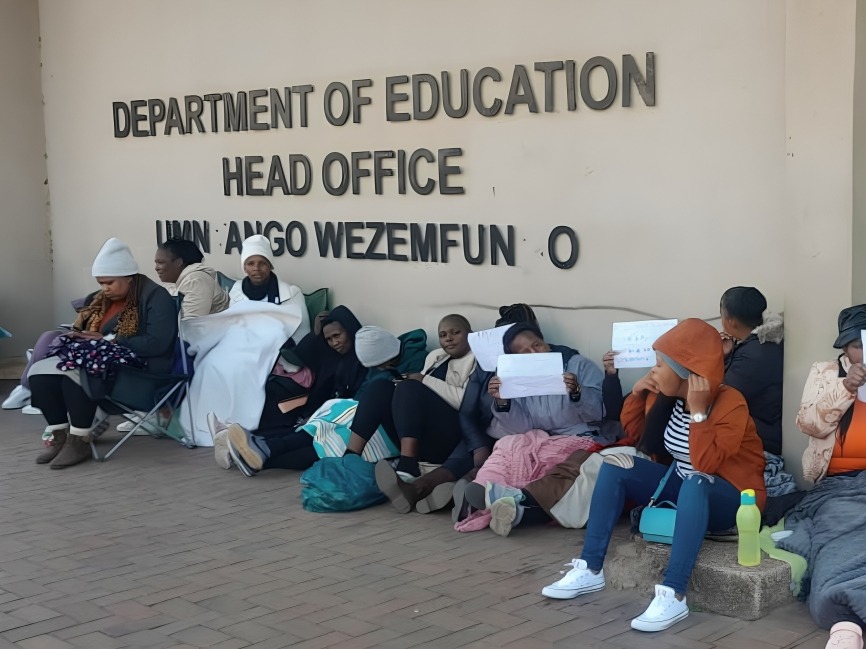
A widening education crisis is taking shape in KwaZulu-Natal, where unemployed educators have initiated a Teacher Protest outside the Department of Education in Pietermaritzburg. The group is calling for urgent employment opportunities, pointing to extended delays in recruitment processes and a shortage of available teaching positions.
The demonstration has brought renewed focus to a larger national issue in South Africa, where many qualified teachers continue to remain without jobs despite a consistent need for educators in schools
What Happened?
The Teacher Protest escalated as unemployed educators gathered outside government offices, calling for urgent intervention.
Reports indicate that the teachers:
- Camped outside the Department of Education
- Demanded immediate job placements
- Highlighted delays in hiring processes
- Called for reforms in teacher recruitment
The situation has now been framed as part of a larger Education Crisis affecting the country’s workforce and education system.
Why the Education Crisis is Growing
The Education Crisis is driven by a mismatch between supply and demand in the teaching sector.
Key Factors:
- Limited availability of teaching posts
- High number of qualified graduates
- Slow administrative hiring processes
- Budget constraints in education
Many qualified teachers are unable to secure positions despite meeting required standards, intensifying frustration and protest action.
Government and Policy Challenges
The Teacher Protest has placed pressure on government authorities to respond with policy solutions.
Areas Under Scrutiny:
- Teacher placement policies
- Recruitment and hiring systems
- Budget allocation for education
- Distribution of teachers across regions
In South Africa, education authorities are now expected to address both immediate demands and long-term structural issues.
What Officials May Do Next
Although no detailed official response has been confirmed, typical government actions in such situations include:
- Opening dialogue with protest representatives
- Reviewing vacant teaching positions
- Accelerating recruitment processes
- Reassessing education staffing strategies
The ongoing Teacher Protest could influence policy decisions aimed at addressing the Education Crisis.
Impact on the Education System
The Education Crisis has broader implications for schools and learners across the country.
Key Impacts:
- Potential teacher shortages in schools
- Increased workload for existing educators
- Impact on quality of education delivery
- Delays in filling critical teaching roles
If left unresolved, these challenges could affect long-term educational outcomes in South Africa.
Public Reaction and Community Response
The Teacher Protest has sparked widespread public discussion.
Common Reactions:
- Support for unemployed teachers
- Concerns about job creation in education
- Calls for urgent government action
- Discussions on reforming hiring systems
Many community members believe the Education Crisis reflects deeper economic and employment challenges.
Solutions Being Suggested
Experts and stakeholders have proposed several solutions to address the situation:
Increase Job Opportunities
- Expand teaching positions in public schools
- Create temporary or contract-based roles
Improve Recruitment Systems
- Streamline hiring processes
- Reduce administrative delays
Strengthen Education Funding
- Allocate more resources to education
- Support schools in underserved areas
Teacher Development Programs
- Provide training and upskilling
- Create pathways for employment
These solutions aim to address both the immediate Teacher Protest and the underlying Education Crisis.
Why This Issue Matters Nationally
The situation in KwaZulu-Natal is not isolated—it reflects a national concern.
National Importance:
- Affects future workforce development
- Impacts quality of education
- Highlights youth unemployment challenges
- Signals need for policy reform
The Teacher Protest is now seen as part of a broader discussion on employment and education in South Africa.
What Happens Next?
The outcome of the Teacher Protest will depend on government response and policy decisions.
Possible Scenarios:
- Government intervention and job creation measures
- Continued protests if demands are unmet
- Policy adjustments in teacher recruitment
- Engagement between educators and officials
The situation remains active and may evolve as discussions progress.
Conclusion
The ongoing Teacher Protest in South Africa highlights a growing Education Crisis driven by unemployment among qualified teachers. As educators demand urgent action, the issue underscores the need for policy reform, improved hiring systems, and increased investment in education.
In KwaZulu-Natal, the protest has become a powerful symbol of broader challenges facing the education sector. The response from government authorities will play a critical role in determining how this crisis is addressed moving forward.