
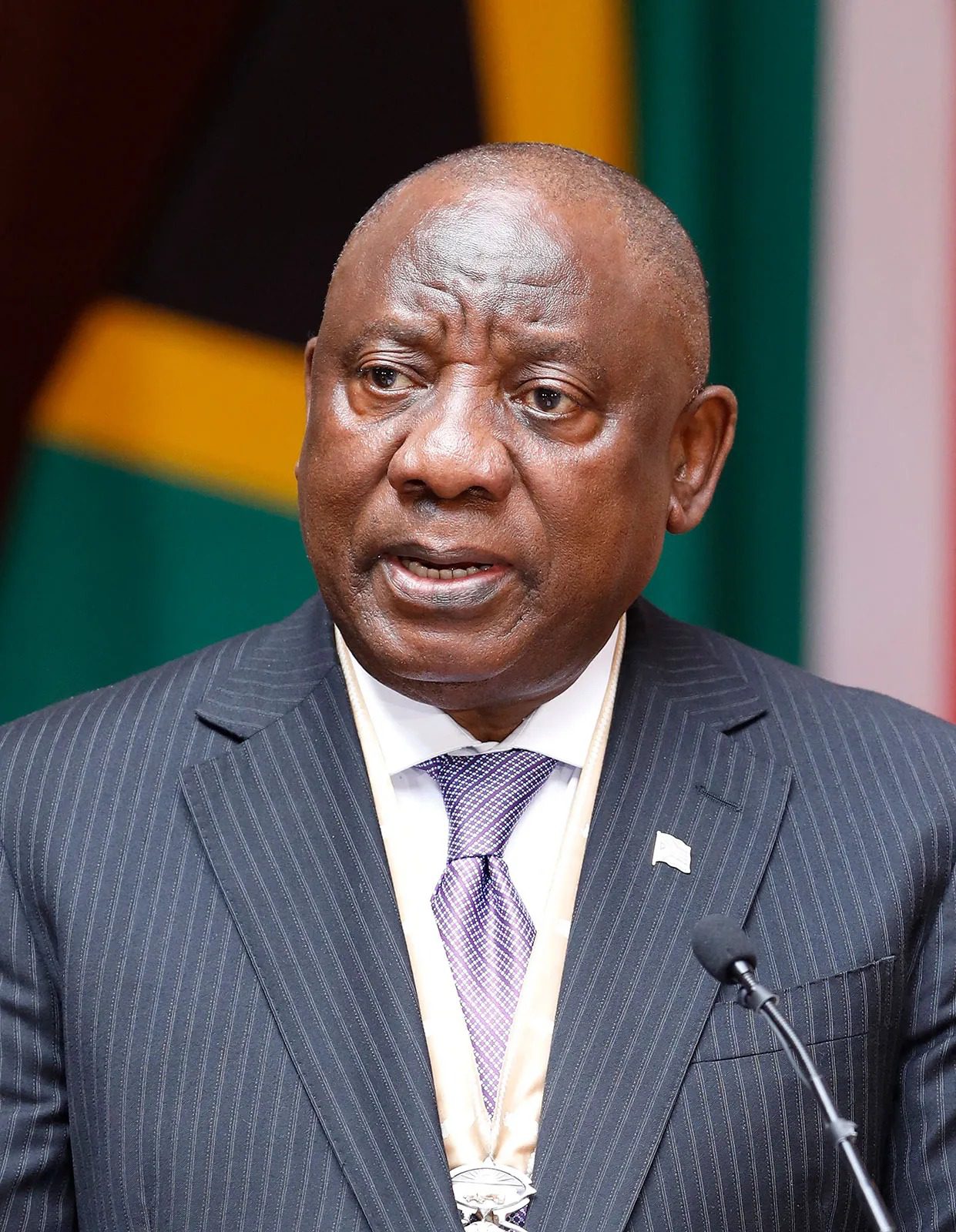
President Cyril Ramaphosa has used the occasion of Reconciliation Day to deliver a compelling December Reflection, urging South Africans to confront their history honestly and work toward national unity. His message comes ahead of the December 16 holiday, a day intended to encourage reflection, healing, and reconciliation across the nation.
Ramaphosa emphasized that December Reflection is not simply symbolic; it is a practical call for citizens, communities, and institutions to engage in dialogue, acknowledge past injustices, and commit to building a more cohesive society.
“Reconciliation requires honesty, courage, and an enduring commitment to understanding one another,” the president said. “This December Reflection is a reminder that our shared future depends on facing our past together.”
What the December Reflection Entails
The president’s address focused on several critical areas:
- Honest engagement with history: Recognizing the legacies of apartheid, colonialism, and social inequality.
- Commitment to reconciliation: Ensuring that reflection leads to meaningful action for unity.
- Role of leadership: Encouraging political and community leaders to model inclusivity and accountability.
- Youth involvement: Highlighting the importance of teaching younger generations about history and civic responsibility.
Through this December Reflection, Ramaphosa urged South Africans to see the holiday not as a single event, but as an ongoing opportunity for dialogue and nation-building.
Historical and Cultural Context
Reconciliation Day marks a significant moment in South Africa’s history, aiming to promote healing and unity among communities historically divided by racial, cultural, and political differences.
Ramaphosa’s December Reflection links this historical context to present-day challenges, emphasizing that citizens must consider how past injustices influence contemporary social, economic, and political realities. Analysts note that connecting reflection to action is critical for making the holiday relevant and impactful.
Quotes and Reactions
Government officials welcomed the December Reflection. The Minister of Social Development said, “The president’s message underscores that reflection and reconciliation are inseparable. Unity cannot be achieved without honest engagement.”
Civil society organizations echoed these sentiments. One NGO leader commented, “Ramaphosa’s December Reflection is both a call and a roadmap for meaningful engagement, encouraging South Africans to work together to bridge divides.”
Public Engagement and Social Media
The December Reflection has inspired widespread discussion online. Citizens shared personal stories, reflections on history, and messages of solidarity using hashtags such as #DecemberReflection, #ReconciliationDay, #SAUnity.
Many praised the president for emphasizing practical action alongside reflection. Community leaders highlighted the importance of ensuring that the lessons of the past translate into initiatives that promote cohesion and social justice at the local level.
Linking Reflection to Contemporary Challenges
Ramaphosa stressed that the past continues to shape South Africa’s present. Issues such as inequality, social division, and political tension are legacies of historical injustices. The December Reflection encourages citizens to confront these challenges directly while promoting dialogue, understanding, and reconciliation.
Experts agree that communities that engage in structured reflection and discussion are more likely to achieve sustainable social cohesion and reduce conflict. The president’s message reinforces this principle, emphasizing both awareness and responsibility.
Youth Engagement
The December Reflection specifically addresses the role of youth in reconciliation. Ramaphosa urged schools, universities, and youth organizations to use the occasion to educate young South Africans about history, civic responsibility, and the importance of unity.
“By teaching our youth about both our struggles and our progress, we ensure that the values of reconciliation endure,” said Ramaphosa. Many youth organizations have announced forums, debates, and educational programs aligned with this vision.
Policy Implications
The president’s December Reflection also carries significant policy relevance. Reconciliation requires proactive governance, including efforts to reduce inequality, promote social cohesion, and ensure equitable access to opportunities.
Key areas influenced by the message include:
- Social welfare programs aimed at reducing poverty
- Education initiatives that promote civic engagement
- Community development projects fostering local collaboration
By aligning policy with the principles highlighted in his message, the government seeks to make reflection actionable and impactful.
Community Initiatives and Grassroots Action
Communities across South Africa are embracing the December Reflection through dialogue sessions, interfaith gatherings, and volunteer activities. These efforts translate national calls for reflection into tangible local action, demonstrating that reconciliation is both personal and collective.
Local leaders stressed the importance of continuous engagement, ensuring that the spirit of Reconciliation Day is maintained throughout the year.
Hope, Accountability, and National Cohesion
Ramaphosa emphasized that meaningful December Reflection requires both hope and accountability. Citizens must acknowledge past injustices, take responsibility for shaping the future, and work collaboratively toward national unity.
This combination of awareness, responsibility, and optimism lies at the heart of the president’s message, encouraging all South Africans to see reconciliation as a practical, ongoing effort.
Looking Ahead
Following the December Reflection, the government and civic organizations have planned a series of workshops, community dialogues, and educational programs leading up to December 16. These initiatives aim to foster dialogue, deepen historical understanding, and strengthen national cohesion.
The president’s reflection sets the tone for continued engagement, ensuring that Reconciliation Day remains a meaningful occasion that inspires real action and societal progress.
Conclusion
The December Reflection delivered by President Ramaphosa is a timely reminder that confronting South Africa’s past with honesty and working collectively toward unity is essential for national cohesion. As citizens observe December 16, the message underscores the importance of dialogue, accountability, and shared responsibility.
By embracing reflection, civic engagement, and collaboration, South Africans can honor the spirit of Reconciliation Day while actively shaping a future built on justice, equality, and national unity.