
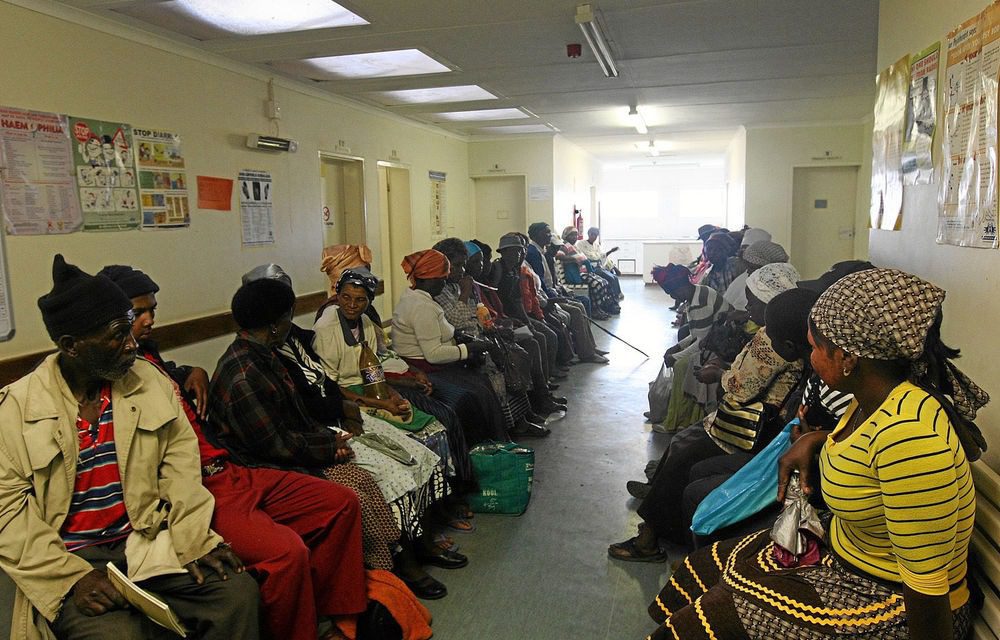
The growing Crime Crisis in South Africa is increasingly being viewed as more than a law-enforcement problem, as year-end reviews reveal its expanding impact on the country’s already strained public health system. Rising levels of violent crime, combined with persistent shortages of healthcare staff, are placing immense pressure on hospitals, emergency services, and community health programs.
Analysts warn that without coordinated action, the crime crisis could undermine health outcomes nationwide, particularly in vulnerable communities where access to care is already limited.
What Year-End Reviews Are Showing
Recent year-end assessments from policy institutes, health departments, and civil society organizations highlight a troubling trend: crime-related injuries are consuming a growing share of public healthcare resources.
Hospitals across major urban centers and townships report sustained increases in trauma cases linked to assaults, robberies, and shootings. These cases often require immediate, intensive care, stretching emergency wards beyond capacity.
At the same time, routine services such as outpatient care, chronic disease management, and maternal health are being disrupted as resources are redirected to deal with the consequences of violence.
Crime Crisis and Emergency Care
Emergency departments are often the first point of contact for victims of violent crime. Doctors and nurses working in trauma units say the crime crisis has fundamentally altered their workloads.
Common challenges include:
- Overcrowded emergency rooms
- Limited availability of trauma specialists
- Shortages of critical supplies
- Long waiting times for patients
Healthcare professionals note that the unpredictability of crime-related emergencies makes planning difficult, increasing stress and burnout among frontline workers.
Staff Shortages Worsen the Impact
The effects of the crime crisis are amplified by ongoing staff shortages in the public health sector. Many hospitals operate below safe staffing levels, particularly in emergency and trauma departments most affected by violent incidents.
Health unions and professional bodies cite several contributing factors:
- Inadequate funding for new hires
- High turnover due to burnout
- Migration of skilled workers
- Unequal distribution of staff between regions
With fewer healthcare workers available, each violent incident places a heavier burden on those remaining, raising concerns about sustainability.
Crime as a Public Health Threat
Public health experts increasingly frame the crime crisis as a population health issue. Beyond physical injuries, exposure to violence has long-term consequences for mental and emotional well-being.
Studies show that communities affected by frequent crime experience higher levels of:
- Anxiety and depression
- Trauma-related disorders
- Substance misuse
- Reduced trust in public institutions
These factors contribute to poorer health outcomes and increase demand for mental health services, which are already under-resourced.
Pressure on Emergency Medical Services
Emergency medical services (EMS) have been particularly affected by the crime crisis. Ambulance crews are frequently dispatched to violent scenes, sometimes facing safety risks themselves.
In some areas, EMS response times have lengthened due to:
- High call volumes
- Staff shortages
- Safety concerns in high-crime zones
Delays in emergency response can significantly affect patient survival, not only for crime victims but also for those experiencing medical emergencies unrelated to violence.
Hospitals in High-Crime Areas
Facilities located in high-crime communities bear a disproportionate share of the burden. Hospital managers report that trauma cases spike during weekends, holidays, and paydays, placing sudden strain on limited resources.
This pattern has led to:
- Frequent bed shortages
- Postponement of elective procedures
- Increased reliance on overtime staffing
Administrators warn that without additional support, hospitals in these areas may struggle to maintain acceptable standards of care.
Economic Costs of the Crime Crisis
The financial impact of the crime crisis on the health system is substantial. Treating violent injuries often involves surgery, intensive care, and extended hospital stays, making it significantly more expensive than routine care.
Health economists note that rising trauma costs divert funding away from:
- Preventive health programs
- Primary healthcare services
- Infrastructure upgrades
Over time, this shift may increase overall healthcare spending while delivering poorer outcomes.
Government Response and Policy Debate
Government officials have acknowledged the link between the crime crisis and public health pressures. Year-end statements from health and safety authorities emphasize the need for cross-sector collaboration.
Proposed responses include:
- Strengthening trauma care capacity
- Recruiting additional healthcare workers
- Improving hospital security
- Enhancing cooperation between police and health services
However, critics argue that these measures must be implemented consistently and supported by long-term funding to be effective.
Community-Level Impact
At the community level, the crime crisis has far-reaching consequences. Fear of violence can discourage people from seeking medical care, particularly after dark.
Community health workers report that missed appointments and delayed treatment are increasingly common in high-crime areas. This avoidance behavior contributes to worsening health conditions and preventable complications.
Local organizations are calling for safer environments as a prerequisite for effective healthcare delivery.
Calls for Integrated Solutions
Experts argue that addressing the crime crisis requires integrated solutions that consider both public safety and public health.
Recommended approaches include:
- Community-based violence prevention programs
- Expanded mental health services
- Improved working conditions for healthcare staff
- Social interventions addressing unemployment and inequality
Such strategies, analysts say, could reduce both crime rates and the health system’s burden.
What Happens Next
As South Africa enters a new year, policymakers face pressure to act on the findings of year-end reviews. Health departments are reassessing staffing needs, while safety agencies examine crime prevention strategies.
Observers caution that without sustained commitment, the cycle of violence and health system strain is likely to continue.
Conclusion
The Crime Crisis gripping South Africa is exposing deep vulnerabilities within the public health system. Rising violence, combined with chronic staff shortages, is overwhelming hospitals and emergency services, with serious consequences for communities nationwide. Year-end reviews make clear that addressing crime and health as interconnected challenges will be essential to protecting lives and strengthening public services.