
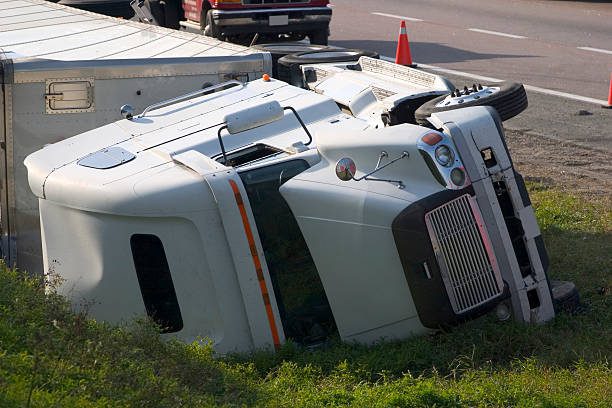
A minibus crash near Durban that killed at least 11 people has intensified scrutiny on South Africa’s public transport system, with renewed focus on enforcement failures, vehicle safety standards, and regulatory oversight in KwaZulu-Natal. The collision between a minibus taxi and a truck is the second major fatal road incident in the province within days, following a separate crash that claimed the lives of 14 schoolchildren.
As investigators examine the circumstances surrounding the crash, transport experts say the tragedy reflects deeper, long-standing issues that continue to put commuters at risk.
What Happened in the Durban Minibus Crash?
The fatal minibus crash occurred on a busy roadway outside Durban used daily by thousands of commuters. Initial reports indicate that a minibus taxi carrying multiple passengers collided with a heavy truck, resulting in catastrophic damage to the taxi.
Emergency services arrived to find passengers trapped inside the wreckage. Despite rapid response efforts, 11 people were pronounced dead at the scene, while others were transported to hospital with serious injuries.
The road was closed for several hours as rescue operations and forensic investigations were conducted.
A Pattern of Deadly Accidents in KwaZulu-Natal
This latest minibus crash has renewed attention on KwaZulu-Natal’s status as one of the deadliest provinces for road accidents in South Africa.
According to road safety analysts:
- High traffic volumes
- Poorly maintained vehicles
- Aggressive driving behavior
- Weak enforcement
all contribute to elevated fatality rates, particularly on routes dominated by public transport vehicles and freight trucks.
The fact that this crash occurred just days after another mass-casualty incident involving schoolchildren has heightened public concern and political pressure.
Regulatory Oversight Under the Microscope
Transport safety experts argue that tragedies like this minibus crash are not solely the result of driver error, but also of systemic regulatory shortcomings.
Key issues raised include:
- Infrequent roadworthiness inspections
- Inconsistent enforcement of speed limits
- Limited monitoring of driver working hours
- Lack of accountability for repeat offenders
Minibus taxis operate under permits, but enforcement of permit conditions varies widely across regions, particularly on secondary and rural routes.
Minibus Taxis: Essential but High Risk
Minibus taxis remain the primary mode of transport for millions of South Africans, especially those commuting to work in urban centers like Durban. However, safety concerns have persisted for decades.
When minibus taxis are involved in collisions with trucks, the consequences are often severe due to:
- Structural vulnerability of taxis
- Lack of passenger restraints
- Overcrowding
Safety advocates warn that without meaningful reform, such crashes will continue to claim lives.
What Authorities Have Confirmed So Far
Provincial traffic officials confirmed that a full investigation into the minibus crash is underway. Authorities are examining:
- Vehicle condition and maintenance records
- Driver compliance with licensing requirements
- Possible speeding or reckless driving
- Road conditions at the time of the crash
Officials have not ruled out the possibility of criminal charges, depending on the outcome of the investigation.
“We must establish accountability,” a provincial transport official said. “Lives depend on it.”
Economic Pressures and Driver Fatigue
Industry insiders say economic pressure plays a significant role in public transport safety failures. Many minibus drivers work long hours under tight schedules, often without adequate rest.
Driver fatigue has been identified as a major risk factor in serious crashes, particularly on early morning and late-night routes. Safety groups argue that current monitoring systems are insufficient to prevent exhausted drivers from operating vehicles.
Public Reaction and Calls for Reform
Public reaction to the minibus crash has been swift and emotional. On social media platforms, citizens expressed grief and frustration, demanding concrete action rather than repeated promises.
Common public demands include:
- Mandatory safety audits for taxi fleets
- Tougher penalties for unsafe driving
- Greater transparency in accident investigations
- Investment in safer public transport alternatives
Civil society organizations say trust in transport authorities is eroding with every fatal crash.
Government Under Pressure
The back-to-back tragedies in KwaZulu-Natal have placed government officials under mounting pressure to demonstrate leadership on road safety.
Opposition parties have called for parliamentary oversight hearings, while road safety groups are urging the introduction of:
- Real-time vehicle monitoring
- Stricter licensing controls
- Expanded road safety education
Without decisive action, experts warn that public confidence will continue to decline.
What Happens Next?
Investigators are expected to release preliminary findings in the coming days, with a full report to follow. Authorities have urged motorists and public transport operators to adhere strictly to traffic laws, particularly on high-risk routes.
For families affected by the minibus crash, answers cannot come soon enough.
Conclusion
The Durban minibus crash is more than a tragic accident—it is a stark reminder of the systemic weaknesses in South Africa’s transport safety framework. As deaths mount and investigations continue, the demand for accountability and reform grows louder. Whether this tragedy will lead to meaningful change remains a critical question.