
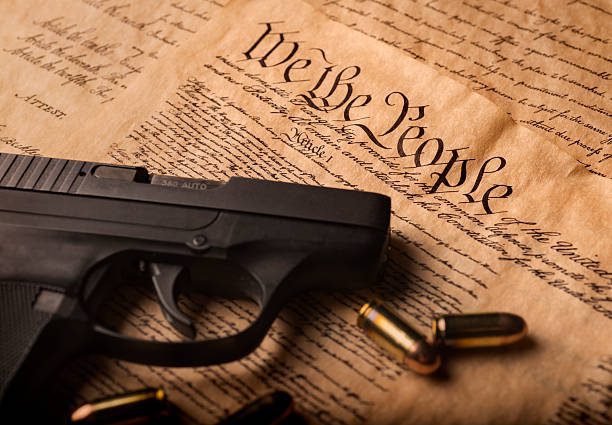
Gun shooting incidents in South Africa have once again sparked national concern following a series of deadly tavern attacks. These violent episodes have left multiple victims dead or injured, reigniting debates over firearm regulation, law enforcement effectiveness, and the safety of public spaces.
Experts warn that the persistence of gun shooting incidents reflects systemic issues in both firearm control and community security, putting ordinary citizens at risk in everyday venues.
Recent Tavern Gun Shooting Incidents
In the past few weeks, several taverns across different provinces became scenes of deadly gun shooting incidents. Police reports confirmed that firearms—both legal and illegal—were used in all attacks.
The shootings occurred during peak hours, when taverns were crowded, increasing the number of casualties and the overall impact on local communities. Investigations are ongoing to identify suspects and trace the origins of the firearms used.
Why Taverns Are Frequent Sites of Gun Shooting
Criminologists explain that taverns are particularly vulnerable to gun shooting incidents due to several factors:
- Alcohol consumption, which lowers inhibitions and escalates conflicts
- Crowded spaces, increasing the risk of mass casualties
- Limited or ineffective security measures
These conditions make taverns hotspots for impulsive and deadly violence, highlighting the intersection between social venues and firearm misuse.
National Homicide Rates and Gun Shooting
South Africa continues to face one of the highest homicide rates in the world. Firearms play a central role in many of these murders, with gun shooting incidents being a major contributor to overall violent crime.
Public safety advocates argue that addressing gun shooting incidents is critical for reducing national homicide rates and restoring public confidence in safety.
Government and Police Response
The South African Police Service has stepped up operations targeting illegal firearms and high-risk areas following the rise in gun shooting incidents. Measures include:
- Intelligence-driven operations to recover illegal weapons
- Firearm amnesty programs encouraging surrender of unlicensed guns
- Increased police presence in taverns and other public hotspots
Authorities emphasize that these efforts aim to prevent further attacks, although experts note that systemic reforms are required to tackle the root causes effectively.
Community Impact of Gun Shooting
The effects of gun shooting incidents extend beyond immediate victims. Communities affected report:
- Fear of attending social gatherings
- Economic disruption, especially for tavern owners and local businesses
- Psychological trauma among witnesses and families
Social workers warn that repeated exposure to gun shooting normalizes fear and violence, creating long-term social and mental health challenges.
Economic Costs of Gun Shooting
Gun shooting incidents also carry significant economic consequences:
- Reduced business and tourism in affected neighborhoods
- Increased spending on private security
- Additional burden on healthcare systems for trauma care
These economic pressures exacerbate inequality and reduce opportunities in already vulnerable communities.
The Role of Illegal Firearms
Illegal firearms are a major driver of gun shooting incidents in South Africa. Many originate from:
- Theft from police and military stockpiles
- Smuggling operations across borders
- Corruption or lapses in firearm licensing
Experts emphasize that controlling illegal firearms is essential to reducing gun shooting incidents and making communities safer.
Public Reaction and Advocacy
The recent gun shooting incidents have sparked widespread public outrage. Social media, community leaders, and advocacy groups have called for:
- Stricter firearm control and enforcement
- Safer public spaces
- Better accountability for law enforcement
Local organizations are also pushing for proactive violence prevention programs, emphasizing community involvement alongside government action.
Policy Recommendations
Experts suggest a multifaceted approach to addressing gun shooting incidents:
- Strengthening firearm legislation and its enforcement
- Expanding community policing and surveillance programs
- Tracing and confiscating illegal firearms
- Providing education and intervention programs for youth
Sustainable reduction in gun shooting incidents requires coordinated action from both government authorities and civil society.
What Happens Next?
Investigations into recent tavern gun shooting incidents are ongoing, with authorities expected to release updates. Meanwhile, communities and advocacy groups are pressing for immediate action on firearm regulation and public safety initiatives.
Effective measures could reduce the frequency of gun shooting incidents, restore trust in law enforcement, and make public venues safer for all citizens.
Why Gun Shooting Matters Beyond Crime Rates
Gun shooting incidents affect public health, social cohesion, and local economies. Each incident causes trauma, fear, and disruption, emphasizing the need for comprehensive preventive strategies rather than reactive responses.
Addressing gun shooting incidents is central to protecting citizens and fostering a sense of security in communities nationwide.
Conclusion
The surge in gun shooting incidents in South Africa following tavern attacks highlights persistent challenges in firearm control and public safety. Comprehensive strategies—including stricter gun laws, enforcement reforms, and community engagement—are essential to curb violence, protect citizens, and restore public confidence in everyday safety.