
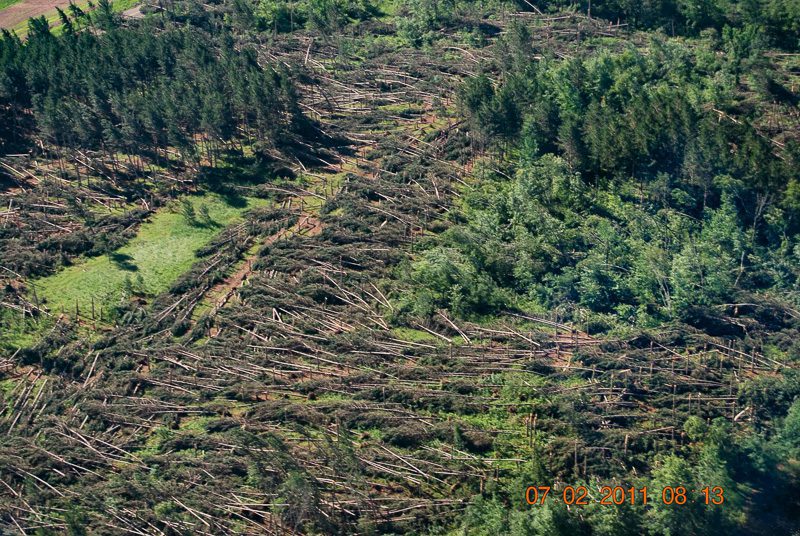
Severe storms are forecast to impact large parts of South Africa’s Northern and Western Cape, prompting the South African Weather Service (SAWS) to issue multiple impact-based alerts. The warnings highlight the risk of heavy downpours, hail, damaging winds, lightning, and elevated fire danger, with potential consequences for public safety, infrastructure, agriculture, and transport. Authorities are urging residents to prepare for rapidly changing conditions and possible disruptions.
What Is Driving the Severe Storms?
Meteorologists say the severe storms are being driven by a combination of atmospheric instability, moisture influx, and shifting pressure systems over southern Africa.
These conditions create an environment where thunderstorms can intensify quickly, producing:
- Sudden heavy rainfall
- Strong wind gusts
- Hail formation
- Frequent lightning activity
SAWS has noted that storms may develop with little warning, increasing the risk of localised damage.
Regions Under Severe Storm Alerts
Northern Cape
The Northern Cape faces the highest threat from severe storms, particularly inland areas.
Potential impacts include:
- Flash flooding in low-lying regions
- Damage to crops and farming equipment
- Disruption to rural roads and transport routes
- Risk to livestock during lightning storms
Farmers have been advised to move animals to safer areas where possible.
Western Cape
In the Western Cape, the focus is on damaging winds and fire-related risks, especially in dry inland zones and along exposed coastal areas.
Authorities warn that strong winds could:
- Down trees and power lines
- Spread fires rapidly
- Create hazardous driving conditions
SAWS Issues Impact-Based Warnings
SAWS emphasised that its warnings are impact-based, meaning they focus on the potential consequences rather than just weather measurements.
“We urge the public to take severe storm warnings seriously, as these conditions can escalate rapidly and pose real dangers,” SAWS said in a statement.
The service added that warnings may be upgraded if conditions worsen.
Infrastructure and Service Disruptions Expected
Severe storms often place strain on essential services.
Disaster management officials have warned of possible:
- Power outages caused by wind damage
- Temporary road closures due to flooding
- Delays to air and sea travel
- Disruptions to water and communication services
Municipal emergency teams have been placed on alert in high-risk areas.
Fire Danger Compounds Storm Risks
While storms bring rain, strong winds combined with dry vegetation have increased fire danger levels in parts of the Western Cape.
Fire authorities caution that:
- Fires can ignite and spread rapidly
- Wind shifts can trap firefighting crews
- Smoke can reduce visibility on major routes
Residents are urged to avoid activities that could spark fires.
Impact on Agriculture and Rural Communities
Agriculture is particularly vulnerable during periods of severe storms.
Risks include:
- Hail damage to crops
- Soil erosion from intense rainfall
- Livestock losses due to exposure
Agricultural organisations have advised farmers to monitor forecasts closely and take protective measures where possible.
Public Reaction and Community Preparedness
Residents across the Cape provinces have responded by sharing local weather updates on social media, while community groups have circulated safety advice.
Emergency services encourage communities to:
- Secure loose outdoor items
- Avoid crossing flooded roads
- Remain indoors during thunderstorms
- Keep emergency supplies accessible
Preparedness remains critical to reducing storm-related harm.
Safety Advice for Residents
Authorities recommend the following precautions during severe storms:
- Postpone travel unless essential
- Stay away from rivers and drainage channels
- Unplug sensitive electrical appliances
- Follow official SAWS updates
Parents and schools are advised to remain cautious during peak storm periods.
What Happens Next?
SAWS will continue to monitor the weather system and issue updates as conditions evolve.
The severe storms may persist over several days, with changing impacts across different districts. Disaster management teams will remain on standby until the threat subsides.
Conclusion
The severe storms forecast for the Northern and Western Cape have prompted urgent warnings from SAWS, highlighting the growing risks posed by extreme weather. As heavy rain, hail, damaging winds, and fire danger threaten communities, officials stress that vigilance, preparation, and adherence to official alerts are essential to staying safe during this volatile weather period.